
How Much Does Solar Cost in 2026? A Complete Guide to Home Solar Pricing
First, the bottom line: As of early 2026, the gross installed cost of a typical 7–8 kW home solar system in the United States generally falls between $21,000 and $24,000, before incentives. However, thanks to the 30% Federal Tax Credit (ITC) and local performance-based incentives, your actual out-of-pocket cost can drop to under $15,000. Many households typically reach the break-even point within 6 to 8 years, after which the electricity generated is essentially free.

Where does the money go? Detailed breakdown of costs:
A solar system quote isn’t just for a few panels. It mainly includes three parts:
- Equipment costs: This covers panels, smart hybrid inverters, and mounting hardware. While TOPCon technology is now the industry standard, choosing high-tier modules like HighJoule’s N-type series ensures better durability and energy yield, providing a higher ROI over 25 years.
- Installation costs: This includes the costs of professional teams for site surveys, design, permits, installation, and commissioning. If the roof is particularly steep or made of special materials (such as tile roofs), installation will be more difficult, and the cost will increase.
- Other miscellaneous fees: This includes company operating costs, sales expenses, and government grid connection permit fees, etc. This part is often overlooked, but it actually accounts for a significant portion of the cost.
Why do quotes vary from house to house? Factors affecting the price:
The quote for your neighbor might be completely different from yours, mainly depending on the following factors:
- The size of the system you need: This directly depends on how much electricity your household uses annually. To be completely self-sufficient with solar power, you’ll need a larger system, which naturally costs more.
- Your roof: A flat or sloped roof facing south, without obstructions and with a large area, is the “ideal type” for installation, resulting in the lowest cost.
- Geography & Local Markets: Sunshine intensity and labor rates vary by state. For example, the residential PV system cost in California may be higher due to specialized permitting, while states like Texas offer different pricing structures.
- What equipment you choose: Just like buying a car with different trim levels, solar panels have different brands, efficiencies, and inverter types (string inverters with optimizers, micro-inverters, or hybrid inverters).
How to save money? Make full use of these subsidies and incentives.
When calculating costs, be sure to calculate the net cost after subsidies. The main ways to save money are:
- The 30% Federal Tax Credit (ITC): This is your biggest saver. Under the Inflation Reduction Act (IRA), this 30% credit is locked in through 2032.
- State & Utility Rebates: Depending on your utility provider, you may qualify for “Solar Renewable Energy Certificates” (SRECs) or instant cash rebates.
- Selling electricity to the grid: This is commonly referred to as “net metering.” Depending on your state, you may benefit from Net Metering 3.0 or similar billing structures.
- Flexible payment methods: Consider “green loans” or “photovoltaic loans” offered in cooperation with banks.
Let’s do the math: How long will it take to break even?
Real-World ROI: A California Case Study
Let’s look at the math for a typical family in a high-cost area like California:
- Total system price (before subsidies): Assume $22,500 for a 7.5 kW system.
- Federal Tax Credit (30% ITC): Directly reduces your tax liability by $6,750.
- Local Incentives/Rebates: Assume an additional $1,000.
- Actual Expenditure: $22,500 – $6,750 – $1,000 = $14,750.
- Annual Electricity Bill Savings: 11,250 kWh * $0.30/kWh = $3,375.
- Simple Payback Period: $14,750 ÷ $3,375/year ≈ 4.4 years. (Note: A 6 to 9-year range is more realistic considering financing and NEM 3.0 export credits.)
New technological trends: More than just power generation, it’s a smart energy management system.
Modern solar energy systems are becoming increasingly intelligent:
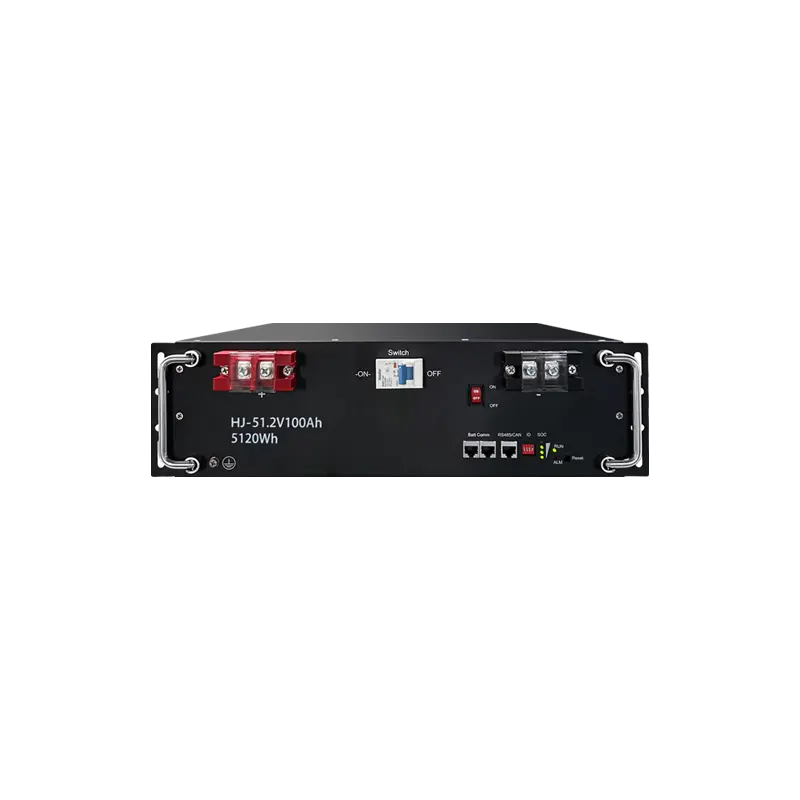
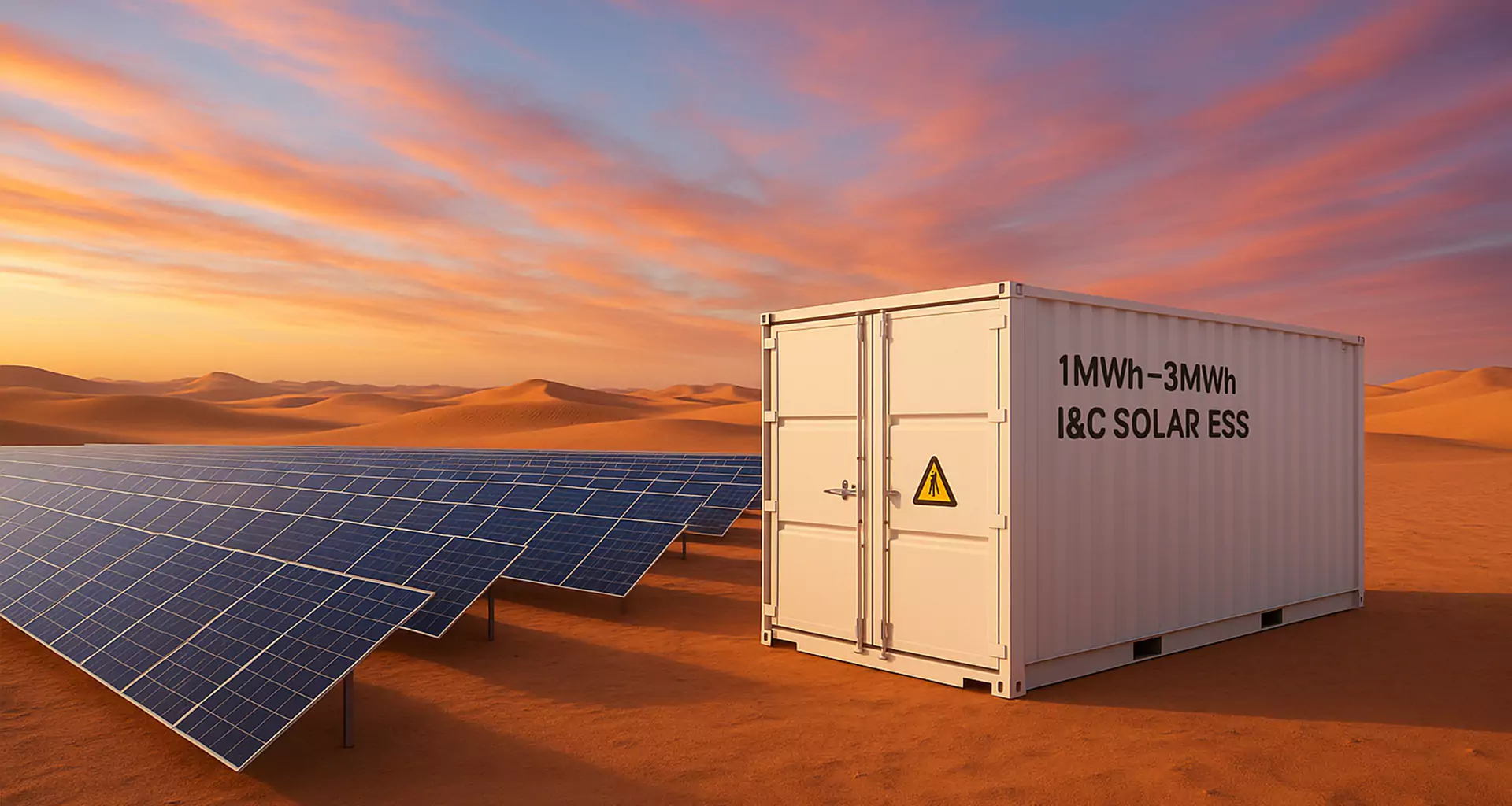
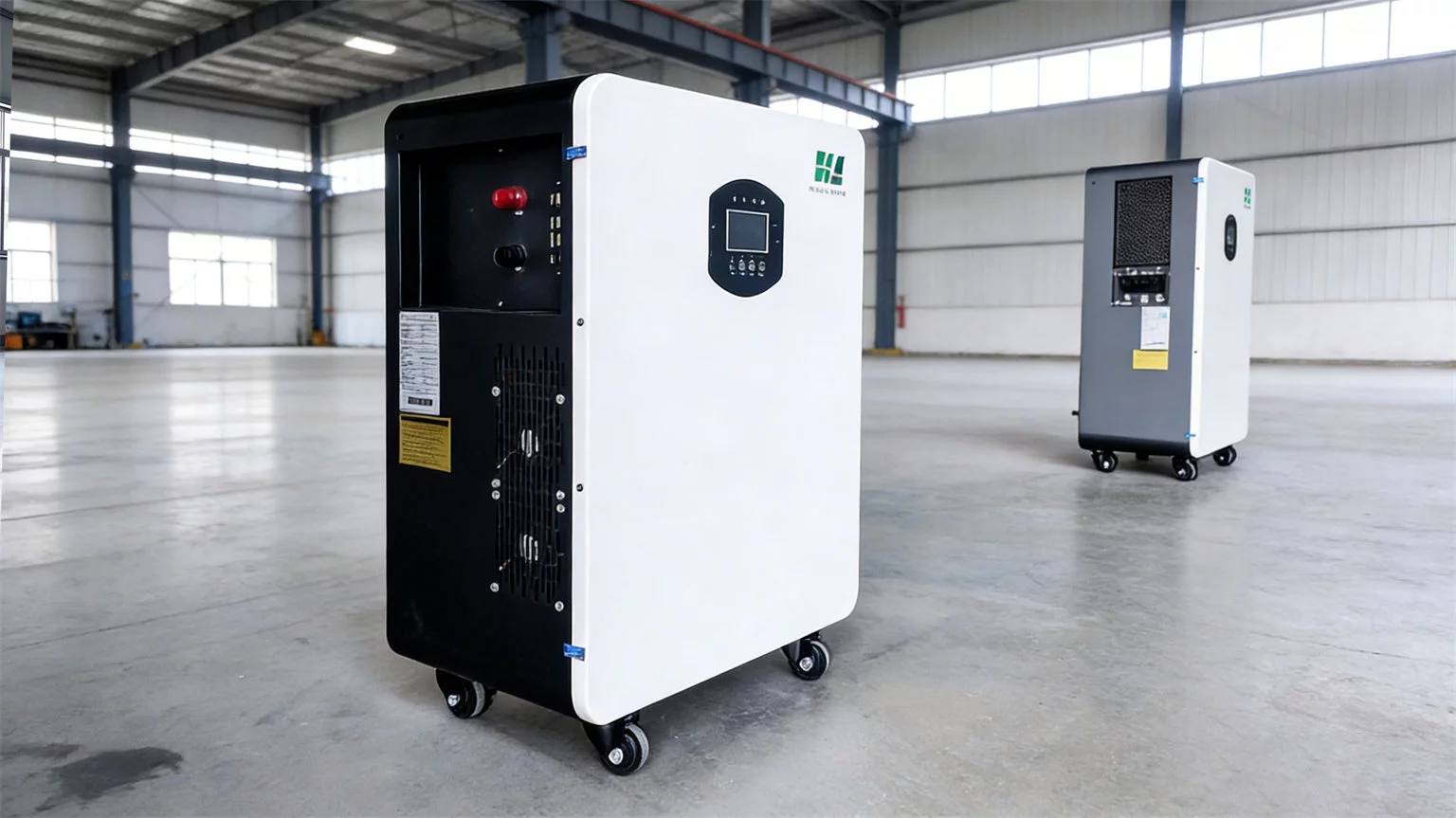
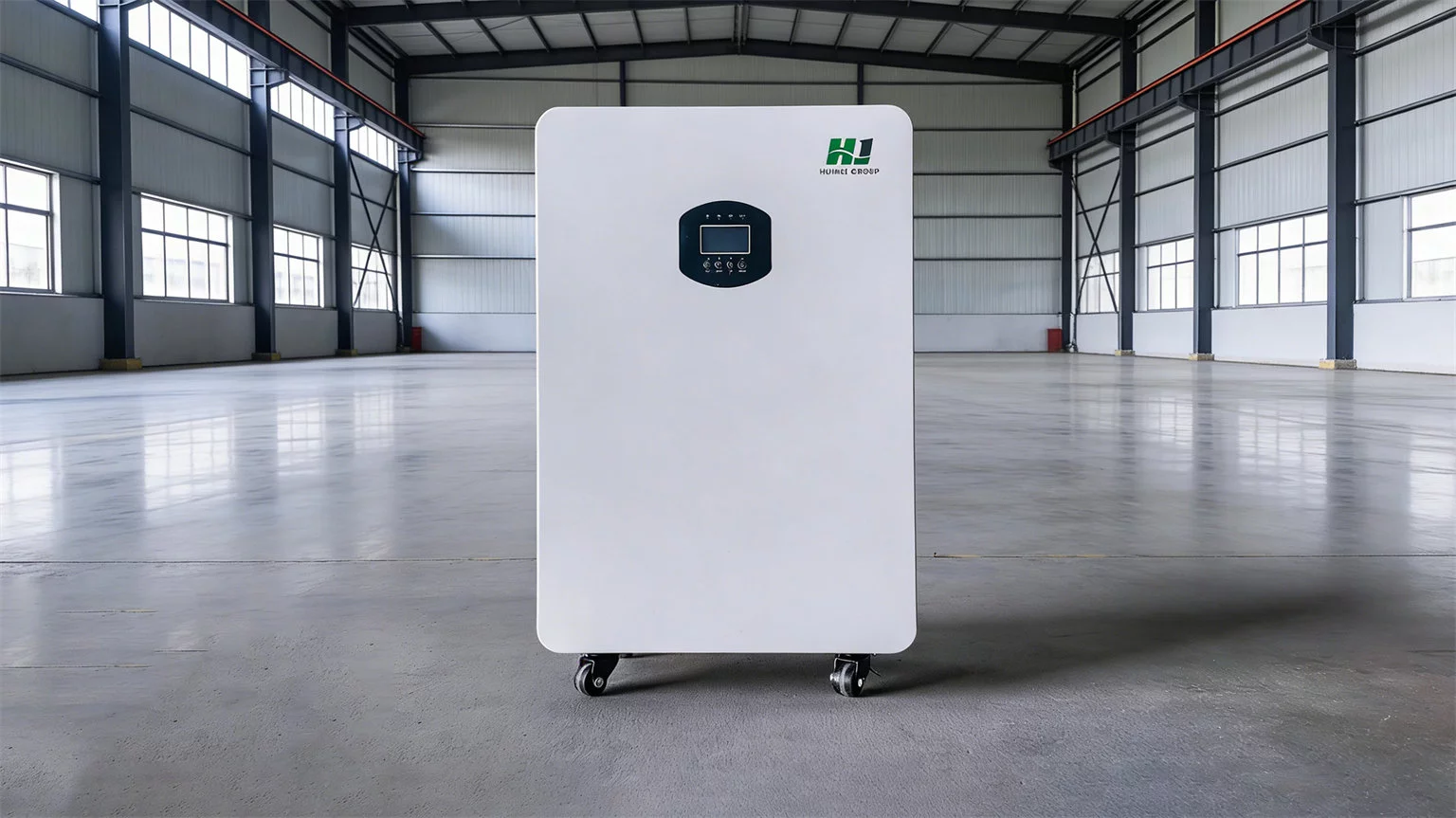
- Integrated solar and storage: Equipping the solar system with a “large power bank” (energy storage battery) improves energy independence.
- Rapid technological advancements: Solar panel technology has upgraded from standard PERC to TOPCon and HJT (heterojunction) technologies.
How to choose equipment? Understanding the Differences at a Glance
| Comparison Item | Standard PERC Panels | TOPCon Panels | HJT (Heterojunction) Panels |
|---|---|---|---|
| Power Generation Efficiency | Medium (approx. 21%-22%) | Higher (approx. 22.5%-23.5%) | High (approx. 23%-24.5%) |
| High-Temperature Performance | Standard | Enhanced | Excellent |
| Long-Term Degradation | Approx. 0.45% annually | Lower annually | Extremely low |
| Price | Budget-Friendly | Mid-Range (Best Value) | Premium |
| Suitable For | Limited budget | Most households | Small roof area |
How to Choose an Installation Company? Consider these points to avoid problems:
- Look at qualifications and case studies: Check for proper installation qualifications and years in business.
- Look at the design and plan: A reliable company provides a professional shading analysis and clear power generation estimates.
- Look at the contract and warranty: Ensure coverage for equipment, power generation, and installation.
Several Questions You Might Ask
Q: Will the equipment break down soon after the payback period?
A: No. The design lifespan of most mainstream solar panels is 25-30 years.
Q: Will I still have electricity on rainy days and at night after installing solar panels?
A: Electricity generation is reduced on cloudy days and zero at night. Most households choose a “grid-connected” system to automatically switch to utility power.
Q: Is maintenance troublesome? Are the costs high?
A: Routine maintenance is minimal, though string inverters may require replacement around year 10–15.
Q: If I sell my house in the future, will the solar system be a plus?
A: Usually, yes. It adds value to the property as an asset that provides low-cost electricity.
Overall
Ultimately, installing a home solar system represents a strategic long-term investment in energy independence. Going solar in 2026 isn’t just a tech trend; it’s a hedge against volatile energy markets. As long as you do your research and choose the right products and service providers, it can become a long-term energy asset that consistently generates measurable financial returns for decades.
Find Your Solar + Battery Storage Specialist Now!
* Fill out this form and our experts will help you find the perfect solar storage solution for your home or business.