
How to Use Levelized Cost of Energy (LCOE) to Evaluate Solar Investment Returns
With grid prices soaring and reliability wavering, how can businesses lock in a predictable, long-term energy cost? The answer lies not in short-term fixes, but in a fundamental metric: the Levelized Cost of Energy (LCOE).
Unlike simply comparing upfront costs, LCOE and the cost of electricity from solar provide a standardized, comparable analytical framework for evaluating the economic benefits of solar systems, grid power, and hybrid energy solutions over their complete operating life. This article will delve into the calculation logic of LCOE, its core value in solar investment decisions, and how it directly relates to actual return on investment.

What is LCOE?
The Levelized Cost of Energy represents the average cost per kilowatt-hour of electricity produced by a power system over its entire lifespan.
Core Definition
LCOE aims to answer a direct question:
“If the total lifecycle cost of a power system is spread across all the electricity it produces, what is the actual normalized cost of energy per kilowatt-hour?”
This makes LCOE particularly useful in the following comparisons:
- Solar power vs. grid electricity
- Solar + energy storage vs. diesel generators
- Different solar system designs or equipment options
Simplified Calculation Formula
LCOE = (Total Lifetime Costs) / (Total Lifetime Electricity Generation)
Where, the total lifecycle cost includes:
- Capital expenditures
- Operating and maintenance costs
- Component replacement costs
- Financing costs and losses due to system efficiency degradation
Why is LCOE the most reliable indicator for analyzing solar returns?
Traditional investment return metrics, such as payback period or initial system cost, often fail to capture long-term performance risks. LCOE, along with lifetime energy cost analysis, addresses this shortcoming by integrating time, degradation, and actual operating factors.
Core Advantages of LCOE
- Standardized Comparison: LCOE allows for the comparison of different system sizes and technologies on an equal footing, helping investors make informed decisions.
- Covers long-term factors: Considers long-term influencing factors such as PV module degradation and inverter lifespan.
- Reflects price stability: Highlights the long-term cost stability of solar power generation.
- Complies with industry standards: Aligns with evaluation standards for utility-scale and commercial investments. According to data from the U.S. Energy Information Administration, the LCOE of utility-scale solar power continues to decline due to falling component and inverter costs.
How to Calculate Your Solar LCOE: A Practical Framework
Understanding LCOE’s importance is the first step; knowing how to estimate it for your project is the next. While a full analysis requires detailed modeling, this simplified framework reveals the core drivers.
LCOE = (Total Lifetime Costs) / (Total Lifetime Electricity Generation)
Key Inputs in a Commercial Example:
- Initial Investment (CAPEX): e.g., $150,000 for a 100-kW system.
- Annual Operating Costs (OPEX): Typically 1-2% of CAPEX (e.g., $3,000/year).
- Annual Energy Production: Depends on location and system design (e.g., 160,000 kWh).
- System Lifetime & Degradation: Assume 25 years with ~0.5% annual output decline.
- Discount Rate: Reflects your cost of capital (e.g., 5-8%).
The Outcome: Running these numbers (accounting for discounted cash flows) might yield a result like $0.065/kWh. This is your project’s normalized cost of energy—a solid number to compare against a utility rate of, say, $0.14/kWh that is likely to rise.
This exercise highlights why equipment choice matters. High-performance, durable components—like those in HighJoule’s integrated solutions—directly improve this calculation by maximizing the denominator (lifetime generation) and minimizing future costs in the numerator.
Solar vs. Grid Electricity Prices: Which is Cheaper in the Long Run?
Question: Is solar power truly cheaper in the long run?
In many regions, the answer is yes—especially in markets with high cost of electricity from solar or unstable grids.
| Energy Type | Typical LCOE Range (USD/kWh) |
|---|---|
| Commercial Grid Electricity | 0.12 – 0.30 |
| Diesel Generation | 0.25 – 0.45 |
| Utility-Scale Solar PV | 0.03 – 0.06 |
| Solar + Energy Storage System | 0.07 – 0.12 |
Data Source: International Renewable Energy Agency Renewable Energy Cost Report, Lazard Levelized Cost of Energy Analysis.
As you can see, utility-scale solar is becoming increasingly competitive, particularly in regions where electricity prices are high or the grid is less reliable. In many cases, solar power offers a significantly lower cost per kilowatt-hour compared to traditional options.
How Does Energy Storage Affect Solar LCOE?
Question: Does adding battery storage increase or decrease LCOE?
In short, both effects are possible—depending on the system design and application goals.
While adding energy storage does increase the initial investment, it also offers several key benefits:
- Extended Solar Utilization: Shifts excess daytime generation to nighttime use.
- Reduced Grid Dependence: Enhances energy self-sufficiency, particularly in off-grid or remote areas.
- Peak Shaving & Backup Power: Stores energy for use during high-cost periods and provides reliable backup during grid outages.
These advantages can significantly enhance the economics of a solar system, especially when combined with a Levelized Cost of Storage (LCOS) analysis, which assesses the cost of discharging stored energy.
To accurately assess the economics of energy storage, it’s necessary to combine LCOE with the levelized cost of storage. LCOS is a key metric specifically measuring the cost of discharging an energy storage system over its entire lifespan.
If you want to learn more about the cost components of battery energy storage and LCOS analysis methods, we have prepared a detailed guide for you: In-depth Analysis of Battery Energy Storage System Costs and LCOS.
Key Technical Parameters Affecting Solar LCOE
Question: What technical factors most influence the Levelized Cost of Energy (LCOE)?
Inverter Efficiency and Lifespan
The efficiency of the inverter directly impacts the amount of usable energy generated by the system, which in turn influences the LCOE. A higher conversion efficiency means more electricity is produced from the same amount of solar energy, which lowers the LCOE and reduces the lifetime energy cost analysis per kilowatt-hour. Additionally, a longer lifespan for inverters reduces replacement costs and extends the overall system’s productive life, further improving the economics of the solar system.
System Scale and Design
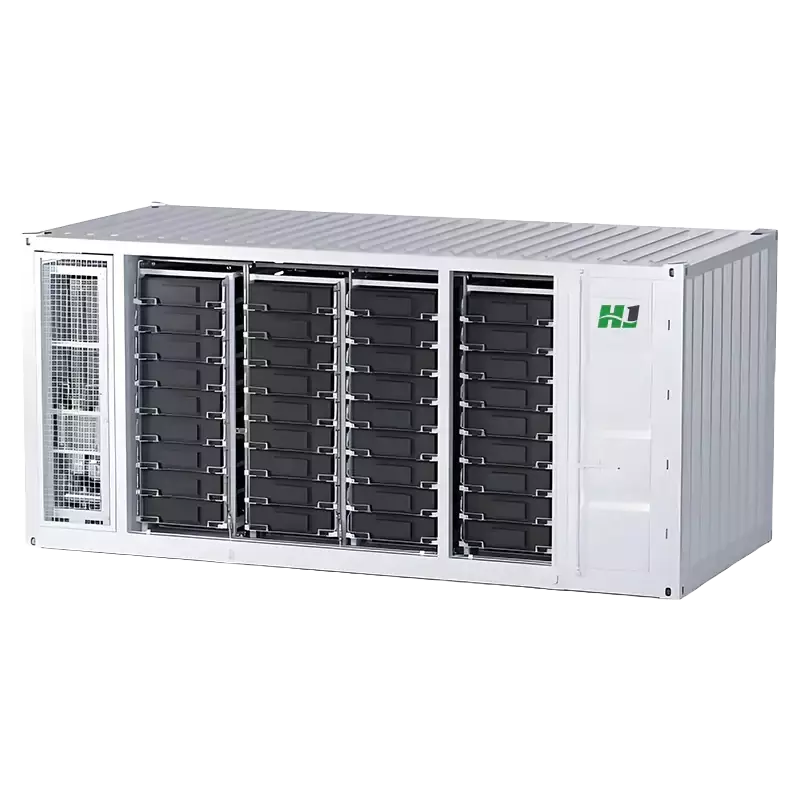
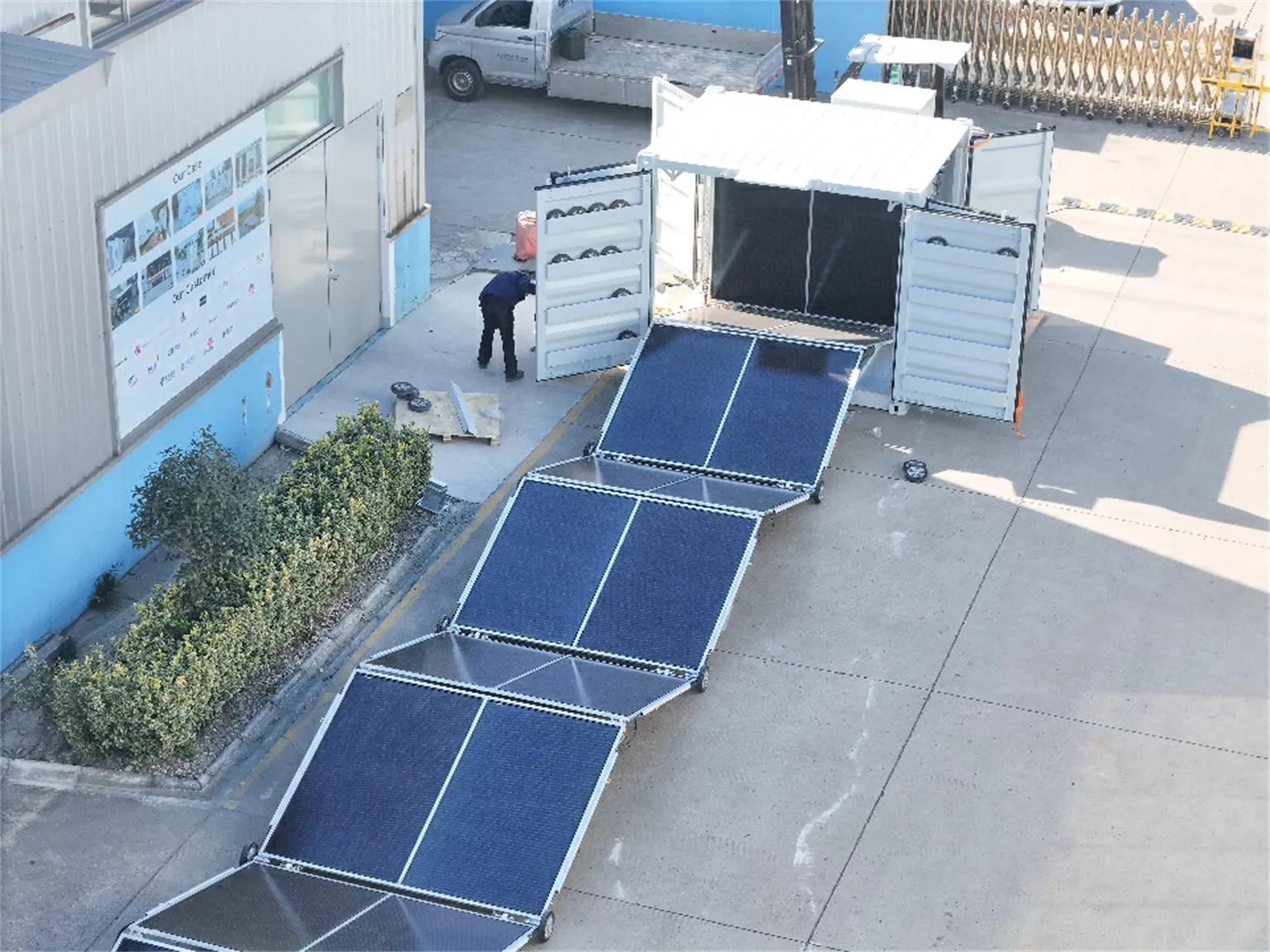
The size and design of the system play a critical role in reducing the per-unit cost of electricity. Utility-scale and commercial systems benefit from economies of scale, where the larger the system, the lower the overall cost per kilowatt-hour. In addition, integrated containerized solar and energy storage systems can significantly reduce installation time and associated costs, improving the LCOE by lowering upfront expenditures.
Degradation Rate and System Durability
Photovoltaic modules degrade over time, typically at a rate of 0.4% to 0.7% per year. This degradation means that the system will produce less electricity as it ages, which affects the LCOE. A lower degradation rate means more long-term energy production, thereby reducing the overall cost per kilowatt-hour. Furthermore, inverters typically have a lifespan of 10-15 years, and replacing or maintaining them within this period can help mitigate any negative impacts on LCOE.
- Increased Efficiency: Higher inverter efficiency improves overall system output.
- Longer Lifespan: Extended inverter life reduces replacement costs.
- Economies of Scale: Larger systems benefit from lower per-kilowatt-hour costs.
- Lower Degradation: Slower degradation rate leads to higher long-term energy output.
Commercial systems using modern, high-performance inverter platforms, such as the solar and energy storage solutions offered by HighJoule, are designed to minimize power generation losses throughout their entire lifecycle.
Application Scenarios: How to Match LCOE Analysis with Actual Needs?
Question: In which scenarios does solar LCOE provide the highest value?
Industrial and Manufacturing Facilities
High daytime power load, closely matching the solar power generation curve.
Can effectively reduce peak demand charges.
Strong predictability of return on investment.
Remote and Weak Grid Areas
Can replace expensive diesel power generation.
Provides long-term stable energy costs.
Significantly improves energy supply security and independence.
Business Parks and Data Centers
“Solar + Storage” hybrid systems provide uninterrupted power protection.
Offers a more advantageous levelized cost of energy compared to volatile grid electricity prices.
You can find solution architecture references matching the above scenarios in HighJoule’s global application cases. These cases demonstrate how to design optimal systems for different needs.
Please note: This is a reference for solution matching and does not directly refer to projects implemented by HighJoule.
LCOE and Payback Period: Which Metric Should Decision-Makers Trust?
Question: Why should investors in the later stages of decision-making focus more on LCOE?
| Indicator | Main Limitations |
|---|---|
| Payback Period | Ignores the system value after the payback period is completed |
| Internal Rate of Return | Highly sensitive to assumptions (e.g., discount rate) |
| Levelized Cost of Energy (LCOE – the resultant lifetime cost of solar electricity) | Reflects the true cost over the entire asset lifecycle |
For long-term assets like solar systems with a lifespan of 20-30 years, LCOE and the cost of electricity from solar provide greater confidence in decision-making, especially when comparing long-term grid power purchase agreements with self-built power generation projects.
The Implicit Impact of After-Sales Service on LCOE
Question: Does service quality affect LCOE?
Yes, this impact is indirect but crucial.
System downtime, maintenance delays, or critical equipment failures will reduce the total power generation over the system’s lifespan, leading to a higher actual LCOE.
Therefore, a comprehensive technical solution usually includes:
- Fast response: 24-hour technical support window.
- Long-term guarantee: Multi-year inverter and battery warranty.
- Local coverage: Regional service network.
- Intelligent operation and maintenance: Remote monitoring and diagnostic functions.
These operational guarantees collectively protect the stable delivery of power generation throughout the system’s lifetime – which is the denominator in the LCOE calculation formula and the core factor determining the cost. Therefore, robust after-sales service is a critical component of an effective lifetime energy cost analysis, directly safeguarding the projected energy yield and, consequently, a favorable LCOE.
Summary: Why LCOE Should Guide Solar Investment Decisions
Key Takeaways
- LCOE is the gold standard for evaluating the long-term economics of solar energy, providing insights that go beyond short-term cost perspectives.
- Solar LCOE is already lower than grid electricity prices in most parts of the world, highlighting its increasing economic competitiveness.
- When evaluating “photovoltaic + energy storage” systems, a comprehensive analysis combining LCOE and LCOS is essential.
- Technical design, equipment quality, and after-sales support have a substantial impact on the final LCOE by determining the system’s performance and cost profile over its entire operational lifetime.
- Investors who optimize based on LCOE, compared to those who only focus on initial investment, usually achieve more robust long-term returns.
As the global energy market evolves towards distributed and increasingly volatile pricing, in-depth analysis based on LCOE is no longer an option, but a necessary tool for making smart energy investment decisions.
Find Your Solar + Battery Storage Specialist Now!
* Fill out this form and our experts will help you find the perfect solar storage solution for your home or business.