
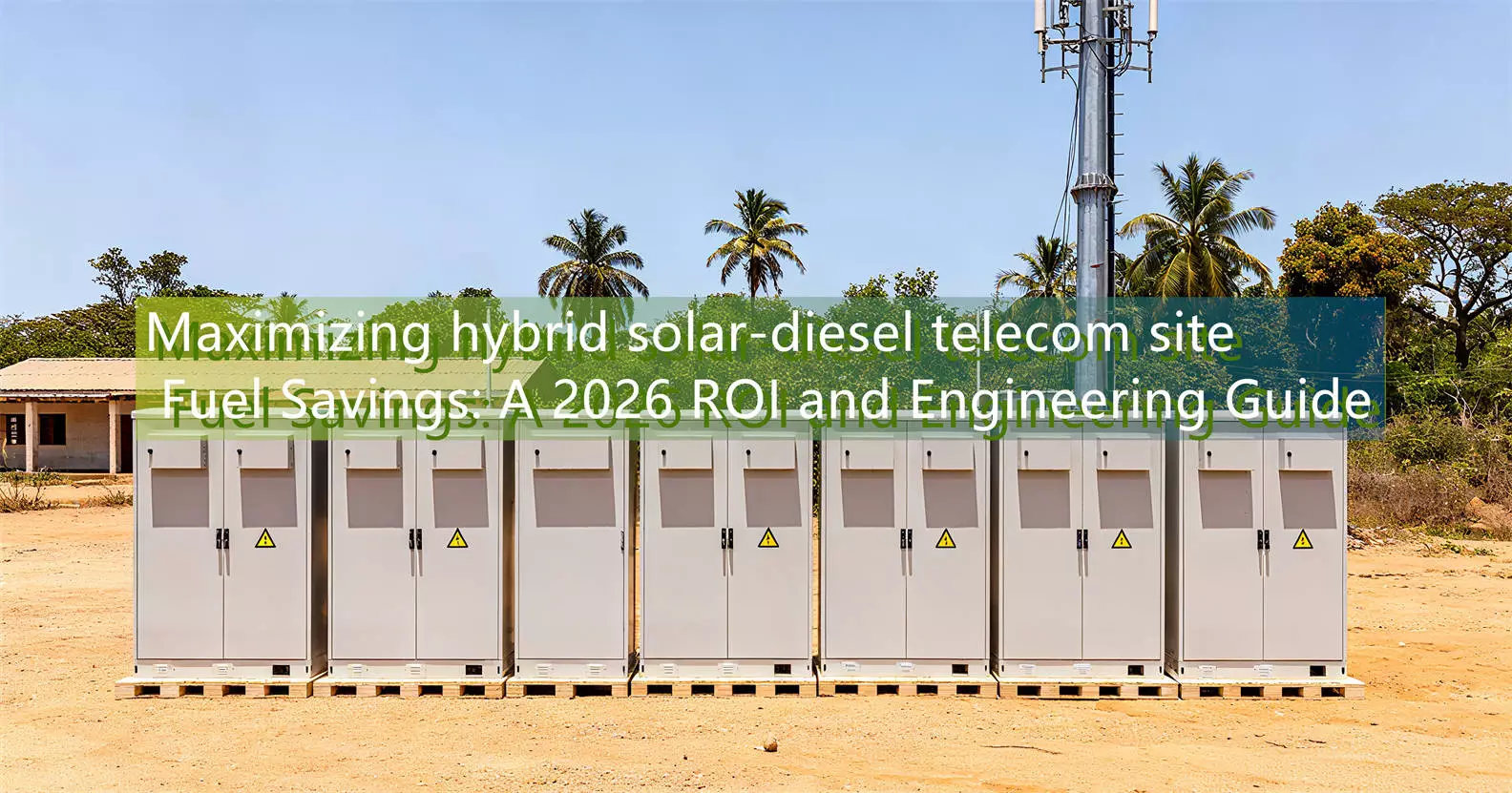
Maximizing hybrid solar-diesel telecom site Fuel Savings: A 2026 ROI and Engineering Guide
Across the high-stakes telecom corridors of Sub-Saharan Africa of South Africa, Nigeria, and East Africa, the “diesel-only” power model has shifted from standard practice to a clear financial liability. For TowerCos and MNOs operating in regions like the Gauteng province or the Lagos outskirts, operational expenditure (OpEx) is no longer just about the price of fuel—it’s about the crushing cost of logistics, rampant fuel theft, and the inefficiency of “wet stacking” caused by generators running at low loads.
Transitioning to a hybrid solar-diesel telecom site isn’t just a “green” initiative; it is a clinical move to slash fuel consumption by 40% to 75% and secure a payback period of under 36 months.
1. The “Quick Answer” for Decision Makers (2026 Benchmarks)
If you are managing infrastructure in Sub-Saharan Africa, these are the real-world metrics for a typical 2kW–6kW continuous load site:
- Diesel Savings: $5,000 – $15,000 per site/year.
- GenSet Runtime: Reduced from 24 hours to 4–6 hours.
- Service Interval: Diesel generator maintenance is extended from every 250 running hours to effectively twice per year, as runtime is slashed by up to 80%.
- Payback Period: 18–30 months in high-irradiance zones like Kenya or Northern Cape.
2. Anatomy of a High-Efficiency Hybrid Site: The “Four Pillars”
A professional-grade hybrid site requires more than just adding solar panels. It demands an integrated ecosystem where every component is optimized for fuel displacement.
A. The Solar Array (The Primary Engine)
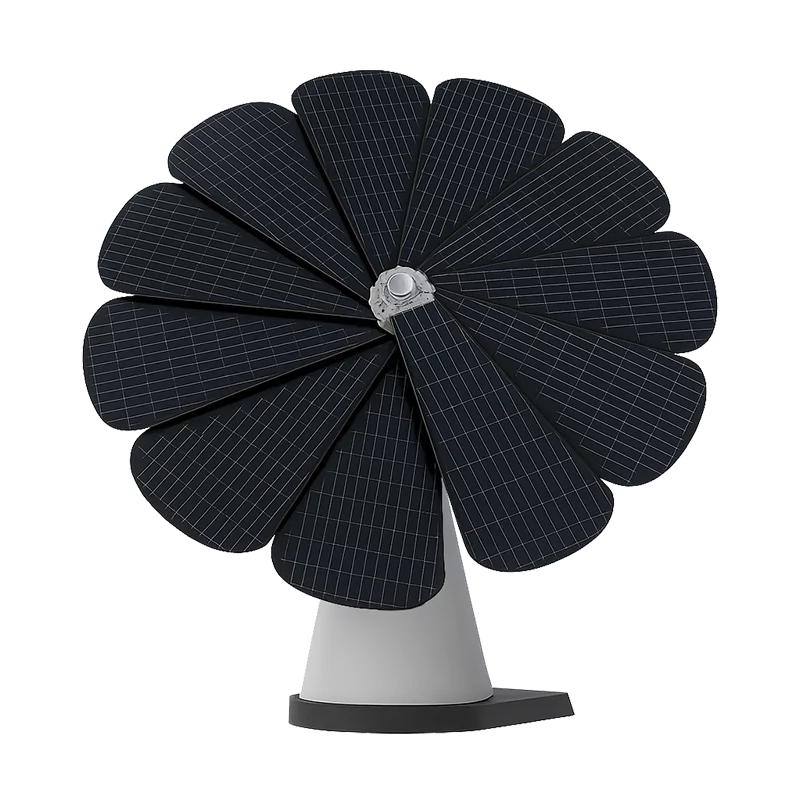
In regions like Limpopo or the Rift Valley, solar irradiance often exceeds 5.5 kWh/m²/day. We typically deploy ultra-high-efficiency N-Type TOPCon or HJT panels (670W+) sized at 1.2x to 1.5x the site load. This ensures the array can power the RAN (Radio Access Network) while simultaneously rapidly storing excess energy into the batteries.
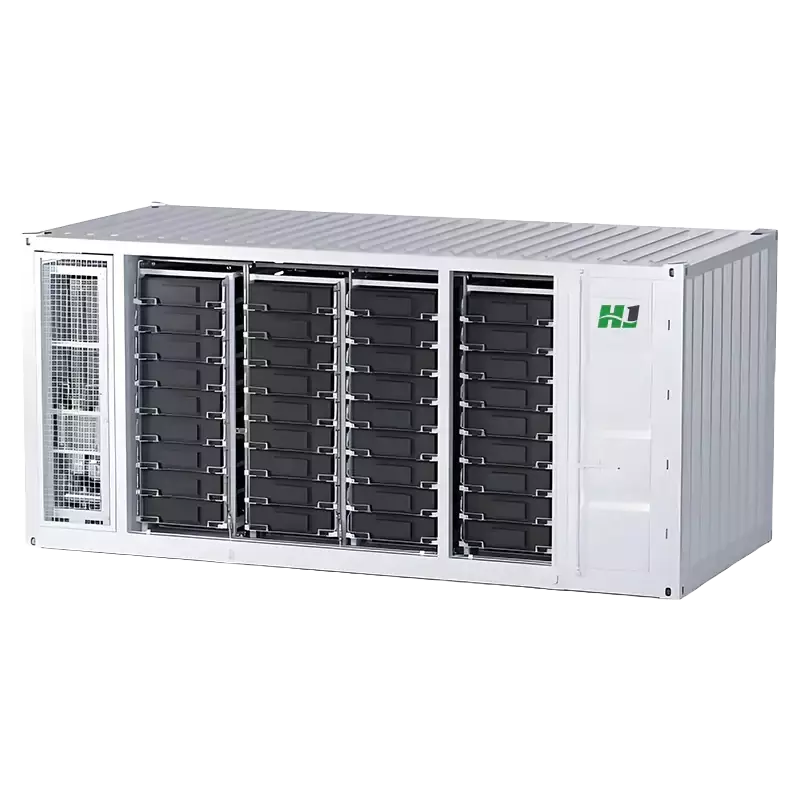
B. Lithium Iron Phosphate (LFP) Storage
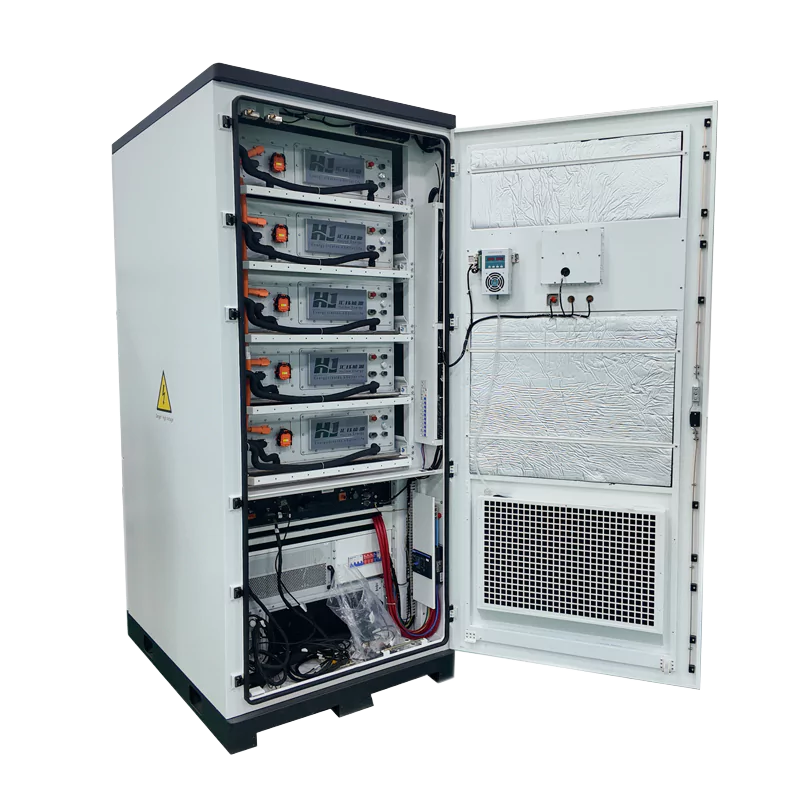
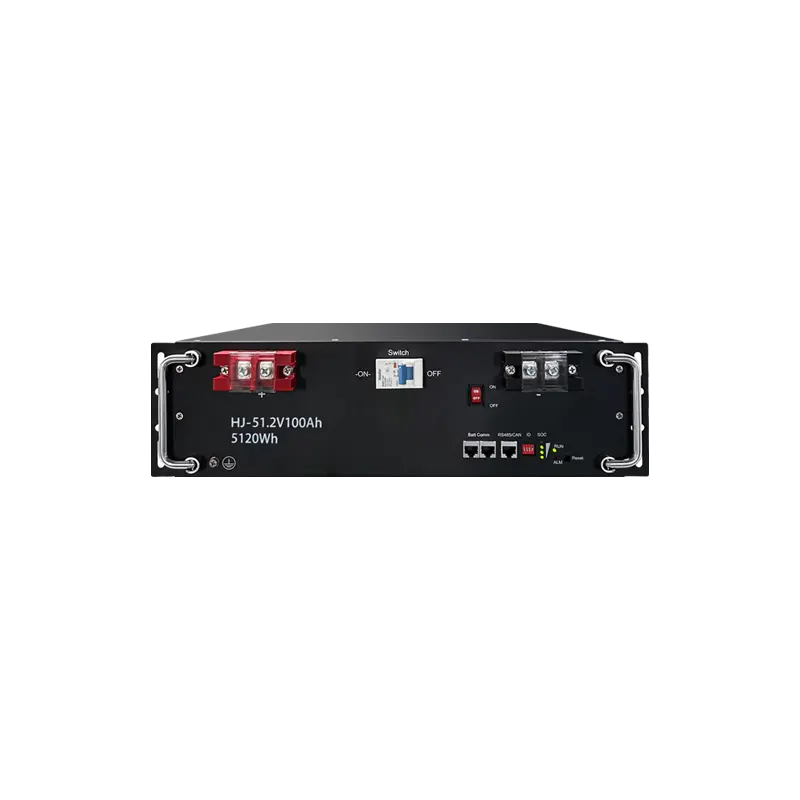
The “brain” of fuel saving. Unlike legacy lead-acid batteries that fail in the heat of Lagos or Ethiopia, High-quality Grade-A LFP cells (such as those used in HighJoule systems) offer:
- Cycle Life: 8,000+ cycles at 85% DoD (or 6,500+ cycles at 95% DoD for maximum energy utilization).
- Thermal Stability: Rated for operation up to 45°C without performance derating (with sustained discharge up to 60°C)—crucial for African bushveld environments.
C. Intelligent EMS & Hybrid Inverter
The controller is what prevents “wet stacking” (engine damage from low-load running). High-end systems force the generator to run only at its Optimal Fuel Curve (70-80% load) to rapidly top off the batteries, then shut it down completely.
D. DC-Coupled Integration
By utilizing direct DC coupling to the -48V telecom load, operators reduce the 5–10% energy loss typically associated with AC–DC conversion stages, ensuring every harvested watt reaches the equipment.
3. GEO Deep-Dive: Regional Realities & Incentives
The financial logic for hybrid solar-diesel telecom site fuel savings shifts based on local policy and geography:
- South Africa (The “Load Shedding” Hedge): With Eskom’s instability, hybrid systems act as an insurance policy. Furthermore, Section 12BA of the Income Tax Act allows for an enhanced 125% tax deduction on renewable energy assets in the first year, effectively reducing net CapEx by nearly 30%.
- Nigeria (The Security Play): With diesel prices volatile (₦1,600–₦2,400/L), reducing fuel truck visits to remote northern regions isn’t just about money—it’s about security and uptime.
- Kenya (The Solar Gold Mine): High diesel costs ($1.20+/L) and near-perfect irradiance make Kenya the fastest market for ROI, often seeing breakeven in under 2 years.
4. Technical Comparison: HighJoule vs. Standard Market Solutions
When sourcing for 2026 deployments, the “cheap” option often costs more in maintenance.
| Technical Parameter | Standard Hybrid System | HighJoule Optimized System |
|---|---|---|
| Round Trip Efficiency | < 85% | > 95% |
| Max Charge Rate | 0.5C | 1.0C/240A (Ultra-fast solar soaking) |
| Operating Temp | 0°C to 40°C | -20°C to 45°C (No Derating, sustains up to 60°C) |
| Monitoring | Basic SNMP | AI-Driven Predictive Diagnostics |
5. Application Scenarios: Where Savings Scale
Scenario 1: Off-Grid Rural Towers
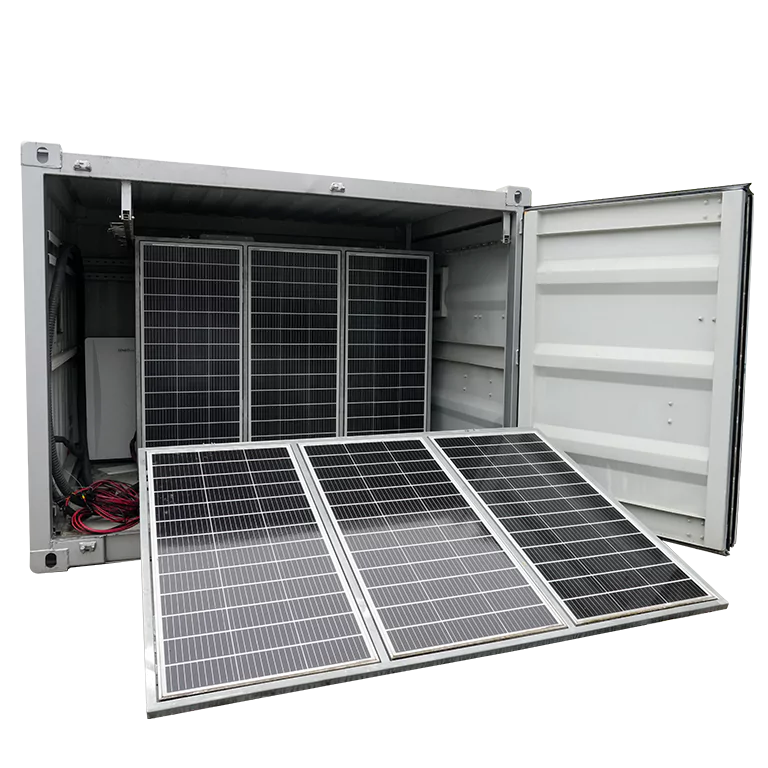
In deep rural areas where grid extension costs exceed $15,000/km, the solar-diesel hybrid is the only viable model. Well-designed hybrid systems can be engineered for 3–7 days of autonomy depending on site requirements, meaning the generator stays silent even through prolonged cloud cover.
Scenario 2: Bad-Grid Urban Sites (Lagos/Nairobi)
Frequent outages require rapid-charge capabilities. Our systems pull maximum power from the grid when available, using solar to offset peak-hour costs and keeping the generator as a last-resort backup.
Scenario 3: Remote Mining & Industrial Sites
High-availability communication is non-negotiable here. You can explore similar global project cases where hybrid integration has maintained 99.9% uptime in extreme terrains.
6. Industry Validation: The Airtel Africa Reference
Major operators such as Airtel Africa have demonstrated the effectiveness of this model across Kenya and Nigeria. By deploying hybrid solar + lithium storage, they reported fuel savings of up to 70% and a CO2 reduction of ~25 tons per site/year. This aligns with findings in the GSMA Green Power for Mobile Report, confirming that hybridization is the global standard for infrastructure sustainability.
7. Summary: Why It’s Time to Transition
The transition to hybrid solar-diesel telecom sites is an evolution from “burning cash” to “investing in assets.” By moving to a storage-first, solar-primary architecture, operators achieve:
- Direct OpEx Collapse: Up to 75% less diesel consumed.
- Operational Resilience: Protection from fuel theft and logistical disruptions.
- Future-Proofing: Modular designs that can easily scale for future 5G power demands.
Ready to insulate your network against energy price volatility?
Explore our integrated product line or view our technical application cases to see how HighJoule is powering the next generation of global connectivity.
Find Your Solar + Battery Storage Specialist Now!
* Fill out this form and our experts will help you find the perfect solar storage solution for your home or business.