
Industrial DER Solutions in 2026: Scalable Solar Containers & BESS ROI Analysis
With surging industrial electricity demand and frequent extreme weather events, traditional centralized power grids are facing unprecedented pressure. Grid connection approval processes are lengthening, with reports indicating that up to 80% of project developers have been forced to abandon their plans due to prolonged waiting times. Against this backdrop, Distributed Energy Resources (DER) have come into focus: it is not merely an “experiment,” but a core force poised to fundamentally transform power generation, storage, and consumption.
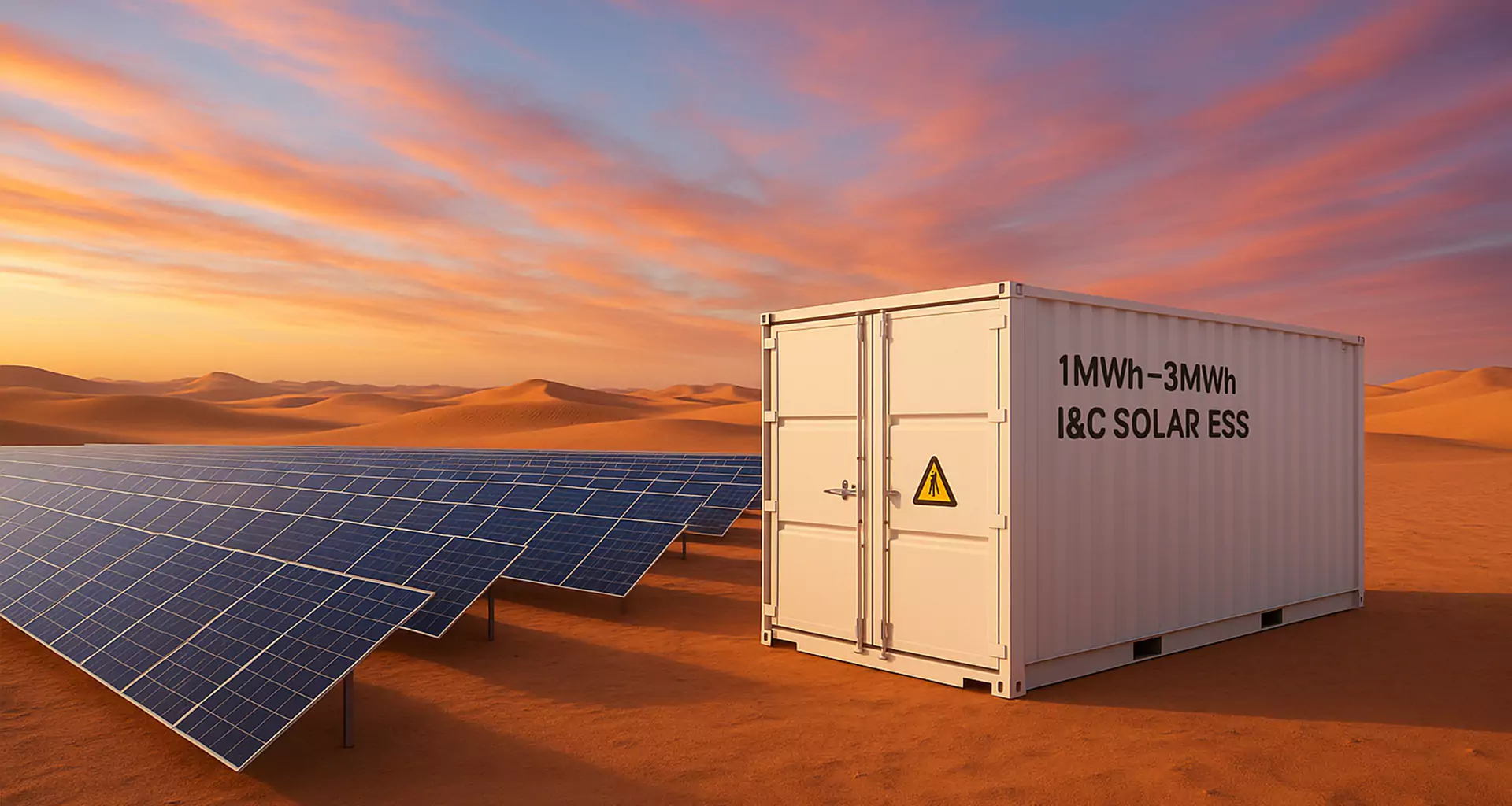
Compared to the large power plants of the 20th century, DER installs photovoltaic (PV) and energy storage devices close to users—small microgrids on rooftops, in factory areas, and even inside shipping containers—bringing greater resilience and autonomy to the power system.
What is Distributed Energy?
Distributed energy typically refers to small- to medium-scale energy systems located close to end users and connected to the distribution grid, often behind the meter. It encompasses several elements:
- Power generation equipment: including solar photovoltaic panels, wind turbines, small gas turbines, fuel cells, combined heat and power (CHP) units, etc.
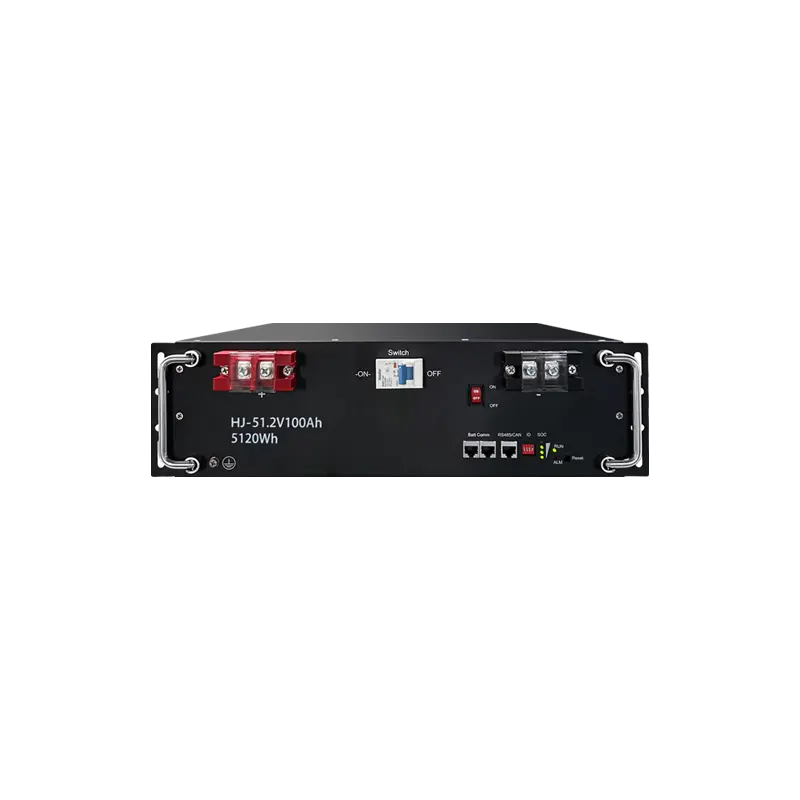
- Energy Storage Systems: Emerging technologies such as lithium-ion battery storage cabinets, containerized energy storage units, and flow batteries are used to store electrical energy when there is excess power generation and release it when needed.
- Control and Management: Smart inverters, microgrid controllers, and energy management systems (EMS) are responsible for scheduling power generation and loads, enabling functions such as power quality maintenance, seamless grid connection, and islanded operation.
It is crucial to distinguish Distributed Generation (DG) from Distributed Energy Resources (DER). While a standalone diesel generator is a legacy form of DG, a modern DER system integrates renewable generation, advanced storage, and intelligent orchestration. Imagine a solar panel combined with an energy storage cabinet and a smart controller that not only generates electricity but also provides independent power during power outages and optimizes electricity prices and load demand in real time—this is the value of distributed energy.
With the International Electrotechnical Commission (IEC) and other organizations continuously releasing new grid connection technology standards (such as the new specification in early 2026 that raised voltage measurement requirements), the uncertainty of DER system access will be further reduced, and the pace of its adoption will accelerate.
Technical Architecture: Modular Components and Systems
Commercial-grade DER systems are complex modular ecosystems, larger in scale and more technically demanding than smaller residential systems. A typical DER project typically consists of the following core components:
1. High-Density Power Generation Modules
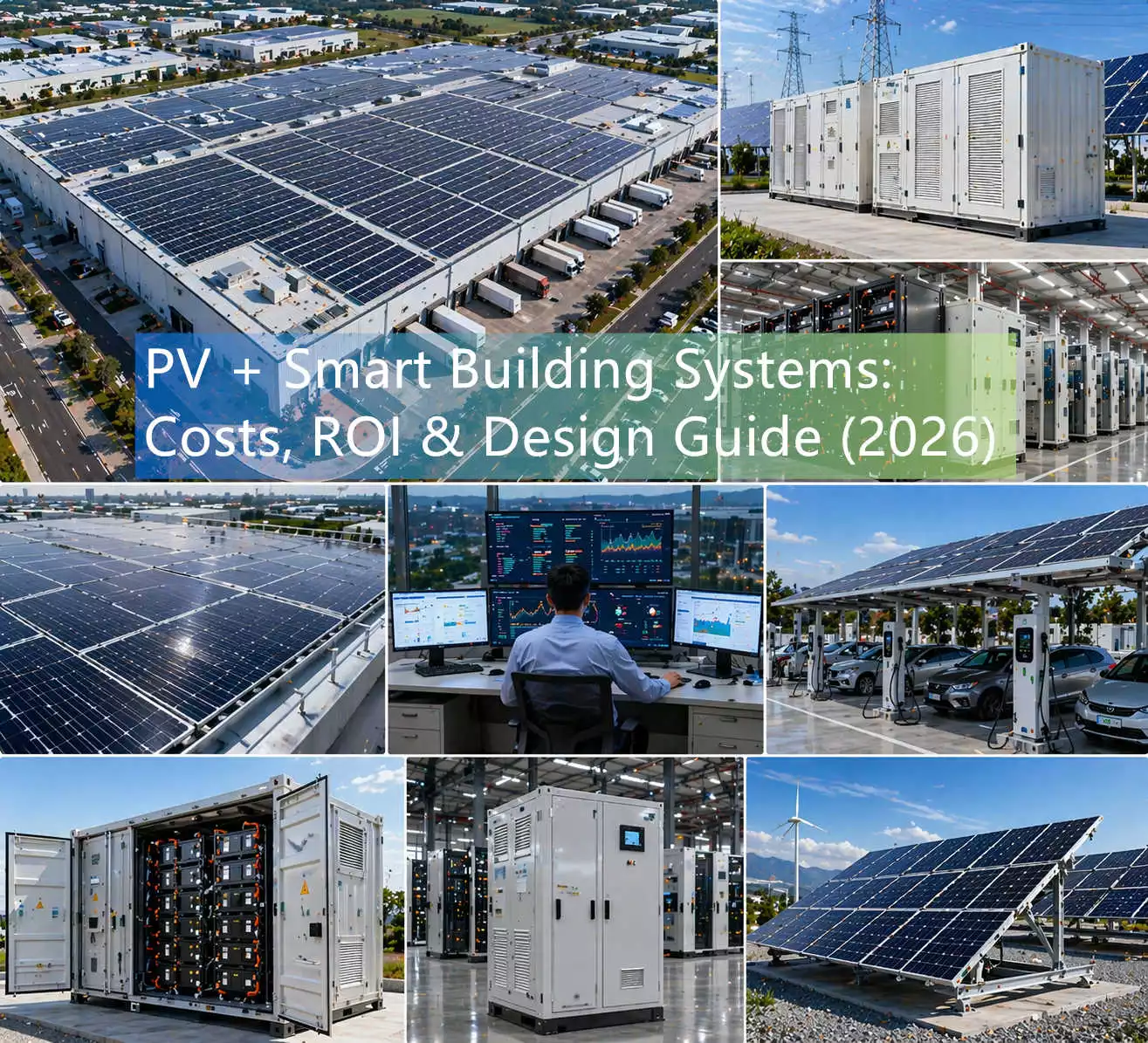
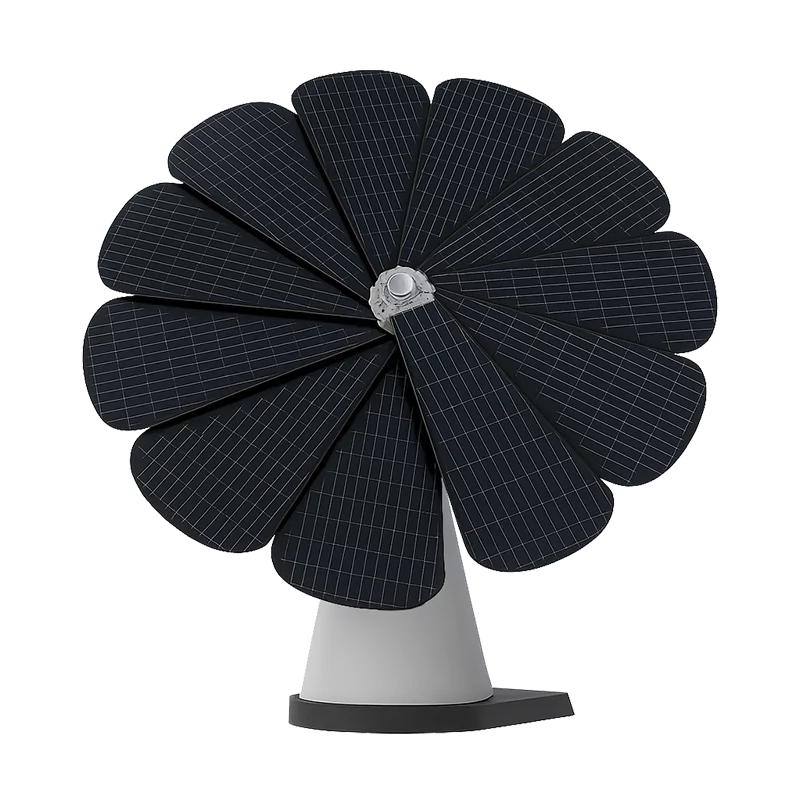
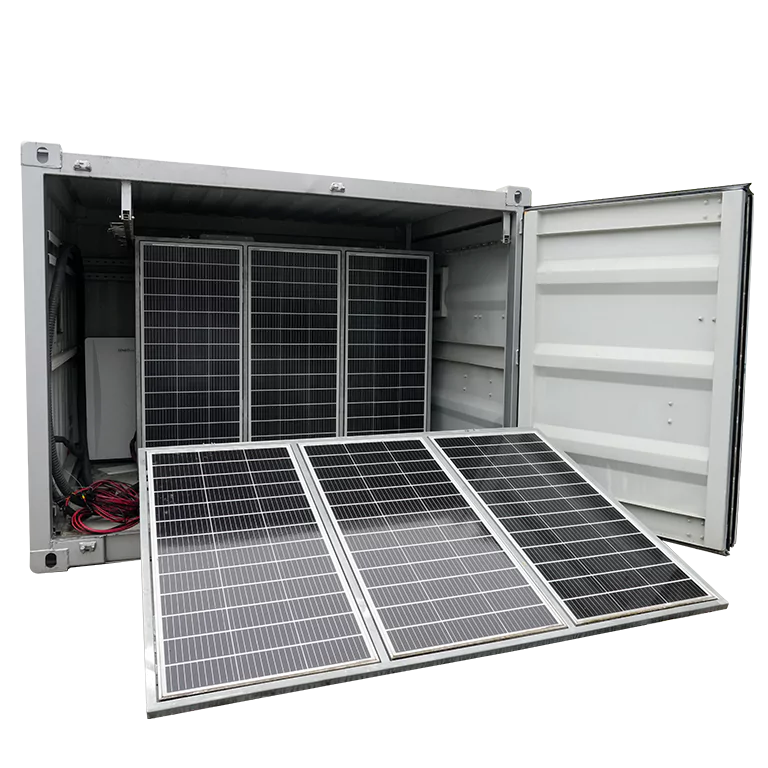
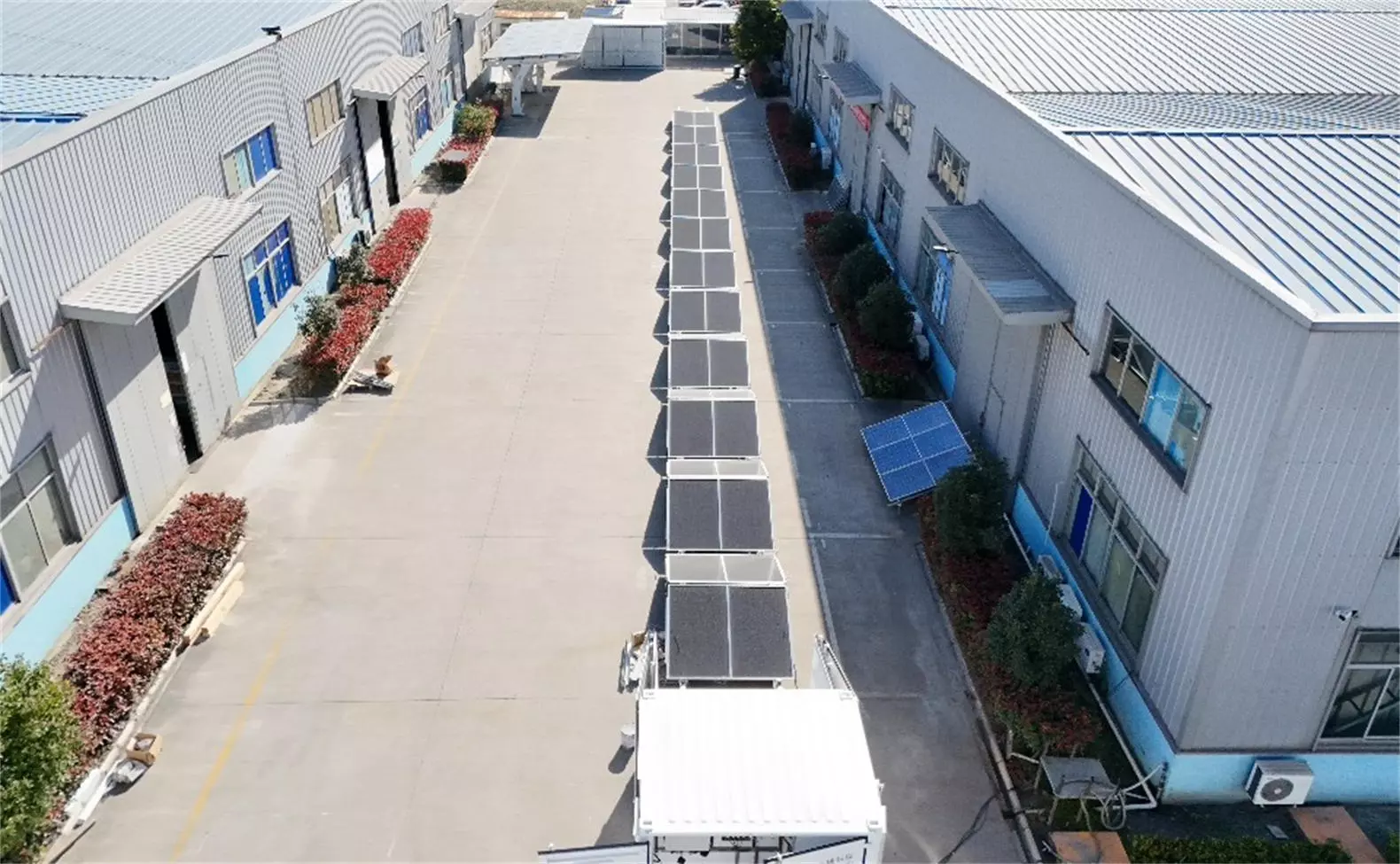
Employing high-efficiency monocrystalline silicon photovoltaic modules (such as N-type TOPCon or PERC). One rapid deployment option is the foldable photovoltaic container: a standard 10-foot solar container can deploy approximately 46 kW of photovoltaic capacity (typically using 92 high-efficiency modules), enabling seamless plug-and-play DC power supply.
2. Battery Energy Storage Systems (BESS)
Energy storage is considered the “energy heart” of DER. Currently, safer and longer-lasting lithium iron phosphate (LFP) batteries are the mainstream choice. Energy storage system forms include:
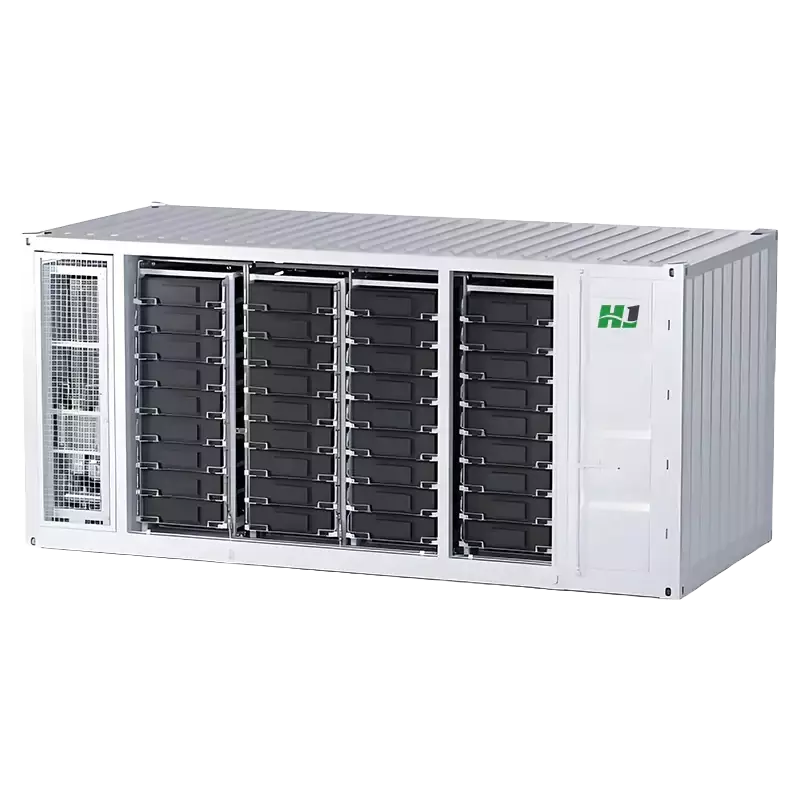
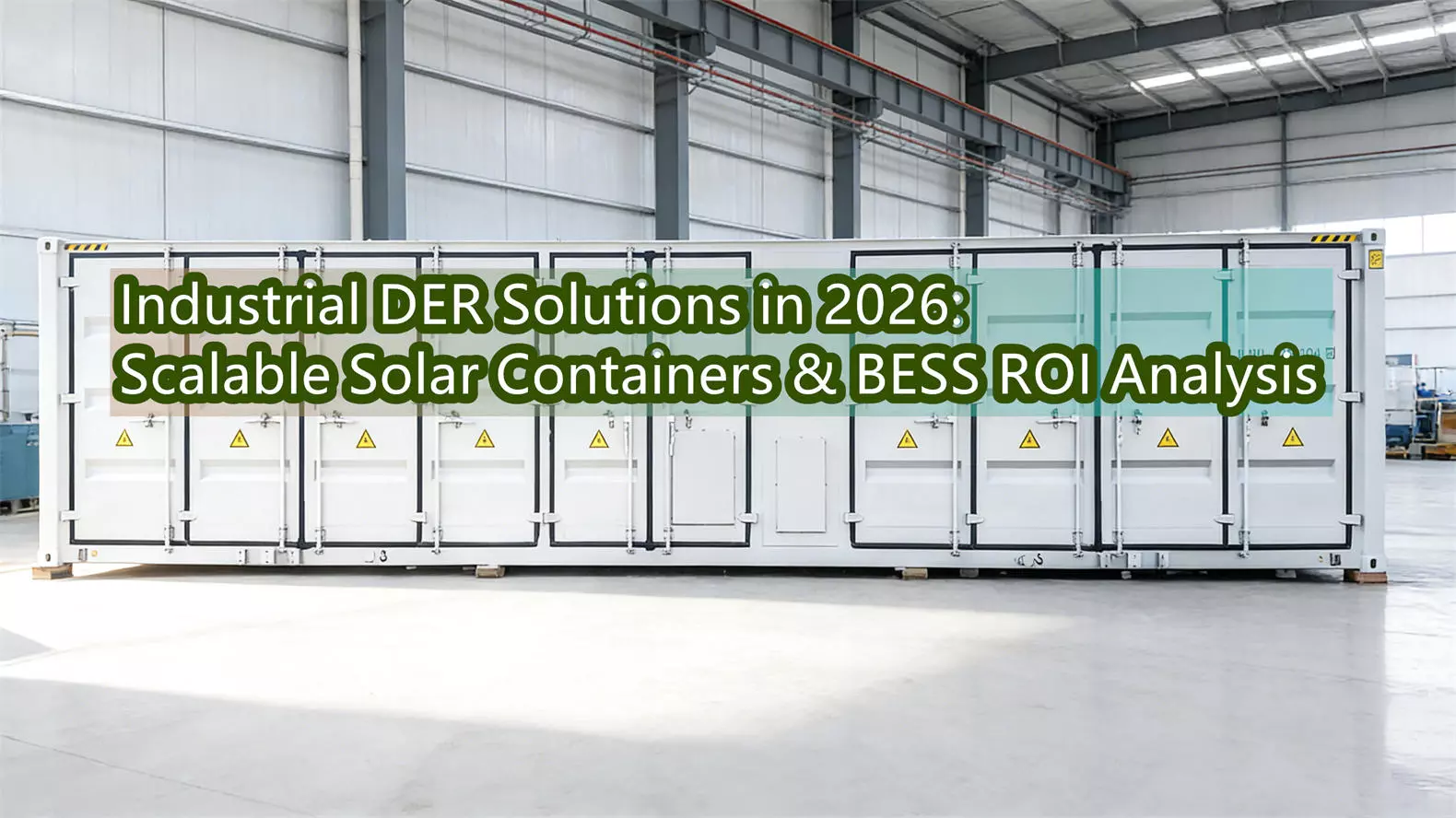
- Liquid-cooled containerized battery systems:typically offering 3.4 MWh to 7 MWh per 20-foot unit, with the capability to scale to multi-GWh utility-level clusters.
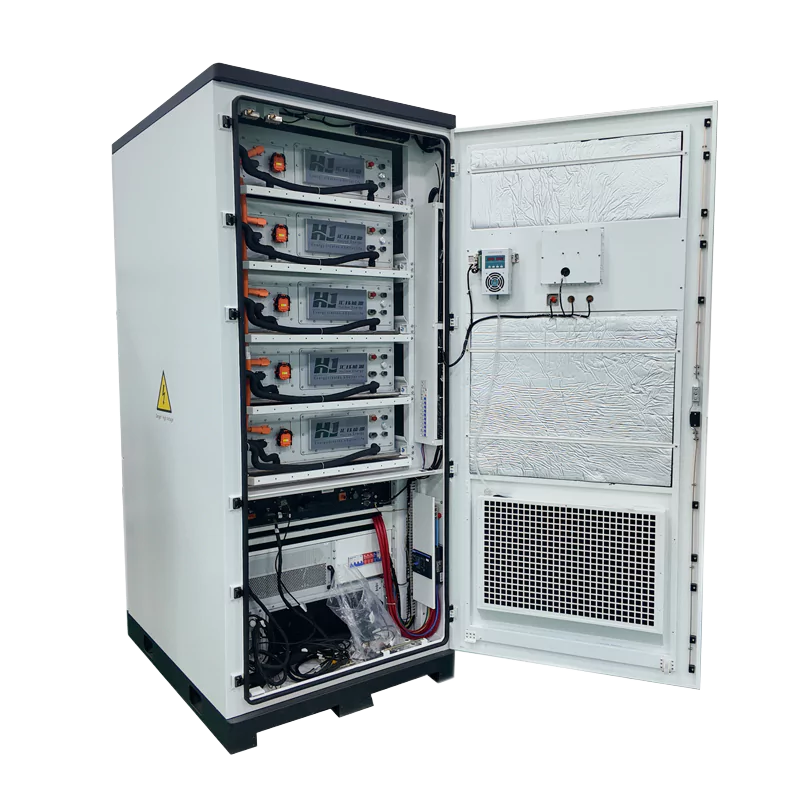
- IP65-rated outdoor modular energy storage cabinets: (typical unit 215 kWh).
3. Power Conversion and Management (PCS & EMS)
Advanced inverters and transformers convert DC power into grid-compatible AC power. Smart inverters also provide voltage/frequency support and maintain grid configuration when disconnected from the grid. The Energy Management System (EMS) is the “brain” of the entire system, using artificial intelligence algorithms to perform peak shaving and valley filling, load shifting, and real-time monitoring.
4. Ancillary Facilities
These include high-voltage and low-voltage cables, switchgear, metering instruments, and safety facilities, responsible for the interconnection and safe operation of various devices.
Note: Unlike traditional grids, modern distributed energy emphasizes gradual deployment and on-demand expansion. This “use-as-you-go” model reduces initial investment risk and allows for future upgrades.
Economics and Return on Investment
From an economic perspective, the cost of DER solutions continues to decline, offering attractive returns on investment:
| Category | Estimated Cost/Metric (2025-2026) |
|---|---|
| Turnkey BESS Cost | $120 – $150 per kWh |
| Commercial Solar + Storage (Installed) | $2.5 – $3.2 per watt |
| Battery Life Cycle | ≥ 6,000 charge-discharge cycles |
| Microgrid Construction Cost | ~$3.62 million per MW |
For commercial distributed solar + storage projects—using California as a representative market—many projects achieve an estimated payback period of approximately 6–8 years under NEM 3.0 policies, particularly when combined with demand charge management.
Regional Differences in ROI:
- California, USA: High electricity prices ($0.20–0.30/kWh) lead to a 5–12 year payback despite subsidy reductions.
- Germany: A 10kW rooftop system costs €10,000–20,000, benefiting from local subsidies.
- Nigeria: Costs are higher (1.5–3.5 million Naira), but compared to diesel generators, cost per kWh is reduced by up to 75%, with an ROI of less than 4 years.
Global Strategy: Locally Tailored DER Deployment
Different regional power environments have led to varying best practices for DER:
- North America (California, USA): Due to NEM 3.0 reform, “self-consumption with energy storage and dispatch” is the mainstream approach.
- Africa (Nigeria): High-efficiency photovoltaic containers are replacing costly diesel engines in manufacturing and logistics.
- Europe (Germany, UK): Energy density is key; 20-foot and 40-foot containerized systems are popular for EV charging stations and industrial rooftops.
Application Scenarios
- Commercial and Industrial Peak Shaving: Releasing stored power during peak hours can reduce monthly bills by 20%–40%.
- Emergency and Disaster Recovery: Foldable solar containers can be deployed within two hours to provide power to hospitals and relief facilities.
- Microgrids and Virtual Power Plants (VPP): Integrating multiple sites to participate in grid frequency regulation.
- Electric Vehicle Charging Infrastructure: Reducing reliance on the distribution network for high-speed chargers.
Real-world Case Studies
- US Campus Microgrid (Mount San Antonio College, California): In March 2026, signed a $49 million contract for solar, storage, and EV charging, using electricity savings to recoup costs.
- Remote Community Energy Integration (Western Australia): The Horizon Power Onslow project achieved 100 consecutive minutes of 100% renewable power generation.
- Rural Cooperative Innovation (North Carolina): NCEMC is using advanced EMS for real-time coordination of solar and battery resources.
Trends and Challenges
Looking ahead to 2026, several factors are shaping the landscape:
- Policy-Driven: States like New York and Illinois are setting Virtual Power Plant (VPP) targets to fill federal gaps.
- Grid Connection: Developers are adopting “off-grid first, grid-connected later” strategies to bypass long wait times.
- Data Center Demand: Data center load is projected to account for 9–12% of total U.S. electricity demand by 2030, driven by AI compute cycles.
- VPP Scaling: Market breadth is growing fast (≥30% project increase), though depth (capacity) grows at 10–15%.
Technical and Business Considerations
For companies investing in DER, consider these key metrics:
- Charge/Discharge Efficiency: Select products with efficiency >88%.
- Response Time: Must be below 100 milliseconds for rapid islanding.
- Grid Compliance: Must comply with IEEE 1547 (North America) and UL 1741.
Business Assessment Steps:
- Energy Audit: Understand consumption patterns and peak-valley distribution.
- Resilience Value: Quantify the cost of potential power outages.
- Total Cost of Ownership (TCO): Focus on high-quality components and warranties (typically 5–10 years).
Conclusion: Winning the Distributed Future
In the wave of energy transition, distributed energy has moved from pilot projects to core infrastructure. Statistics show that 81% of developers using multiple technologies are still pushing forward despite challenges. The future electricity landscape will be more flexible, intelligent, and decentralized. Those companies that deploy distributed energy today will move closer to true energy independence.
Find Your Solar + Battery Storage Specialist Now!
* Fill out this form and our experts will help you find the perfect solar storage solution for your home or business.