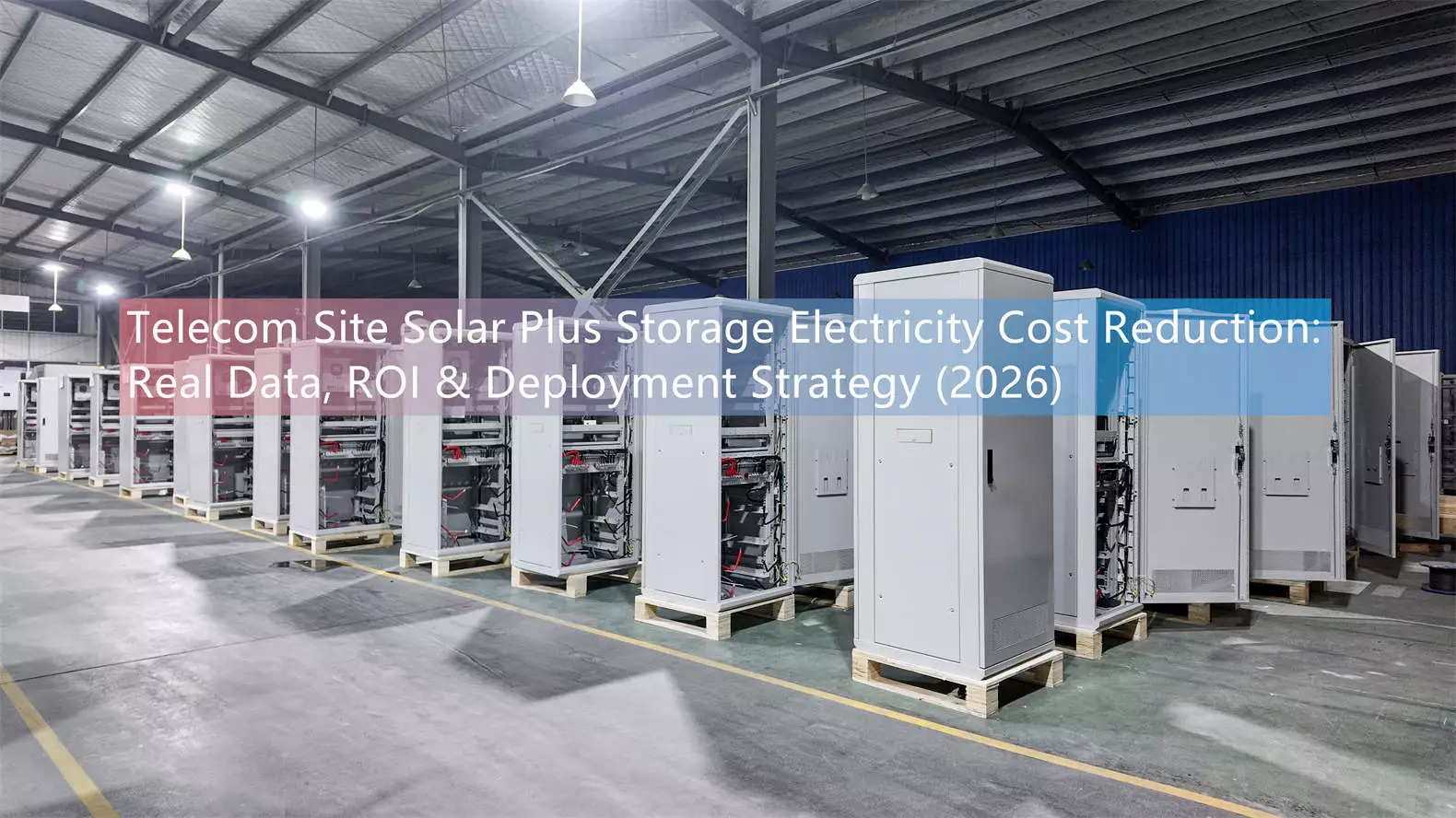

Telecom Site Solar Plus Storage Electricity Cost Reduction: Real Data, ROI & Deployment Strategy (2026)
Telecom Site Solar Plus Storage Electricity Cost Reduction: Real Data, ROI & Deployment Strategy (2026)
If you’re managing telecom infrastructure across the Sub-Saharan pulse—from the high-demand hubs of Lagos to the remote towers of Kenya and South Africa—you know the energy battlefield all too well. Diesel prices jump overnight, load shedding hits Stage 6, and the finance team keeps asking why energy OpEx is eating the network’s margins.
The shift toward telecom site solar plus storage electricity cost reduction isn’t just a “green” initiative anymore. In 2026, it is a cold, hard financial lifeline. Here’s the reality of how these systems are redefining tower economics, backed by real-world deployment data.
1. The Invisible Drain: Why Traditional Power is Killing Your ROI
A typical macro tower burns money in ways that aren’t always on the invoice. Beyond the fuel receipts, we see the “hidden” costs that most operators overlook:
- Logistics Premia: In remote areas like Northern Kenya, getting diesel to the site adds $0.70 to $1.35 per liter (USD equivalent). You’re effectively doubling your fuel cost before the generator even starts.
- The “Silent Killer” (Heat): In regions like Lagos or Ethiopia, high ambient temperatures degrade legacy lead-acid batteries in under two years.
- Theft & Spoilage: Sites with on-site tanks often see 10–20% of fuel “vanish” through leakage or theft before it ever reaches the injector.
In off-grid or weak-grid locations, these factors can push energy costs to 30% of total site OpEx.
2. Breaking Down the “Solar + Storage” Solution
Achieving a 99.99% “five-nines” availability while cutting costs requires a surgical approach to hardware. It’s not about slapping panels on a roof; it’s about building an ecosystem.
The Shift to High-Density LFP Storage
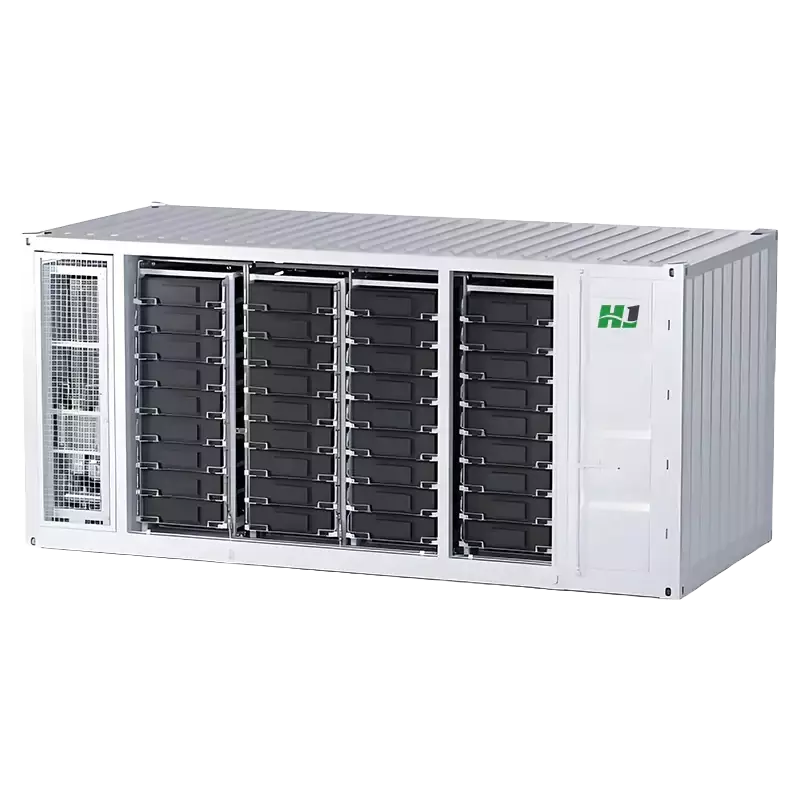
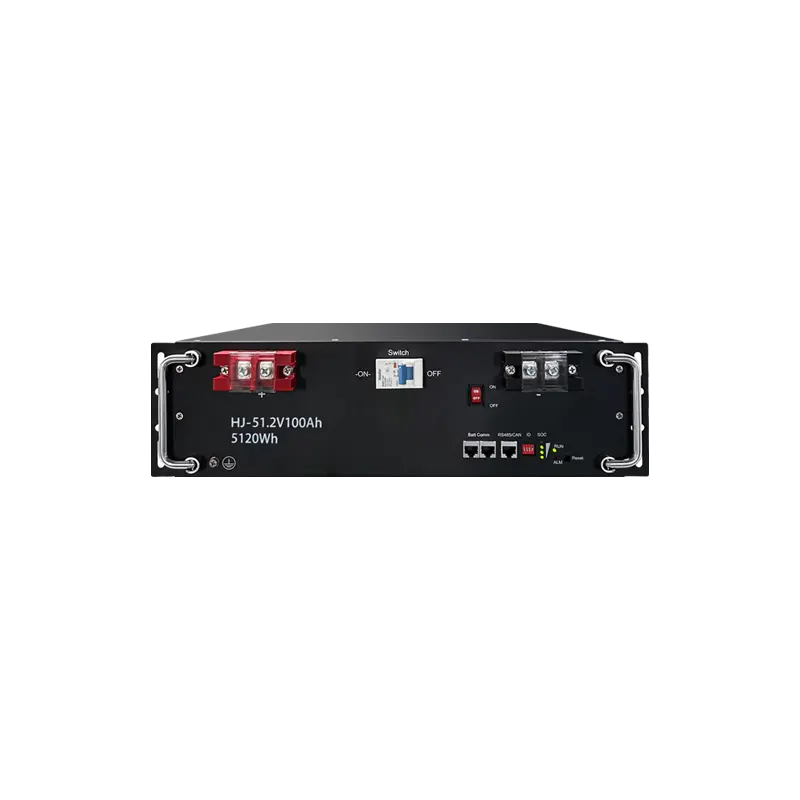
Lead-acid is officially dead for high-performance sites. We now deploy high-density Lithium Iron Phosphate (LiFePO4) banks.
- Cycle Life: 6,000 – 8,000 deep discharge cycles (at 80% DoD) vs. 300 – 500 for lead-acid.
- Lifespan: 10–15 years of service, matching the tower’s own lifecycle.
Smart Power Conversion
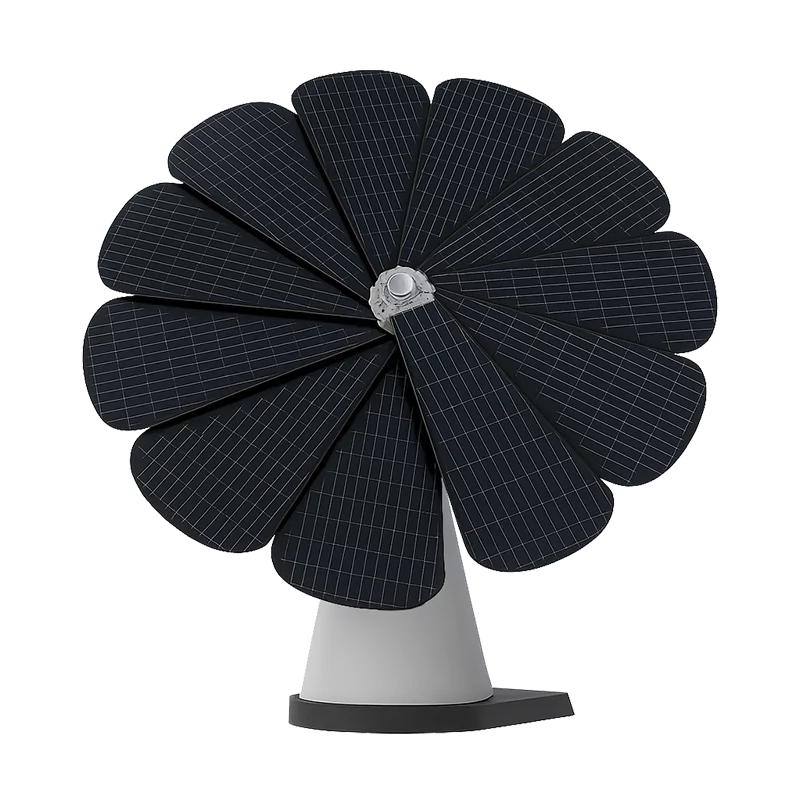
Modern systems utilize high-speed MPPT (Maximum Power Point Tracking) controllers. In high-dust environments like Northern Nigeria, these controllers are paired with bifacial N-type modules that capture reflected light, maintaining higher yield even during the diffuse light conditions of the Harmattan dust season.
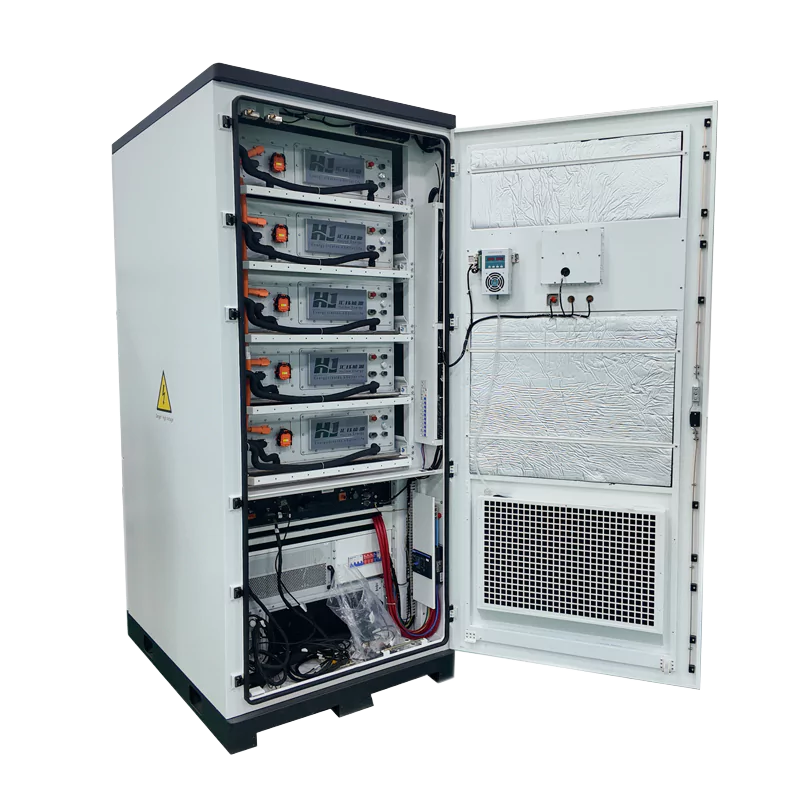
For those auditing their current hardware stack, checking the latest LFP and integrated cabinet specs on the HighJoule product page provides a benchmark for what “industrial-grade” actually looks like in 2026.
3. The Economics: Real Data from the Field
Let’s talk numbers. For a Tier-1 site with a 3.5 kW continuous load, the shift from “Diesel-Only” to a “Solar Hybrid” model looks like this:
| Performance Metric | Legacy Hybrid (Diesel/Lead-Acid) | Next-Gen Solar + LFP Storage |
|---|---|---|
| Energy Cost (LCOE) | $0.40 – $0.75 / kWh | $0.10 – $0.15 / kWh |
| Fuel Displacement | 15% – 30% | 85% – 95% |
| Maintenance Interval | Bi-monthly or Quarterly (Mechanical) | Annual On-site (Remote First) |
| Payback Period | Continuous OpEx | 18 – 36 Months |
In South Africa, the expanded Section 12BA tax incentive (and its 2026 iterations) allows operators to claim an enhanced upfront capital allowance on renewable assets, often bringing the payback period down to under 24 months.
4. Why “Human” Engineering is the Secret Sauce
According to the IRENA 2025 Renewable Power Report, the cost of storage has plummeted, but integration complexity has risen. This is where the “Human Factor” saves your margins:
- Anti-Theft Cabinets: We don’t just ship boxes; we design reinforced, sensor-tracked enclosures for high-risk zones.
- Remote AI-Diagnostics: We don’t wait for a site to go dark. Intelligent Energy Management Systems (EMS) predict cell failure weeks in advance.
- Local Support: Having boots-on-the-ground technical teams in Johannesburg or Nairobi ensures a 24-hour turnaround, preventing the “failed-part-waiting-for-shipping” downtime trap.
Real-World Impact: The KwaZulu-Natal Benchmark
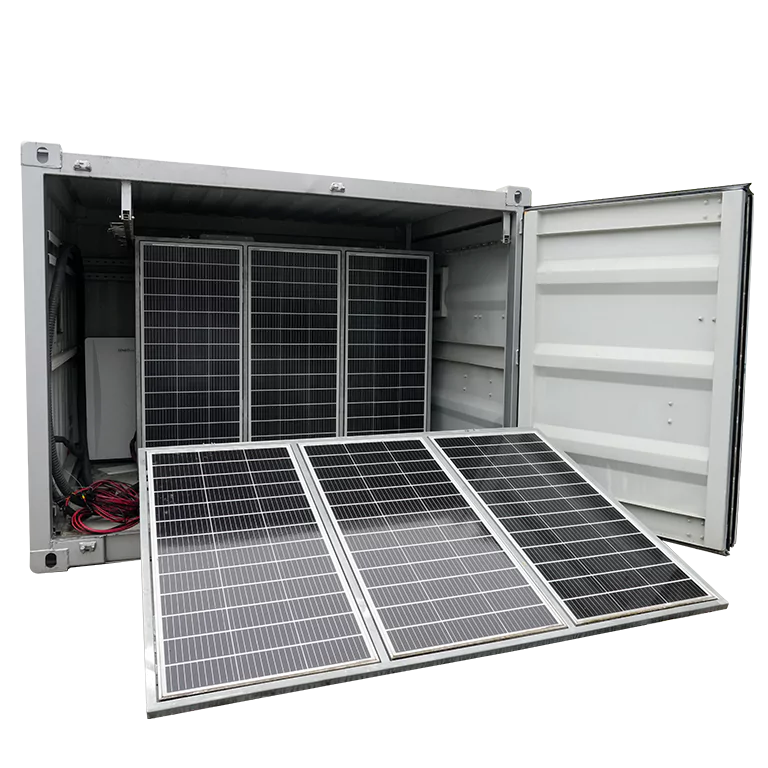
To see this in action, look at a recent 2025 deployment in rural South Africa. A site previously running a 30 kVA generator 24/7—costing approximately $28,000 – $35,000 in annual fuel and maintenance—was upgraded with a 15 kWp solar array and a 90 kWh LFP battery system. The result? Generator runtime dropped from 168 hours per week to just 4 hours per month. Fuel consumption plummeted by 92%, while uptime improved from 97% to 99.9%.
Explore how these configurations have been deployed in diverse climates through our Global Case Studies page.
5. Deployment Scenarios: Where the ROI Hits Hardest
- Urban “Peak Shaving” (Nairobi/Lagos): Use batteries to dodge “Time of Use” (ToU) tariffs, discharging stored solar power when grid prices spike.
- Ultra-Remote Off-Grid (Ethiopia/DRC): Where fuel trucks can’t reach in the rainy season, 100% solar autonomy is the only way to stay connected.
- Greenfield 5G Micro-Sites: These sites are increasingly “solar-first” by design, bypassing expensive grid tie-ins entirely.
6. Summary: Secure Your Margins for 2026
The shift to telecom site solar plus storage is the single most effective lever for electricity cost reduction. By CAPEX-ing your energy today, you eliminate the OPEX uncertainty of tomorrow.
In a world where diesel is expensive and the grid is unpredictable, the question is no longer if you should transition—it’s how fast you can roll it out to your entire portfolio. Are you ready to lock in your energy margins? Contact HighJoule for a custom site TCO analysis today.
Find Your Solar + Battery Storage Specialist Now!
* Fill out this form and our experts will help you find the perfect solar storage solution for your home or business.