
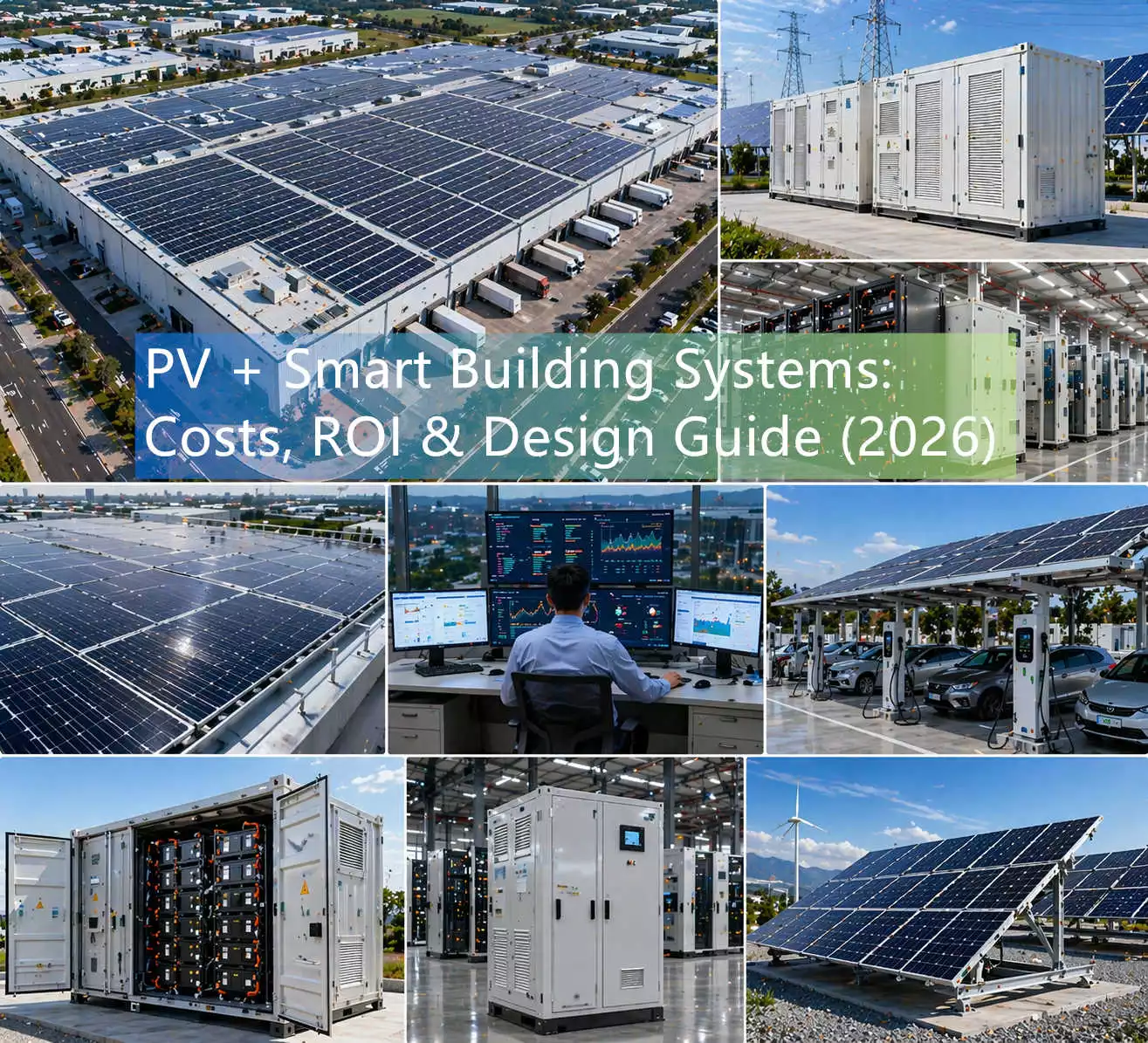
PV + Smart Building Systems: Costs, ROI & Design Guide (2026)
A practical, data-driven guide to designing high-ROI solar + storage systems for commercial and industrial buildings.
Take a walk across any industrial park in California or Germany today. You’ll see rooftops covered in solar panels, but here is the stinging reality: most of these systems are bleeding money. They operate in a ‘passive’ vacuum—blindly generating power only to sell it back to the grid for pennies, while the building buys it back at peak rates just hours later.
By 2026, the era of ‘dumb solar’ is over. True PV + Smart Building integration means your battery storage and Energy Management System (EMS) are making split-second decisions based on real-time pricing. It’s no longer a ‘green halo’ project for your annual report; it’s a financial survival requirement for the modern enterprise.
Quick Answers: How much does it cost? How long does it take to pay for itself?
| Region | Commercial Electricity Price (USD/kWh) | Typical System Cost (PV + Storage) | Payback Period (After Subsidies) |
|---|---|---|---|
| California, USA | $0.32/kWh [EIA] | $2.2–$2.8/W + $500–$700/kWh | 2.5–4.5 years |
| Texas, USA | $0.16/kWh | $1.8–$2.3/W + $450–$650/kWh | 5–7 years |
| Germany | €0.22/kWh (approx. $0.24) | €1.7–€2.4/W + €400–€650/kWh | 5–8 years |
| Netherlands | €0.21/kWh (approx. $0.23) | €1.6–€2.2/W + €380–€600/kWh | 5–8 years |
Key Takeaway: A well-designed integrated system can reduce reliance on the grid by 40–80%. In California, “peak demand charges” alone can account for half of a commercial electricity bill—and smart integration is the only way to shave off these peaks without disrupting operations.
So, what exactly is “PV + Smart Building” integration?
Stripping away the marketing jargon, integration essentially boils down to three layers working in concert.
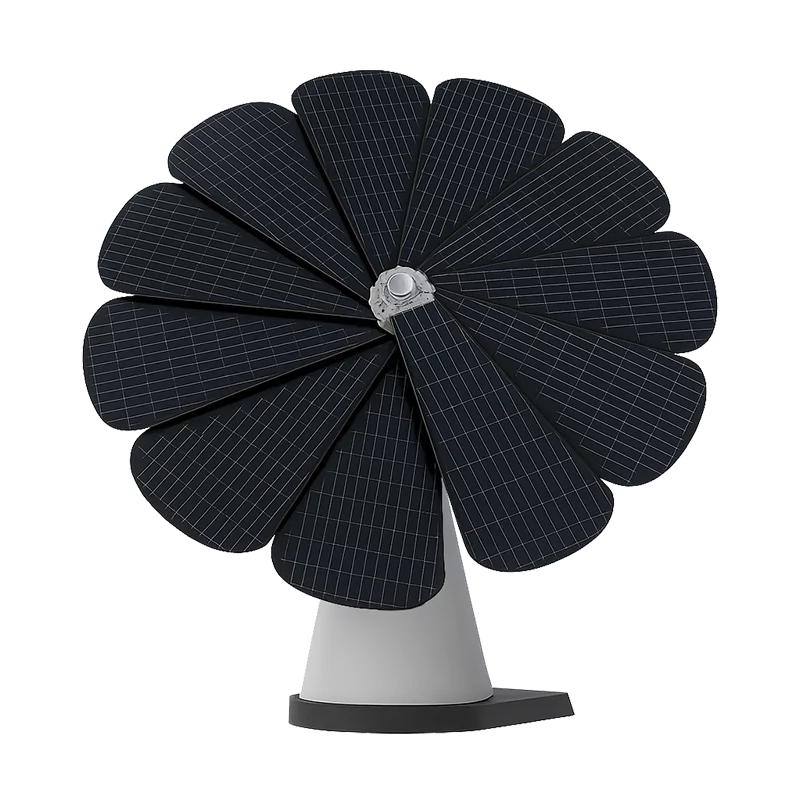
- Layer 1: Generation. This involves PV panels on the rooftop, on carports, or integrated directly into the building’s facade (if you prefer technical terms, this is known as an “active building envelope” [ScienceDirect]).
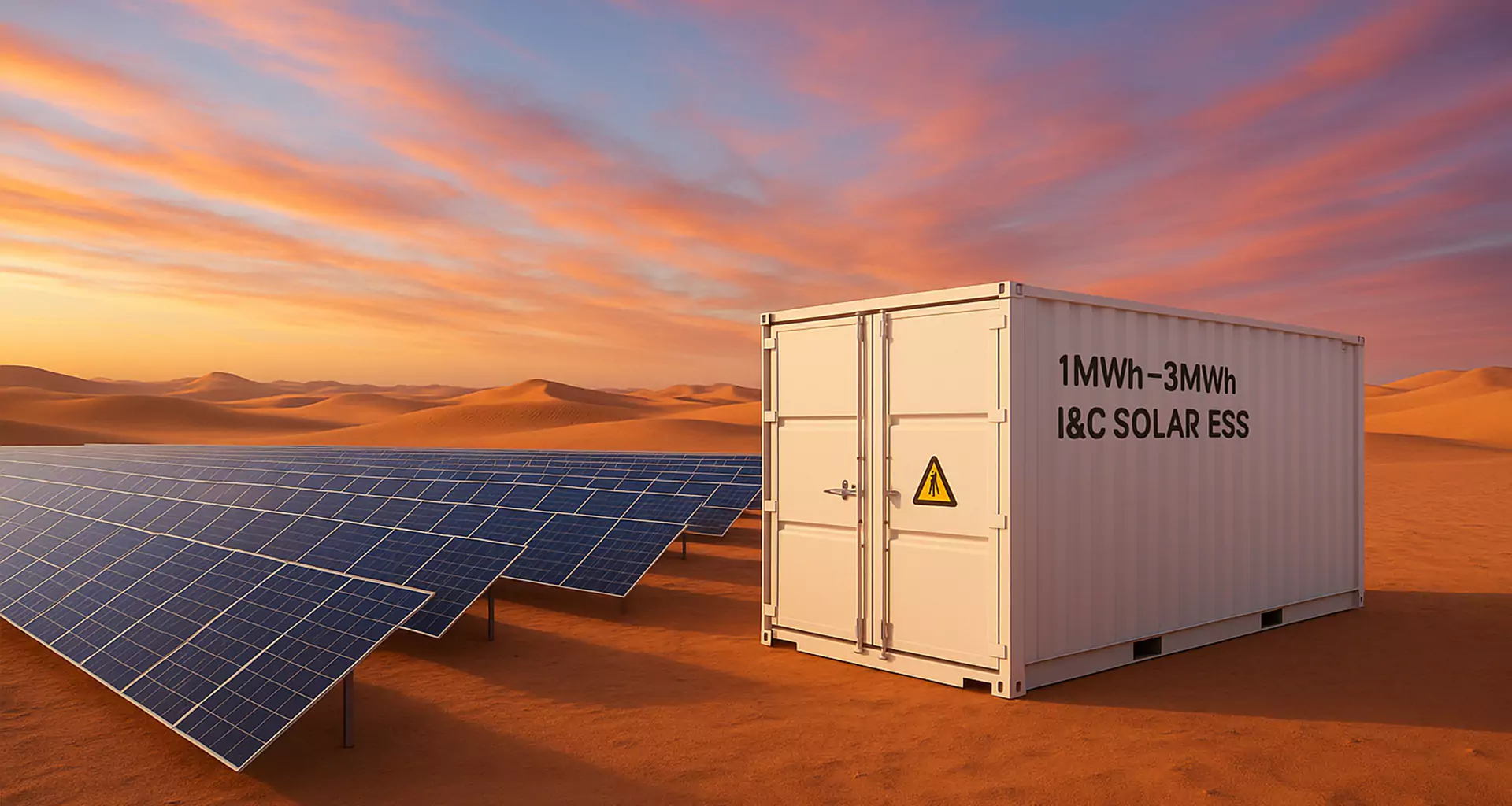
- Layer 2: Storage. A Battery Energy Storage System (BESS) captures surplus solar electricity generated during the day, saving it for use at night or when grid electricity prices skyrocket.
- Layer 3: Intelligence. A Smart Energy Management System (EMS) makes decisions every single second: Should the battery be charging or discharging? Should the building draw power from its solar array or from the grid?
Layer 3 is the brain. Without an intelligent EMS, your high-tech battery is just an expensive paperweight. It’s the difference between a building that reacts to the grid and a building that outsmarts it.
Related concepts you’ll encounter in the market:
- PV-Powered Smart Buildings – The complete system described above.
- Smart Grids with PV Integration – Buildings capable of “communicating” with the power grid.
- Active Building Envelopes – Integrating PV technology directly into glass, roofing, or curtain walls.
Why is 2026 different from previous years? Three major trends that are changing the calculus:
-
Electricity prices are no longer monolithic.
As of early 2026, the average commercial electricity rate in Germany stands at €0.22 per kilowatt-hour (kWh); however, daily fluctuations in wholesale prices are so extreme that long-term budgeting has become virtually impossible. In California, businesses pay an average of $0.32 per kWh, while utility companies file for rate hikes year after year. And Texas? While electricity rates are somewhat lower, following the massive blackouts of 2021—and repeated warnings issued by ERCOT (the state’s grid operator)—“grid resilience” has become a mandatory line item on every industrial user’s P&L statement [ERCOT Analysis].
-
Subsidies can be “stacked” (provided you know where to look).
The U.S. Investment Tax Credit (ITC) continues to offer a 30% credit on the total system cost—with no cap [ITC Guide]. In California, the Self-Generation Incentive Program (SGIP) offers an additional $0.15 to $0.50 per kilowatt-hour for energy storage [SGIP Rates]. A 1 MWh system can secure as much as $400,000 solely through the SGIP [SGIP Official]. In Germany, the KfW 270 loan program [KfW 270]—combined with the market premium (Marktprämie) and accelerated depreciation (§7g)—can drive the net cost down to less than half of the list price.
-
ESG Reporting Is No Longer Merely “Voluntary”
If your company supplies goods to the European market or conducts business with major U.S. corporations, you may have already received a sustainability questionnaire regarding your carbon emissions intensity. On-site solar PV systems equipped with integrated storage represent the most direct method for reducing Scope 2 emissions—a far more cost-effective approach than purchasing expensive Renewable Energy Certificates (RECs).
How the Technology Works (In Plain English)
Let me walk you through a typical afternoon at a commercial warehouse in Texas.
At 1:00 PM, the sun is shining brightly. The rooftop solar PV array is generating 150 kW of power. The building requires only 80 kW to power its lighting, office air conditioning, and several loading docks. In a “dumb” system, the surplus 70 kW would be sold back to the grid for just a few cents per kilowatt-hour.
In an integrated system, the Energy Management System (EMS) anticipates that electricity rates will skyrocket at 4:00 PM (due to the utility company’s peak demand charges). Consequently, it diverts the surplus 70 kW to charge the battery—saving it for later use. At 4:00 PM, when electricity rates double, the EMS stops charging and begins discharging. The building draws power from the battery instead of from the grid. The building owner never even sees that peak electricity rate.
This is known as “peak shaving.” For most commercial and industrial projects, it represents the single largest source of Return on Investment (ROI).
Now, let’s add another layer: Artificial Intelligence. The EMS learns that every Tuesday at 10:00 AM, the warehouse activates a heavy-duty conveyor belt. It therefore preemptively charges the battery on Monday night using inexpensive, off-peak electricity rates. Alternatively, if it forecasts cloudy weather for the next day, it may decide against selling power back to the grid today, choosing instead to fully charge the battery.
This is no longer science fiction. Many modern energy storage systems already support these capabilities—including HighJoule’s all-in-one units.
Core Equipment: What You Really Need to Buy
For commercial and industrial (C&I) projects, three main categories of hardware are involved:
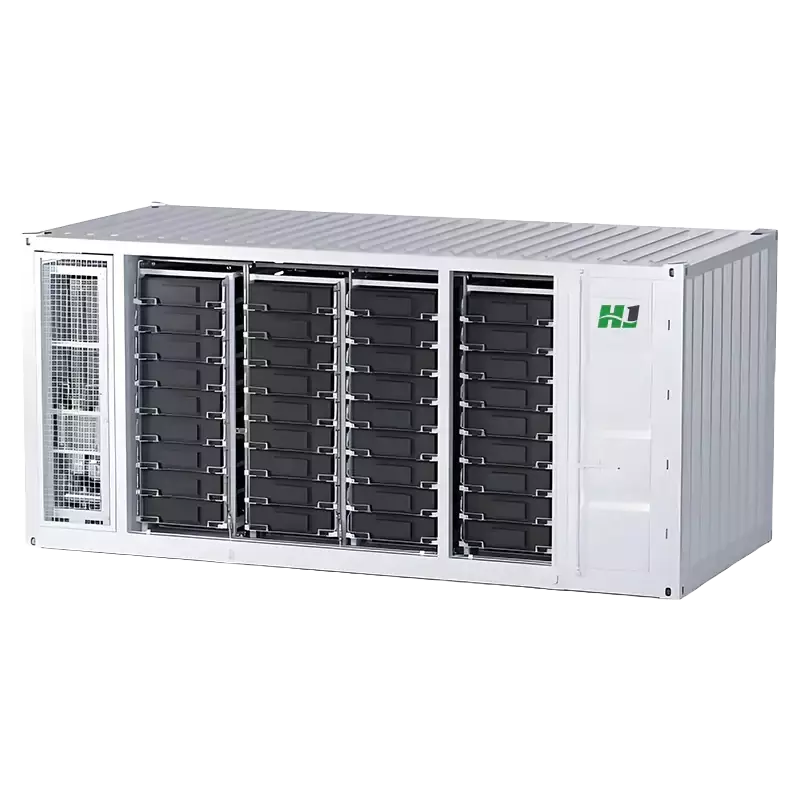
Containerized Energy Storage Systems (The Workhorse)
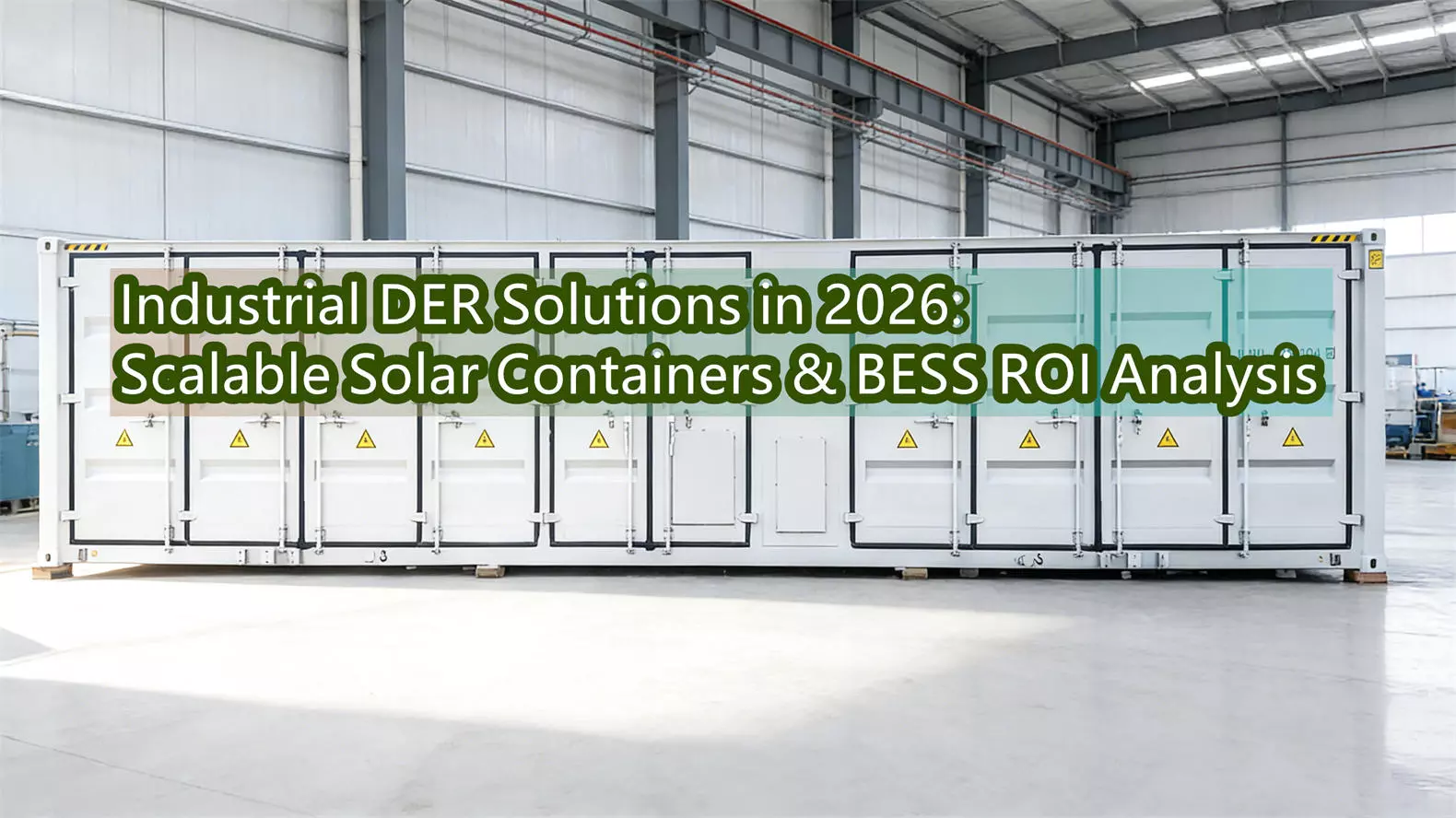
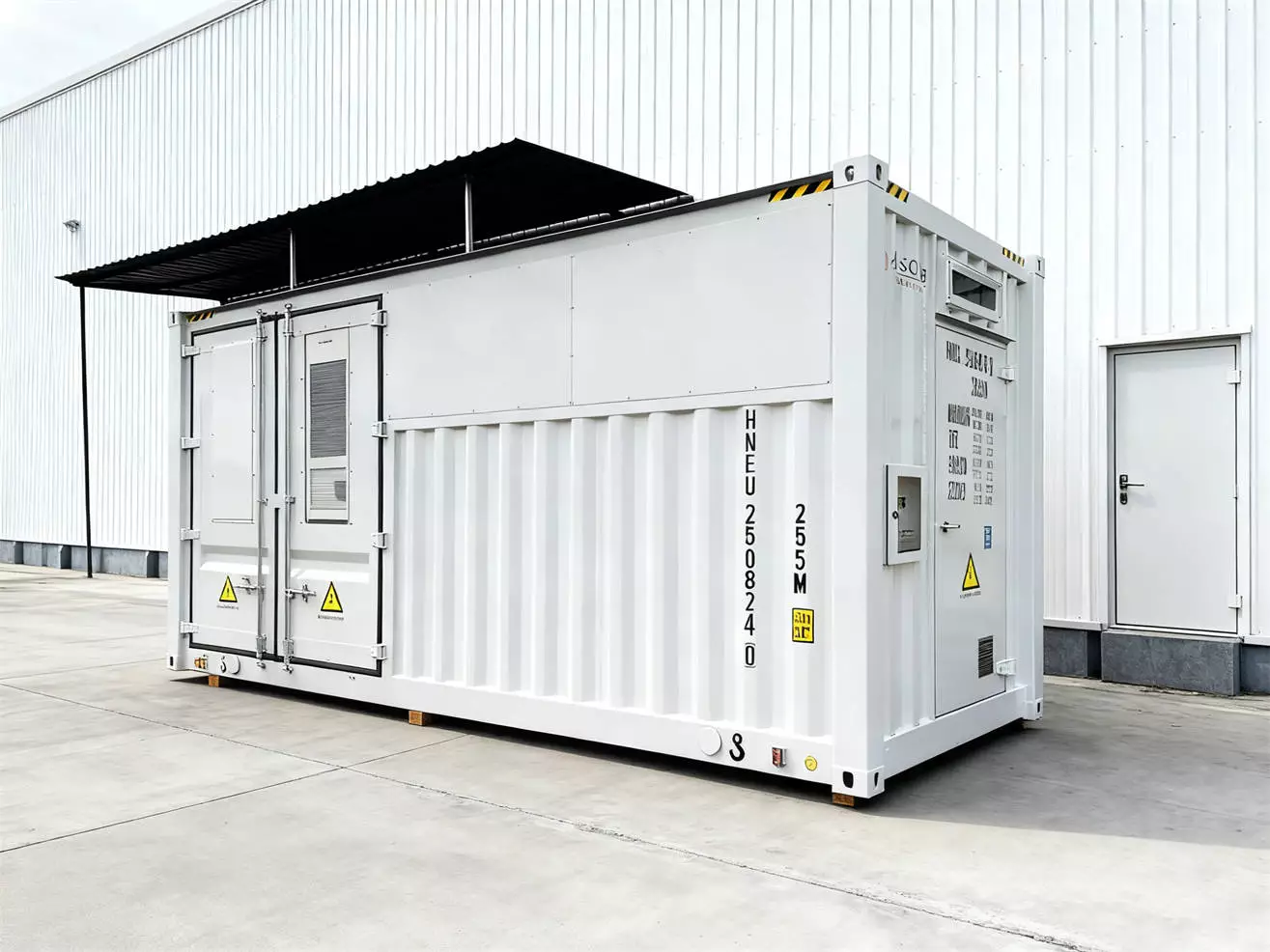
These consist of 20-foot or 40-foot steel containers packed with Lithium Iron Phosphate (LFP) battery racks, liquid cooling systems, inverters, and fire suppression systems. They are typically situated outdoors—often adjacent to loading docks or behind parking lots.
Typical Specifications:
- Capacity: 500 kWh to over 6 MWh per container
- Voltage: 600V–1500V DC
- Cycle Life: 6,000–10,000 cycles
- Cooling Method: Liquid cooling (By 2026, liquid cooling is becoming the dominant solution for large-scale systems, although air-cooled systems are still used in certain applications.)
Key Metrics to Watch: Round-trip efficiency (how many kWh can be discharged for every 100 kWh charged) and switching speed (how quickly the system can disconnect from the grid and operate autonomously during a power outage). For instance, HighJoule’s HJ‑G0‑6250L model packs 6.25 MWh into a single 20-foot container, boasts a round-trip efficiency of 98.4%, and offers an off-grid switching time of less than 10 milliseconds (depending on system configuration) [HighJoule Specs]. This speed becomes absolutely critical when the grid experiences momentary flickers or interruptions.
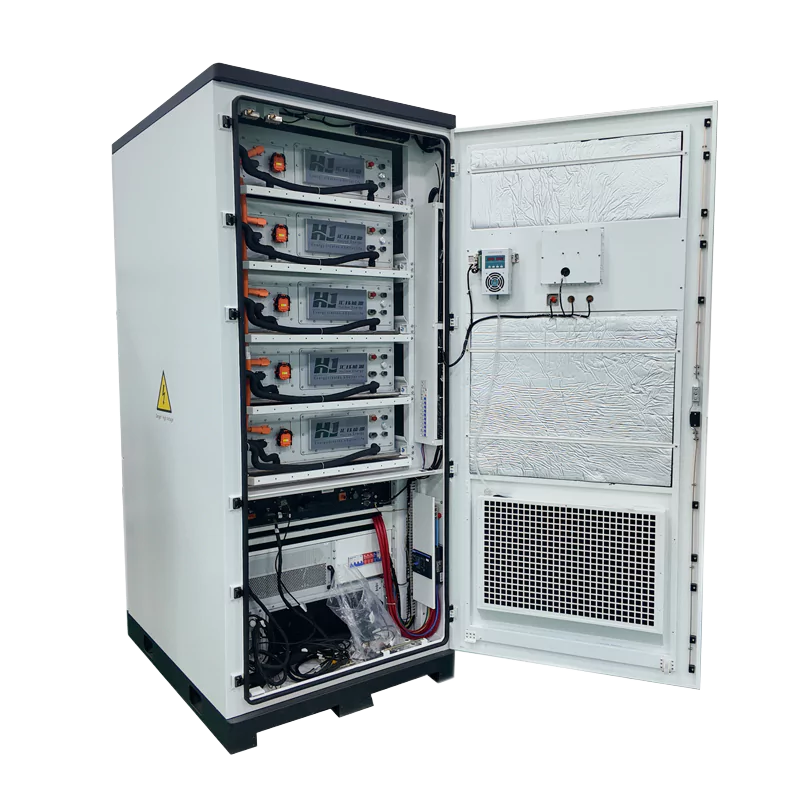
Cabinet-Style Battery Systems (Ideal for Smaller Commercial Projects)
If space constraints prevent the installation of a full-sized container—or if the building is located in a congested urban area—cabinet-style energy storage units can be installed within equipment rooms or parking garages. Typical Capacity: 50–200 kWh per cabinet. Multiple cabinets can be connected in parallel to increase capacity.
Hybrid Inverters (Power Conversion Systems / PCS)
These act as the “translators” between the DC battery bank, the DC solar PV array, and the AC building load. It is essential to ensure that the inverter supports both grid-tied operation and off-grid (islanding) operation. Many lower-cost inverters simply drop offline the moment a power outage occurs—which raises an important concern regarding system resilience.
Interested in specific models and configurations? Explore HighJoule’s product line here:
[Browse HighJoule Energy Storage Solutions]
Real Projects, Real Data (Verifiable Case Studies)
I will now share six real-world case studies. HighJoule was not involved in the majority of these projects—yet in every single case, the underlying architecture is one that HighJoule’s equipment is capable of replicating.
-
Commercial Office Building – Electraline (Near Milan, Italy)
System: 143.65 kW Rooftop PV + Smart Energy Management System
Results: 70% of annual electricity demand is met by on-site PV generation. Local electricity rates are €160 per MWh. The system achieved a payback period of approximately 4 years, generating savings of roughly €225,000 over the first decade. -
Historic Building – Amsterdam Canal District (Netherlands)
Challenge: A 100-year-old historic building with no available space to install AC electrical infrastructure.
Solution: A DC microgrid cluster comprising 10 “Power Routers,” rooftop PV, energy storage, and EV charging stations.
Results: By eliminating the AC-to-DC conversion stage, energy efficiency was boosted by over 8%. This marks Europe’s first commercial DC microgrid deployed within a historic building. -
University Campus – Harvard University Art Scene Shop (Massachusetts)
System: 290.8 kW Rooftop PV system covering 8,000 square feet; Completed January 2025.
Results: The system not only fully covers the electricity needs of the Scene Shop itself but also exports surplus power to four other buildings on campus. It generates annual savings of approximately $100,000 and reduces carbon emissions by 152 tons per year. -
Multi-Family Residential – Vivo on Harbor (San Pedro, California)
System: Rooftop PV + Net Metering; Serving a total of 137 units.
Results: Generates over 120,000 kWh of electricity annually for the common areas. While this phase did not include battery installation, the project design incorporates provisions for the future addition of energy storage capabilities. -
Industrial Logistics – Skanska Maspeth Yard, Queens, NY
System: 299 kW Rooftop PV + Smart Battery Hybrid System for generators and loaders.
Result: Offsets approximately 78% of the yard’s annual electricity consumption. The yard serves as a central equipment hub and operates 24 hours a day. -
Large-Scale Reference Project – Tesla Gigafactory Nevada
System: Approx. 70 MW PV + Multi-MWh Battery Storage + Smart Energy Management System.
Result: Significantly reduced reliance on the power grid. While HighJoule does not claim to have participated in this specific project, this architecture—combining containerized energy storage with AI-driven EMS—is fully replicable for large-scale industrial parks.
Regional Deep Dive: California vs. Texas vs. Germany
You cannot design a system without first examining local electricity rates and incentive policies.
California (High Electricity Rates, Generous Incentives)
Average Commercial Electricity Rate: $0.3175 per kWh.
Key Incentives: SGIP offers $0.15–$0.50 per kWh of energy storage capacity, capped at 6 MWh per site. Plus, a 30% Federal Investment Tax Credit (ITC).
Typical Payback Period: 2.5–4.5 years.
Note: Net metering rules have changed—new systems now operate under NEM 3.0, which offers lower rates for electricity sold back to the grid. This actually increases the value of energy storage, as it becomes more advantageous to store generated electricity for self-consumption rather than selling it back.
Texas (Low Electricity Rates, High Volatility)
Average Commercial Electricity Rate: $0.156 per kWh.
Incentives: Federal ITC only (no state-level incentives).
Payback Period: 5–7 years.
Why do people still install systems here? ERCOT has issued electricity conservation alerts in recent years, highlighting ongoing grid reliability concerns. For a data center or a cold storage facility, the financial losses incurred from a single day of power outage can exceed the cost of an entire battery storage system. In this context, “resilience” is a more critical factor than Return on Investment (ROI).
Germany (High Electricity Prices, Complex Subsidy Mix)
Average Commercial Electricity Price: €0.22 per kWh (approx. $0.24 USD).
Subsidy Mix: KfW 270 Loans (up to €150,000 per project), Market Premium (Marktprämie—4.9–7.8 euro cents per kWh, for 20 years) [Marktprämie], BAFA Investment Grants (20–35%) [BAFA], §7g Accelerated Depreciation (20% in the first year), and Full VAT Refund.
Actual Net Cost: 40–50% lower than the total installation cost.
Payback Period: 5–8 years.
Technology Comparison: HighJoule vs. Industry Average
For 20-foot containerized energy storage systems (the most common configuration for C&I projects), a comparison of current models is presented below.
| Parameter | HighJoule HJ-G0-6250L | 2026 Industry Average |
|---|---|---|
| Rated Capacity | 6.25 MWh | 3.3–4.5 MWh |
| Round-trip Efficiency | Up to 98.4% | 91–95% |
| Cooling Method | Liquid Cooling | Predominantly Air Cooling (Older Models) |
| Off-grid Switching Speed | <10 ms | 50–100 ms |
| Cycle Life | >10,000 Cycles | 6,000–8,000 Cycles |
| Operating Temperature Range | -30°C to 50°C | -10°C to 45°C |
Data Sources: Manufacturer datasheets (HighJoule, Tesla Megapack, Sungrow PowerTitan, BYD “Hao Han”), 2025–2026.
What This Indicates: The industry is trending toward higher energy density and liquid cooling solutions. The fact that a 20-foot container can house 6 MWh—rather than 3.5 MWh—means that the same amount of electrical energy requires only half the physical footprint; this is a critical advantage in locations where real estate costs are high.
Future Trends (Already Underway)
By 2027, three key trends will reshape the integration of photovoltaics and smart buildings.
Vehicle-to-Building (V2B). Bi-directional EV charging stations transform a fleet of delivery trucks into a mobile battery bank [V2B Definition]. During peak demand hours, the building draws power from the trucks; at night, the trucks recharge using inexpensive off-peak electricity. Pilot projects demonstrating this concept are already operational in California [GM Energy Pilot] and the Netherlands.
Virtual Power Plants (VPP). A collective of buildings—each equipped with solar PV and energy storage systems—aggregates its capacity to sell grid flexibility services back to the power grid. Building owners do not even need to modify their existing hardware; by simply implementing a smart Energy Management System (EMS), they can earn revenue in exchange for “allowing the grid to dispatch their battery storage.”
Active building envelopes have become standard practice. Colored, glare-free photovoltaic curtain walls are no longer a novelty. At the 2025 Intersolar Europe exhibition, Equatop unveiled its Thermo PV system, which integrates power generation, heating, and cooling into a single architectural panel [Equatop Thermo PV].
After-Sales Support: What to Ask Before You Buy
A battery energy storage system represents a 10-to-15-year asset. While the hardware is crucial, the support behind it is equally important.
Ask every vendor (including HighJoule) the following questions:
- 24-hour technical response capability (not just email support).
- Remote monitoring and diagnostics (via CAN, RS485, or Modbus TCP).
- Warranty terms: For the battery (typically 5–10 years), ensure the capacity degradation standard is clearly defined (Industry standard: retaining 80% of original capacity after 6,000 cycles).
- Do they have local service partners in your region? If a containerized system in Texas malfunctions, you need a technician who can drive to the site—not someone flying in from another continent.
HighJoule’s containerized systems come standard with IP54 dust and water protection, an aerosol-based fire suppression system, and a liquid-cooling system designed for heavy-duty daily cycling. Remote diagnostic capabilities are built directly into the Energy Management System (EMS).
How to Choose the Right System (A Decision Framework for C&I Buyers)
Retrieve your electricity bills from the past 12 months and answer these five questions:
- What does your electricity load profile look like? Does your peak demand occur in the afternoon (when PV systems are actively generating power) or in the evening (when energy storage is required)?
- What is your demand charge? Look for the line labeled “demand” on your bill; it typically ranges from $15 to $25 per kilowatt. By shaving off just 100 kW of peak demand, you could save between $1,500 and $2,500 per month.
- How reliable is the power grid in your area? If you have experienced more than one power outage in the past two years, prioritize systems with rapid switching capabilities and the ability to operate in off-grid mode.
- What incentives or subsidies are applicable? Check the DSIRE database (for the U.S.) or the Förderdatenbank (for Germany). Note that some incentive programs have annual funding caps that are quickly exhausted.
- How scalable is the system? The purchased energy storage system should be capable of direct expansion—adding additional battery cabinets or a second container—without the need for an additional inverter.
Summary: Why This Matters for Your Building
| Before (PV Only) | After (Integrated System) |
|---|---|
| Self-consumption: 20–40% | Self-consumption: 70–90% |
| No backup power during outages | Seamless off-grid operation (<10 ms) |
| Selling power at fixed, low rates | Active peak shaving & load shifting + Grid services |
| No real-time cost visibility | AI-driven optimization, minute-by-minute |
| 8–12 years to ROI | 3–7 years to ROI (including subsidies) |
Integrating PV with smart building technology isn’t just about saving the planet (though it certainly does that, too). It’s about locking in your energy costs for the next 15 years while transforming one of your fixed assets—your building—into a flexible, revenue-generating energy resource.
The technology is mature. Subsidies are currently generous (though they won’t remain so forever). Meanwhile, the alternative—enduring volatile grid electricity prices without any hedge—becomes more expensive every year.
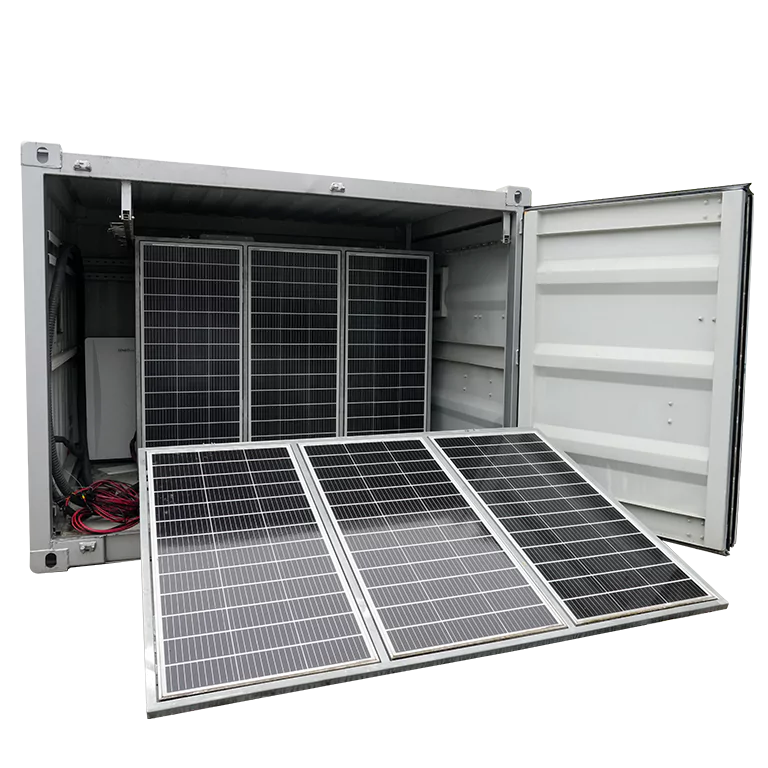
Next Steps: Locate your electricity bills from the past 12 months. Calculate your peak demand. Then, explore a containerized energy storage system that aligns with your specific load requirements. HighJoule’s product line offers a comprehensive range of solutions—from 40 kWh foldable PV containers designed for temporary construction sites to massive 6.25 MWh units suitable for industrial parks.
Find Your Solar + Battery Storage Specialist Now!
* Fill out this form and our experts will help you find the perfect solar storage solution for your home or business.