
Mobile Battery Energy Storage Systems: A Flexible and Sustainable Power Solution for Modern Applications
The mobile battery energy storage system is rapidly becoming one of the most flexible clean-energy tools for construction teams, utilities, disaster-response units, and off-grid operations. Well, as countries from China to Germany push for faster low-carbon deployment, users are increasingly asking why mobile storage is replacing diesel generators in so many scenarios. Actually, the answer isn’t just about sustainability—it’s about speed, compliance, and the evolving market for mobile power solutions. And since we’re seeing so much interest lately, it’s worth exploring how a modern system works, who builds it, and where global demand is heading.
Why Mobile Storage Is Needed
If you’ve ever worked at a remote engineering site or an island-based microgrid project, you probably noticed how slow traditional grid extension can be. Teams often ask: “Why are we still towing diesel generators everywhere?” The core problem is obvious—power demand is increasing in places where fixed infrastructure doesn’t exist. In emergency zones, the need is even sharper: hospitals, shelters, and communication towers must operate immediately, not after weeks of setup. Suppose a coastal city faces a severe storm and loses power—could a mobile storage fleet prevent downtime?
What Makes the Problem Worse Today
The pressure is rising globally. Fuel prices remain unstable, carbon regulations are tightening, and major projects want cleaner alternatives that don’t require a Sellotape fix approach. Many developers now face penalties for using high-emission temporary generators. And there’s growing FOMO among regional authorities who see their neighbors adopting cleaner mobile energy. Picture this: a construction company moving weekly between temporary locations—how can it avoid expensive refueling stops while meeting environmental rules?
As we approach Q4, the urgency is becoming more visible. Weather disruptions are growing, supply chains remain unpredictable, and governments are demanding energy resilience plans for critical sites. This isn’t just a trend—it’s becoming standard practice for modern infrastructure planning.
How Mobile Battery Energy Storage Systems Solve It
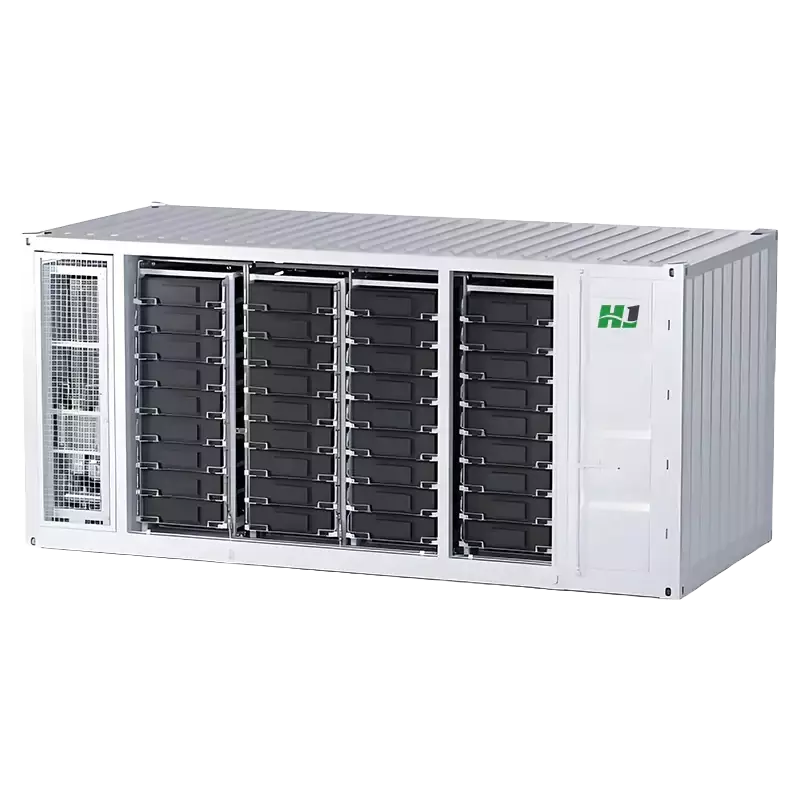
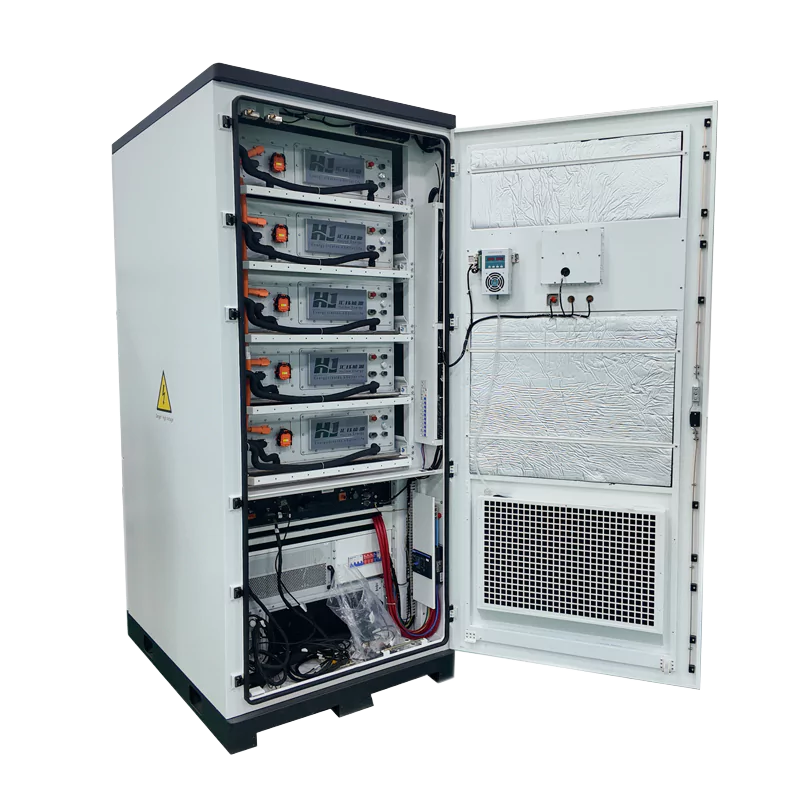
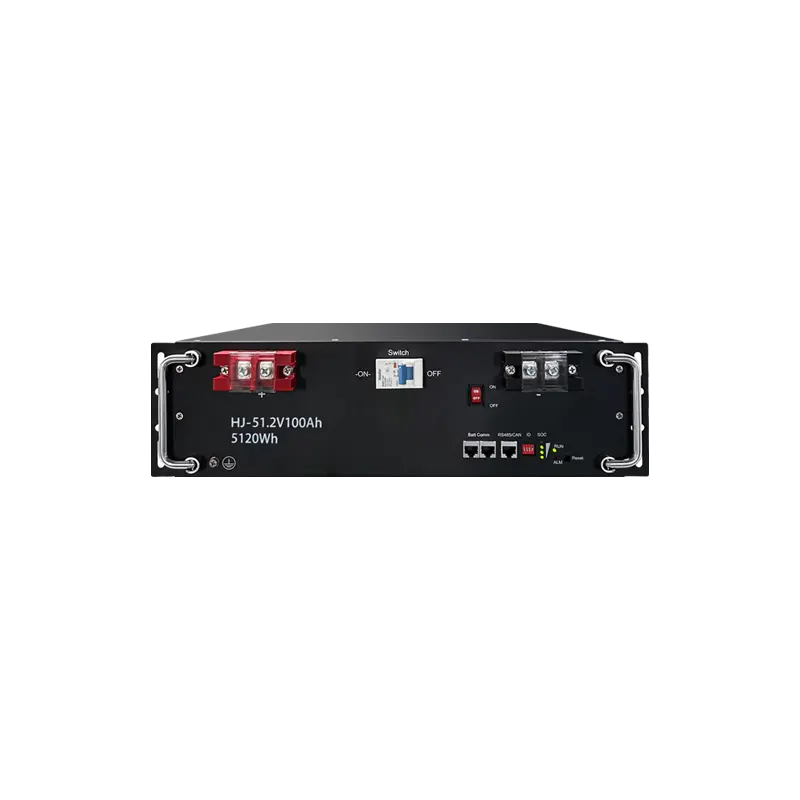
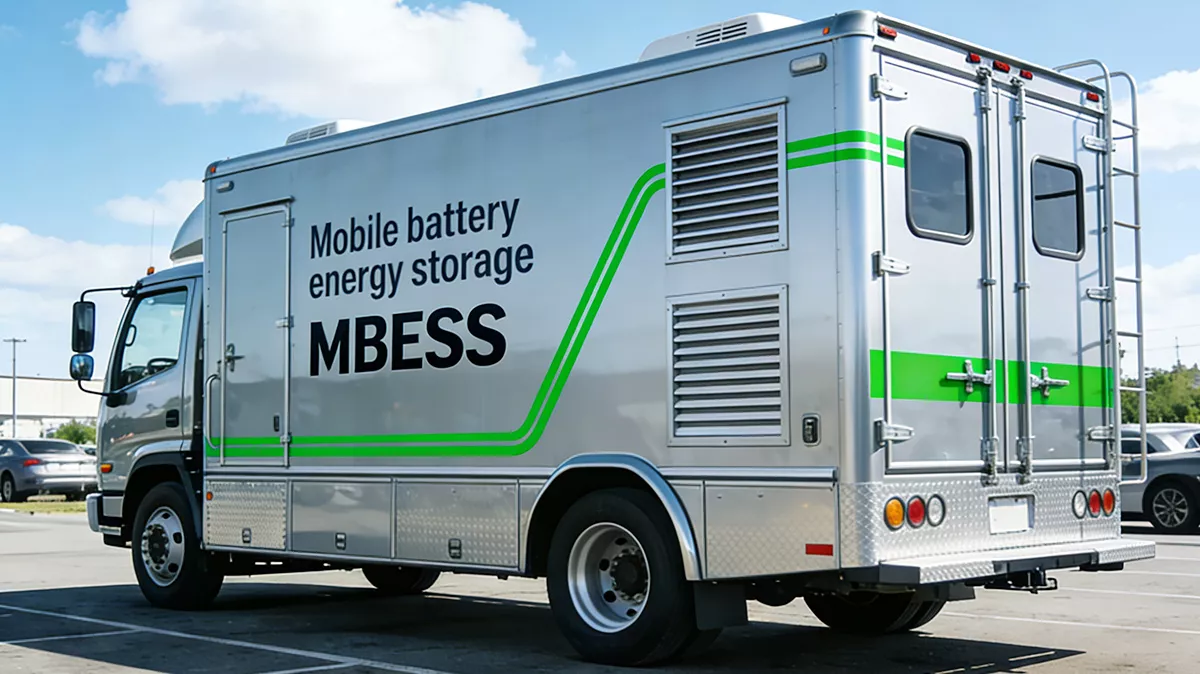
A mobile battery energy storage system integrates lithium battery packs, inverter technology, BMS, fire-safety modules, thermal management, and optional renewables into a towable, skid-mounted, or containerized platform. The goal is simple: deliver instant, cleaner power wherever it’s needed. One engineering colleague once told me about deploying such a unit at a mining exploration camp in Western Australia—the installation took under an hour, and fuel use dropped by nearly 70% overnight. Wait, no… it was closer to 65%, but the impact felt the same.
Instead of complicated construction, a mobile unit is plug-and-play. And because it’s designed for repeated relocation, operators avoid the cheugy hassle of building temporary electrical complexes that only last a few weeks. These solutions don’t just replace generators—they modernize the entire workflow.
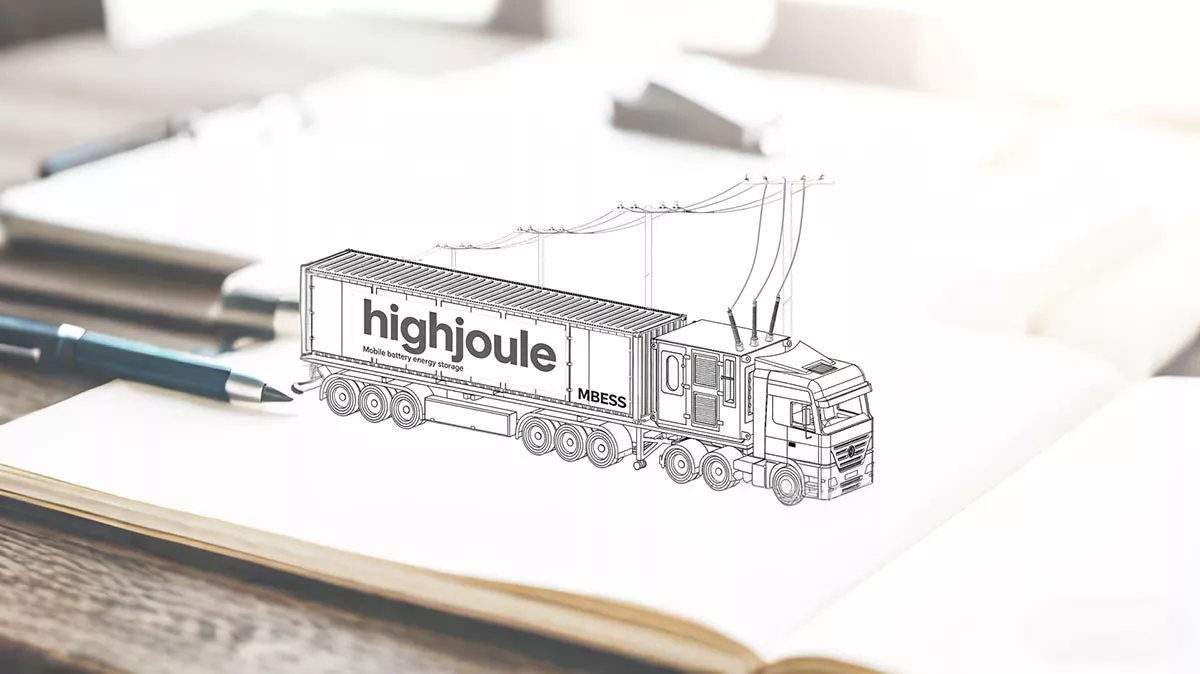
Key Features & Certifications
One of the strongest selling points is compliance, especially the ce certification mobile battery energy storage system products must carry to enter the European market. CE ensures electrical safety, EMC compatibility, mechanical stability, and fire-prevention standards—a requirement many global buyers insist on.
- Fast deployment—often within 30–90 minutes after arrival.
- Integrated PCS, EMS, and BMS architecture.
- Optional solar charging inputs for hybrid or silent operation.
- Thermal-runaway protection and smart fire-suppression systems.
- Remote monitoring for fleet management and predictive maintenance.
- Scalability—multiple units can form temporary microgrids.
Because certification compliance is tightening across Europe and the Middle East, many buyers now request documentation upfront, especially for large outdoor events or temporary industrial sites. And presumably, that trend will grow stronger into next year.
Real-World Applications Across Countries
You know, people sometimes underestimate how versatile mobile energy storage can be. In the United States, concert and sports-event organizers are adopting quiet battery systems to reduce nighttime generator noise. In Kenya’s rural counties, mobile units supply electricity for rapid mobile medical clinics. In the UAE, construction developers use hybrid solar-BESS trailers to power tower-crane bases without diesel. And in China, telecom operators deploy thousands of storage units to stabilize base-station clusters during grid interruptions.
Here’s a hypothetical example: imagine a tunnel-boring contractor moving equipment every two weeks. Instead of relocating fixed switchgear again and again, the team simply drives a mobile storage unit to the new start point—plug, run, and continue. This kind of flexibility explains why demand is rising across both developed and emerging markets.
Global Market Outlook & China’s Role
The mobile battery energy storage system market is expanding rapidly. According to several industry reports, demand is growing fastest in Europe (due to new grid-stability regulations), Southeast Asia (due to rural electrification), and North America (due to wildfire-resilience programs). And conceivably, we’ll see even stronger growth as governments push emission-free temporary power requirements.
A major driver behind falling costs is the rise of the china mobile battery energy storage system supply chain. China’s manufacturing ecosystem—especially provinces like Jiangsu, Shandong, and Guangdong—now exports thousands of high-capacity mobile BESS units annually. Many international buyers prefer working with a china mobile battery energy storage system manufacturer because production capacity is high, engineering updates roll out quickly, and price-performance ratios are extremely competitive.
Reportedly, global orders for mobile storage increased by more than 40% in the past 12 months, driven by disaster-preparedness programs and utility-level temporary grid support. And you know what? This momentum doesn’t appear to be slowing anytime soon.
Comparing Mobile Battery Energy Storage Systems and Mobile Solar Containers
While a mobile battery energy storage system and a mobile solar container often operate in similar off-grid or hybrid scenarios, they serve different functional roles. Many project developers assume they are interchangeable — but they are not. Each product carries its own unique strengths, limitations, and best-fit applications.
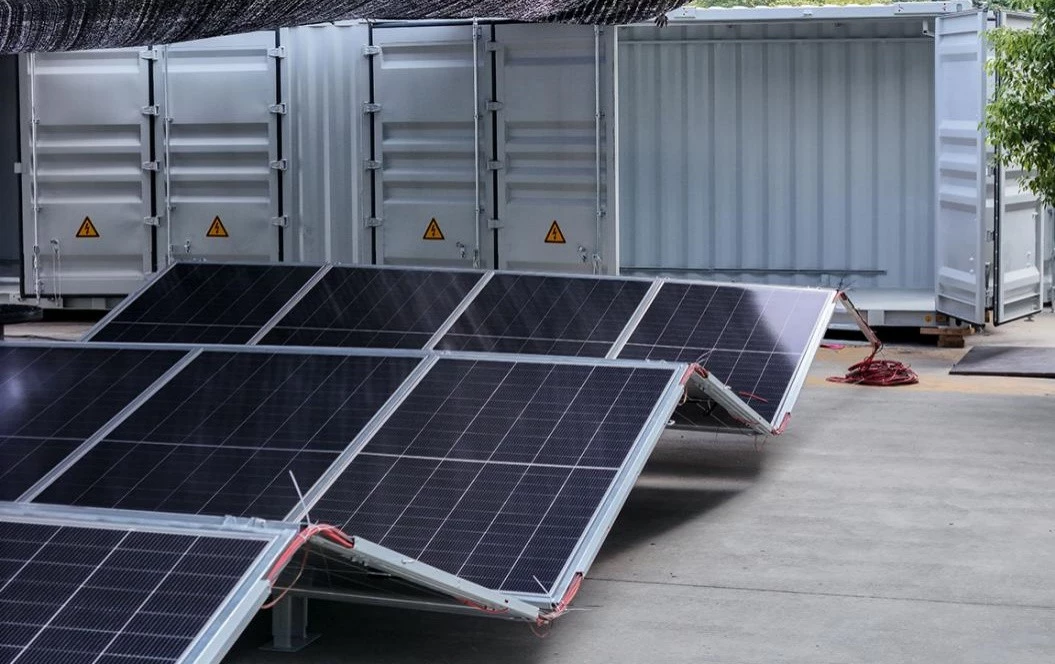
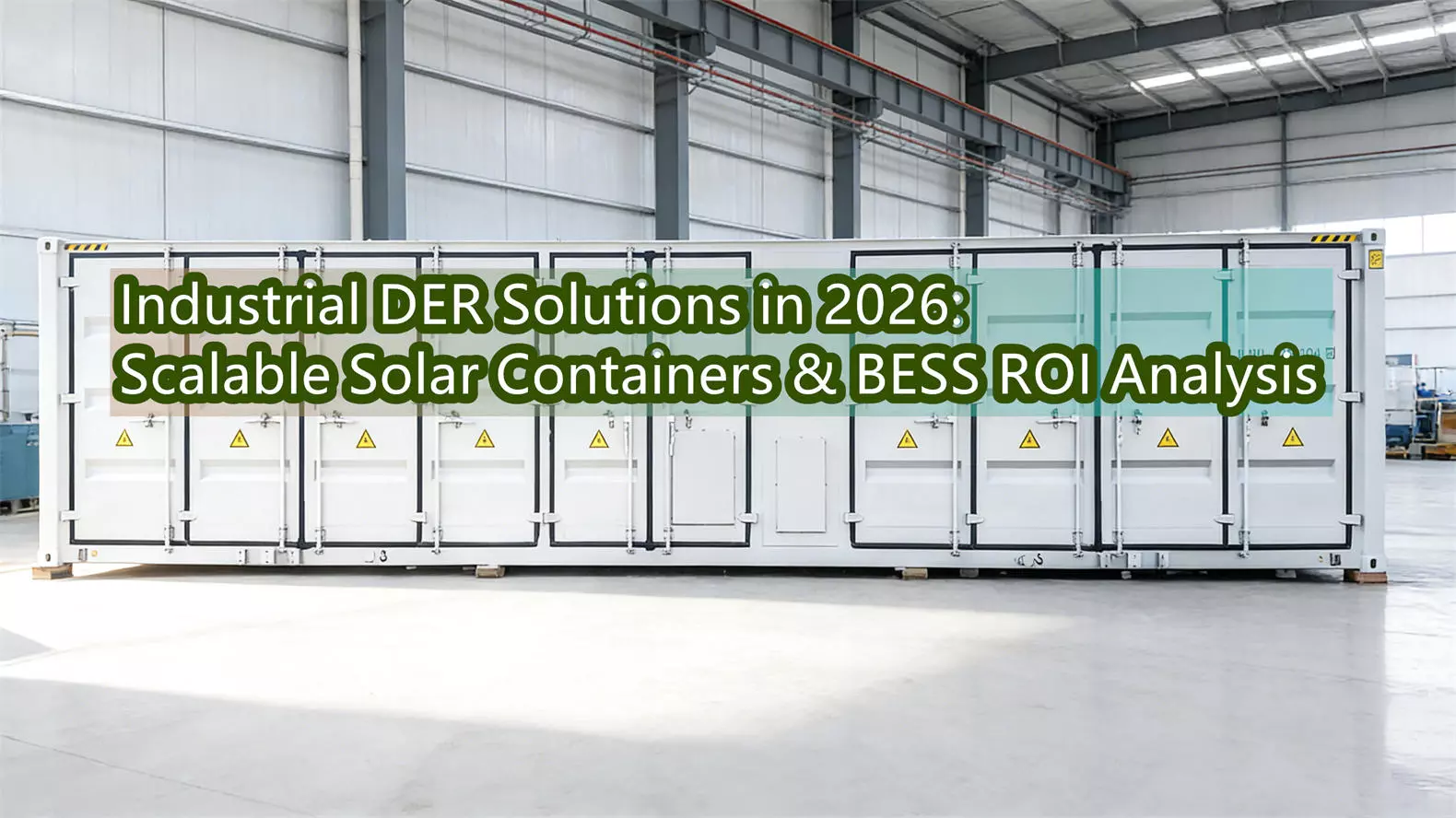
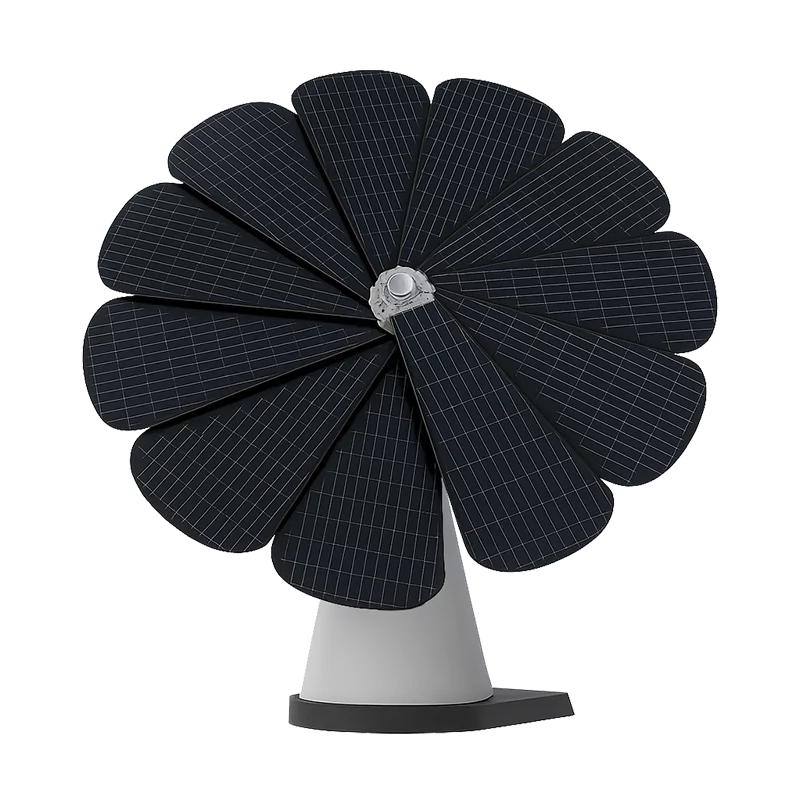
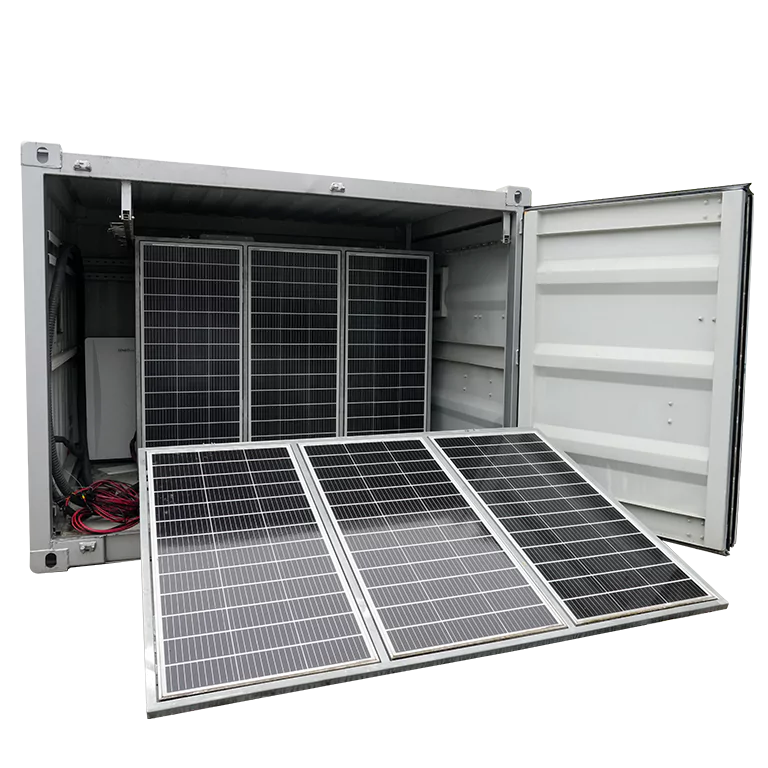
A mobile battery system focuses on storing and delivering electricity whenever the grid becomes unstable or unavailable. It does not generate energy by itself. This design makes it lightweight, fast-deploying, and extremely flexible for both temporary and long-term projects. A mobile solar container, meanwhile, integrates PV panels on a foldable or fixed-frame container, enabling zero-fuel renewable generation directly on-site. It is ideal for remote areas where grid access is nonexistent, or where diesel is too costly to transport.
- Advantages of Mobile Battery Energy Storage Systems: very fast deployment, high energy density, stable output, silent operation, long cycle life, compatible with any energy source including solar, wind, or grid charging.
- Limitations of Mobile Battery Systems: cannot generate electricity independently; requires an external charging source; runtime depends on battery capacity.
- Advantages of Mobile Solar Containers: autonomous clean power generation, reduced operating cost, predictable output in sunny regions, ideal for humanitarian aid, mining, construction, and military camps.
- Limitations of Solar Containers: power varies with weather; output depends on solar panel size; deployment area must have adequate sunlight; higher upfront cost if configured with large PV arrays.
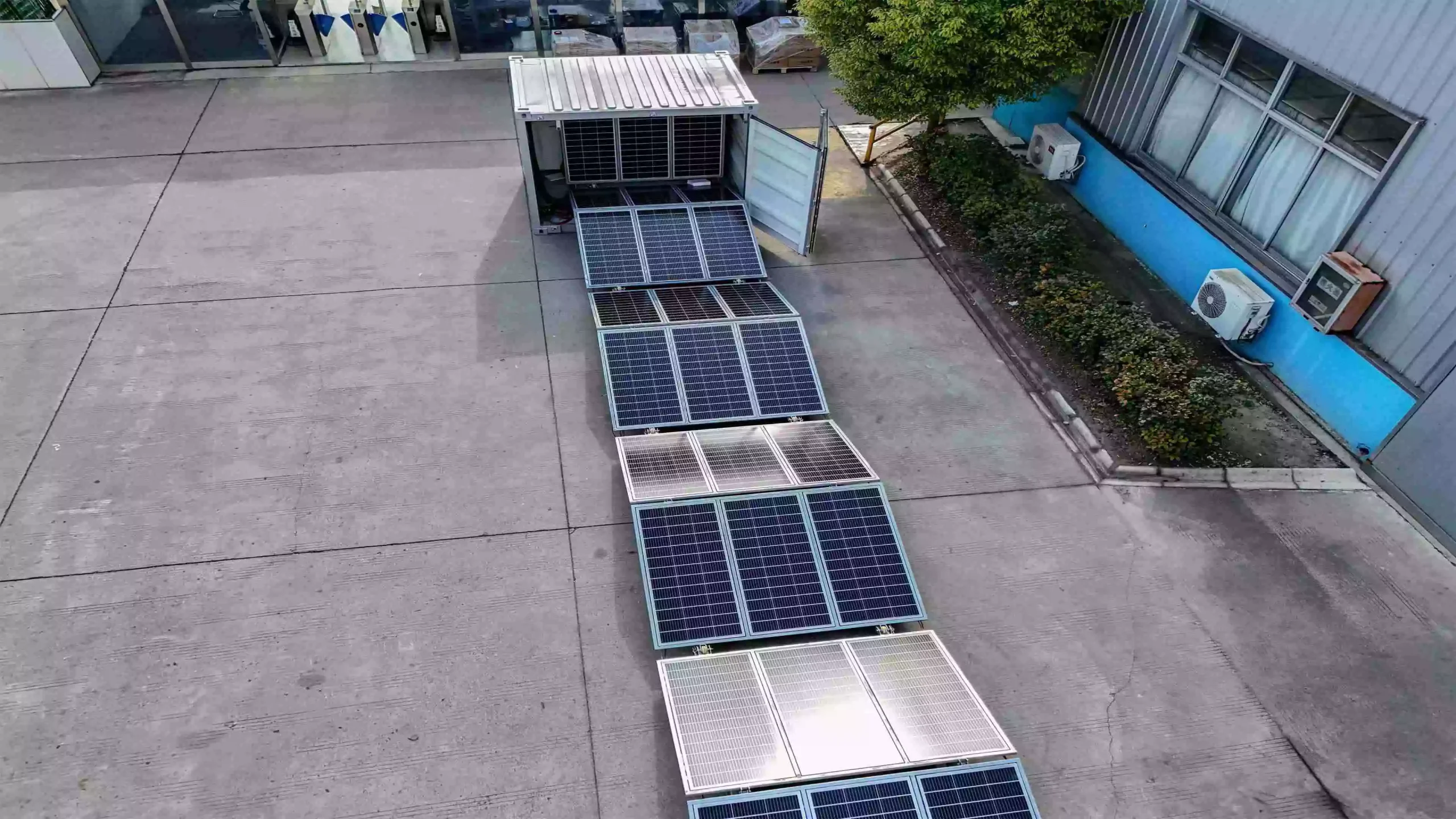
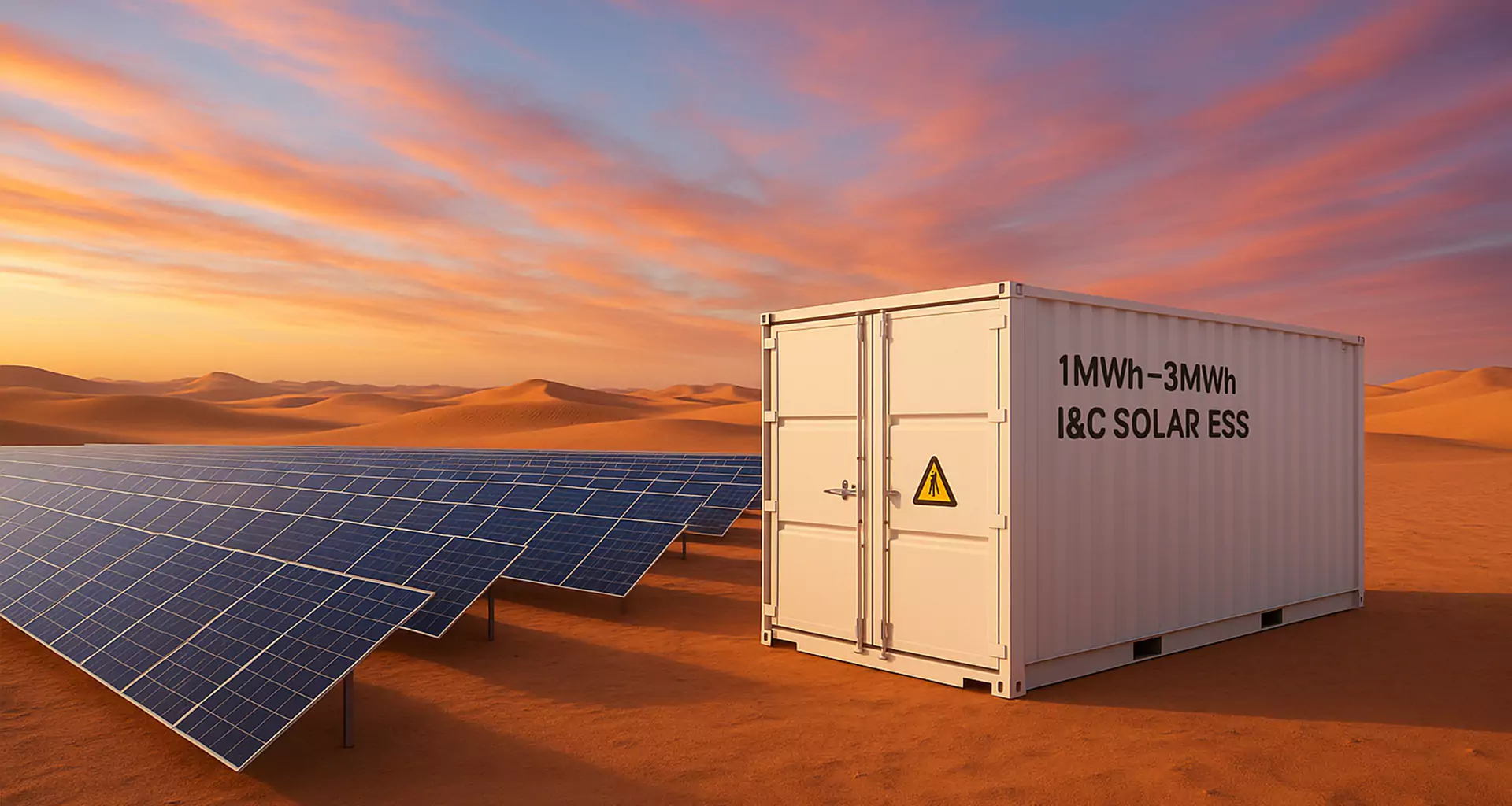
In short, the mobile battery energy storage system excels at storing and stabilizing energy, while the mobile solar container specializes in generating renewable electricity. Many modern energy projects in China, the UAE, Germany, and Southeast Asia now deploy both together: solar containers for generation and mobile BESS for buffering, peak shaving, and night-time supply — creating a durable, self-sufficient mobile microgrid.
Common Questions
-
- How long can a mobile storage system run? Usually 4–12 hours on batteries alone, depending on size.
- Can it replace diesel generators? In many applications, yes—especially hybrid configurations.
- Do I need CE for Europe? Absolutely. CE certification is mandatory for EU deployment.
- Is rooftop solar compatible? Yes, any PV array with compatible voltage range can charge it.
- Can multiple units form a grid? Most models support parallel and multi-unit coordination.
Reference Links
- IEA Global Grid & Storage Trends
- IRENA Energy Transition Insights
- U.S. DOE Energy Storage Programs
- Statista Battery Storage Market Data
- PV-Tech Global BESS Reports
Find Your Solar + Battery Storage Specialist Now!
* Fill out this form and our experts will help you find the perfect solar storage solution for your home or business.