
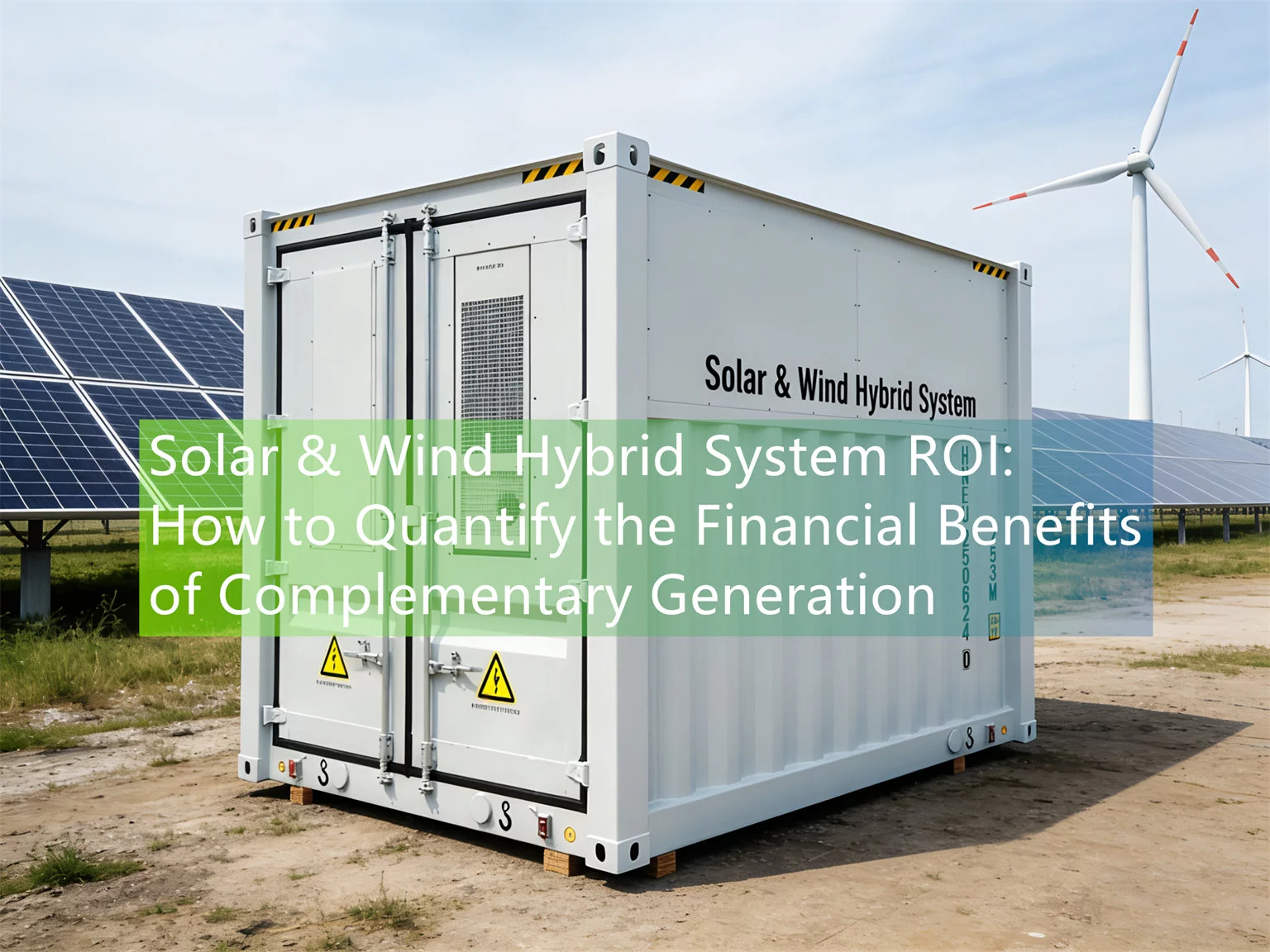
Solar & Wind Hybrid System ROI: How to Quantify the Financial Benefits of Complementary Generation
Facing rising energy costs and grid demands, solar and wind hybrid systems have evolved into a mainstream solution with a compelling return on investment (ROI). The core of this value lies in harnessing the financial benefits of complementary generation—where wind and solar’s natural production cycles combine to create a more reliable and profitable asset. This article provides a clear framework for quantifying solar & wind hybrid system ROI through the latest data and case studies. This article will delve into the financial logic behind these systems and provide a clear decision-making guide using the latest data and case studies.
What Drives the Superior ROI of a Combined Solar and Wind System?
The biggest challenge of single renewable energy sources is intermittency. Solar and wind power have a natural complementarity in terms of time and season: wind power may decrease during periods of strong sunlight, while it may increase at night or when there is no sunlight. This characteristic directly translates into two major financial advantages:
- Higher System Utilization and Grid Revenue: Hybrid systems can more fully utilize the capacity of a single grid connection point. Studies show that a co-located hybrid power plant can increase the utilization rate of the grid connection point to over 50%, significantly higher than the approximately 13% of a single photovoltaic power plant.
- Reduced Curtailment and Increased Revenue Streams: A smoother power generation curve means less energy waste. This enables hybrid systems to participate in more profitable electricity markets, increasing solar & wind hybrid system ROI, with opportunities like ancillary services such as frequency regulation.
The financial advantages, central to calculating solar & wind hybrid system ROI, are evident when comparing key performance metrics. The table below quantifies how a combined system outperforms single-source projects across critical dimensions:
| Evaluation Dimension | Single Solar Power Plant | Single Wind Power Plant | Solar-Wind Hybrid System |
|---|---|---|---|
| Energy Supply Continuity | Dependent on sunlight, no output at night | Dependent on wind speed, highly intermittent | Excellent, complementary within the day and seasonally |
| Land and Grid Connection Point Utilization | Average | Average | High, shared infrastructure |
| Flexibility in Participating in Electricity Markets | Limited, low output predictability | Limited, heavily influenced by weather | Strong, more stable output, can provide ancillary services |
| Typical Investment Payback Period | Approximately 7-10 years (depending on region) | Approximately 6-9 years (depending on region) | Can be shortened to 6-8 years or less |
Key Questions Answered: Key Considerations Regarding the ROI of Hybrid Systems
1. How does the higher initial investment translate into a faster ROI for a hybrid system?
Yes, the key lies in optimizing costs and revenues throughout the entire lifecycle. Although it requires purchasing and installing two sets of power generation equipment upfront, complementary power generation reduces the need for over-configuring energy storage systems to ensure power supply, thus controlling overall costs. More importantly, the hybrid system can generate more saleable electricity, enhancing the financial benefits of complementary generation.
Data Verification:A study on an integrated solar-wind multi-generation system with hydrogen production showed that after AI optimization, the system achieved an energy efficiency of 22.58%, and calculated a payback period of approximately 6.37 years under the assumption of a 10% interest rate and a 20-year lifespan. Another study on a multi-energy complementary system for domestic heating and cooling also showed that the payback period under optimal configuration is approximately 7.93 years.
2. How to Accurately Predict and Maximize ROI from Your Solar & Wind Hybrid System?
Maximizing revenue depends on refined design and operation, not just the simple stacking of equipment.
Design Phase: It is essential to use professional tools (such as HOMER Pro, NREL’s HOPP platform) for 8760-hour (hourly throughout the year) simulations. This can identify the optimal capacity ratio of solar and wind power, as well as the economic scale of the energy storage system.
Operation Phase: Introducing an energy management system (EMS) for multi-time scale rolling optimization is crucial. A case study of a 3.7 MW operational wind-solar power plant on the west coast of Sweden showed that participating in day-ahead and balancing markets through EMS can increase profits by 3.9% compared to participating in only a single market.
3. What technological innovations are improving the economics of hybrid systems?
Currently, two major technological trends are significantly improving the economic model of hybrid systems:
AI Optimization for Solar & Wind Hybrid Systems: AI algorithms (such as the Dragonfly Optimization Algorithm) can be used for real-time scheduling decisions and multi-objective optimization, directly enhancing the ROI of a solar & wind hybrid system. The aforementioned research proves that AI optimization can reduce the total system cost rate by 16.9% and reduce environmental impact by 5.9%.
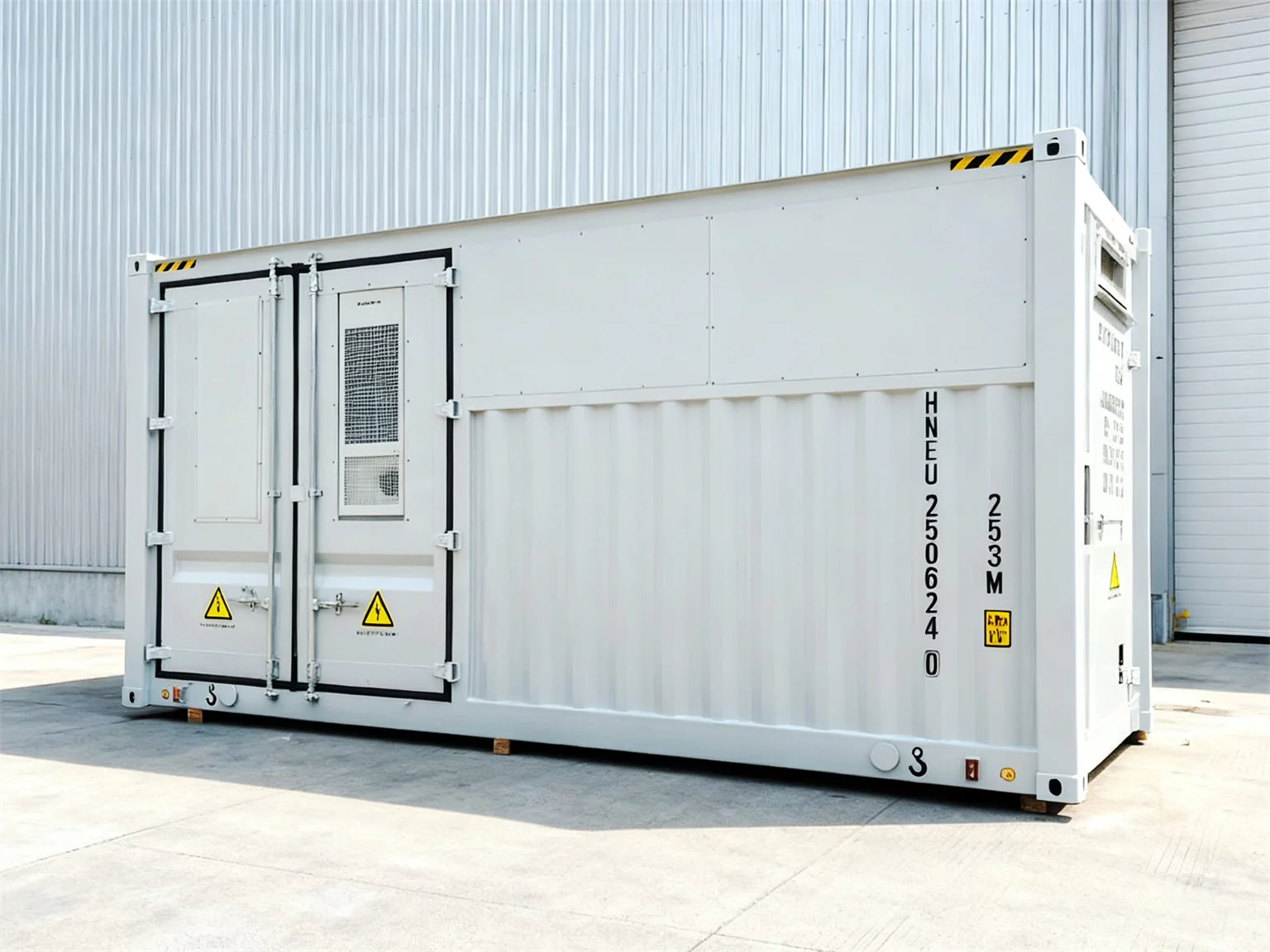
Advanced Energy Storage and Hybrid Inverters: Energy storage is key to smoothing output. Studies show that for a 3.7 MW power plant, configuring a 2 MWh battery can maximize net revenue in market trading; an oversized battery will offset additional revenue due to degradation costs. Meanwhile, modern hybrid inverters (such as SAJ’s H2 series or Luxpower’s GEN2 series) support the intelligent coupling and management of multiple input sources such as solar, wind, batteries, and generators, making them core hardware for achieving efficient and stable system operation.
4. Besides selling electricity, what other ways are there to generate revenue?
The value of hybrid systems has gone beyond being just a “power generation unit,” and they are becoming diversified energy assets:
Enhancing ROI with Green Hydrogen Production: In areas rich in wind and solar resources but with limited grid capacity, using surplus electricity to electrolyze water to produce hydrogen has become a high-value-added option. Studies show that an optimized system can produce over 215 kilograms of hydrogen per hour, with production costs as low as $7.49/kg, making it market competitive.
Providing grid services: Due to their fast and flexible adjustment capabilities, hybrid power plants can obtain considerable revenue by participating in ancillary service markets such as frequency regulation and reserve capacity.
Creating off-grid energy hubs: For communication base stations, remote mining areas, islands, and rural areas, wind-solar hybrid systems combined with energy storage are the most economical solution to replace expensive diesel power generation and achieve energy independence and sustainable development.
Conclusion: Key Decision Points for Investing in High-Efficiency Energy
Ultimately, investing in a solar & wind hybrid system is an investment in the strategic value of energy complementarity. The compelling ROI of this combined system is firmly rooted in the financial benefits of complementary generation—delivered through higher utilization, diversified revenue, and intelligent operation. When making decisions, you need to:
- Conduct accurate resource assessment and simulation: Do not rely on average data; you must analyze the specific annual solar radiation and wind speed time series curves for the local area.
- Choose modular and intelligent core equipment: Prioritize scalable inverters and energy storage systems with intelligent energy management capabilities, leaving room for future upgrades and participation in market trading.
- Develop a comprehensive revenue model: Include electricity sales, ancillary service revenue, carbon emission reduction benefits, and even hydrogen sales revenue in the financial evaluation framework.
- Seek professional technical and operational partners: System design optimization and subsequent market trading strategies are complex, and collaborating with experienced solution providers is crucial.
Ultimately, a carefully designed and intelligently operated wind-solar hybrid system can not only provide energy resilience against climate risks and price fluctuations but also become a robust asset that generates stable cash flow throughout its entire lifecycle.
Find Your Solar + Battery Storage Specialist Now!
* Fill out this form and our experts will help you find the perfect solar storage solution for your home or business.