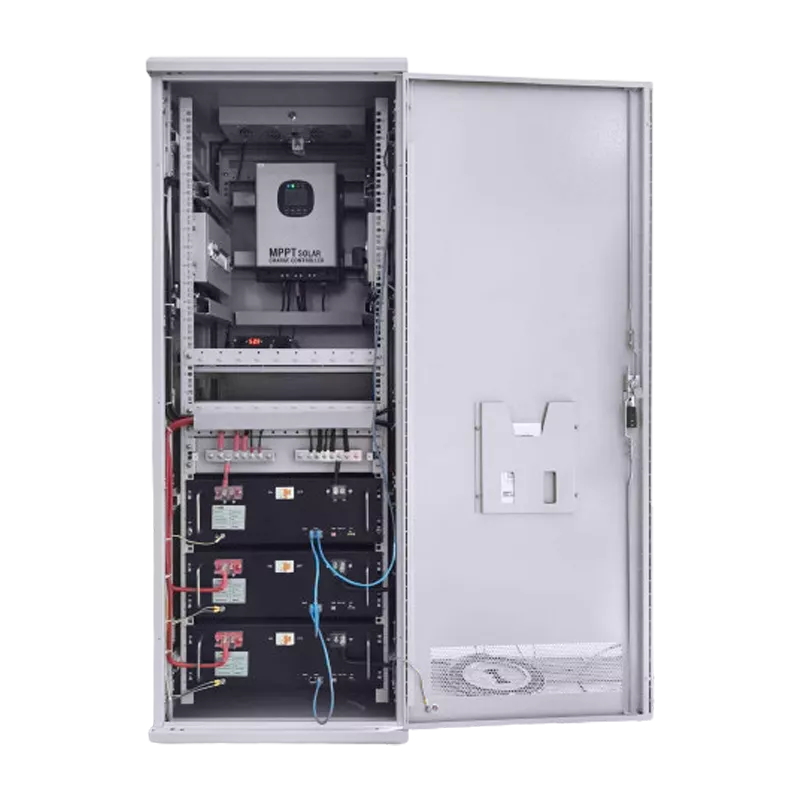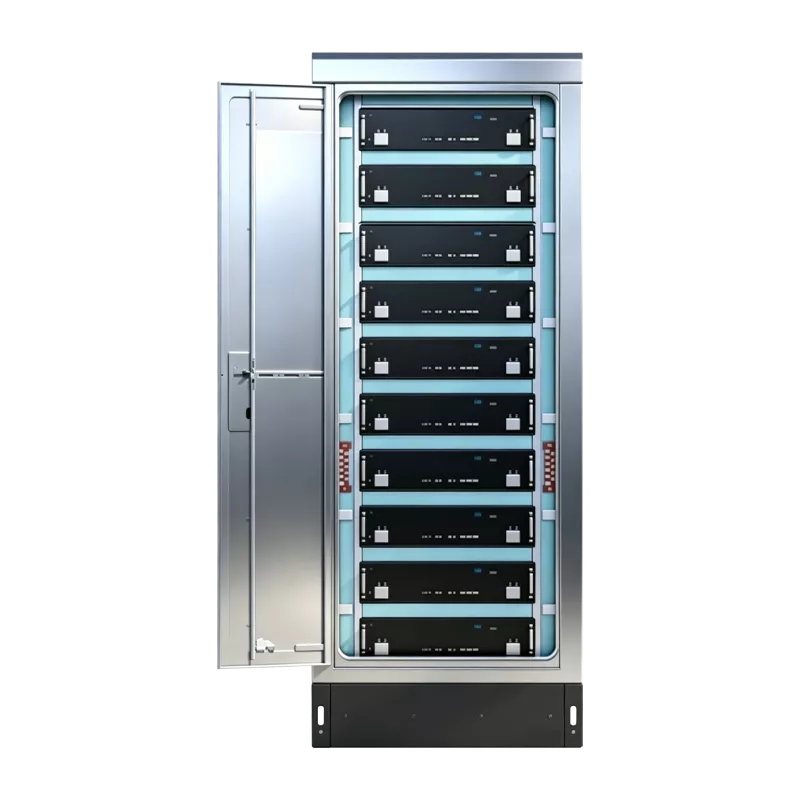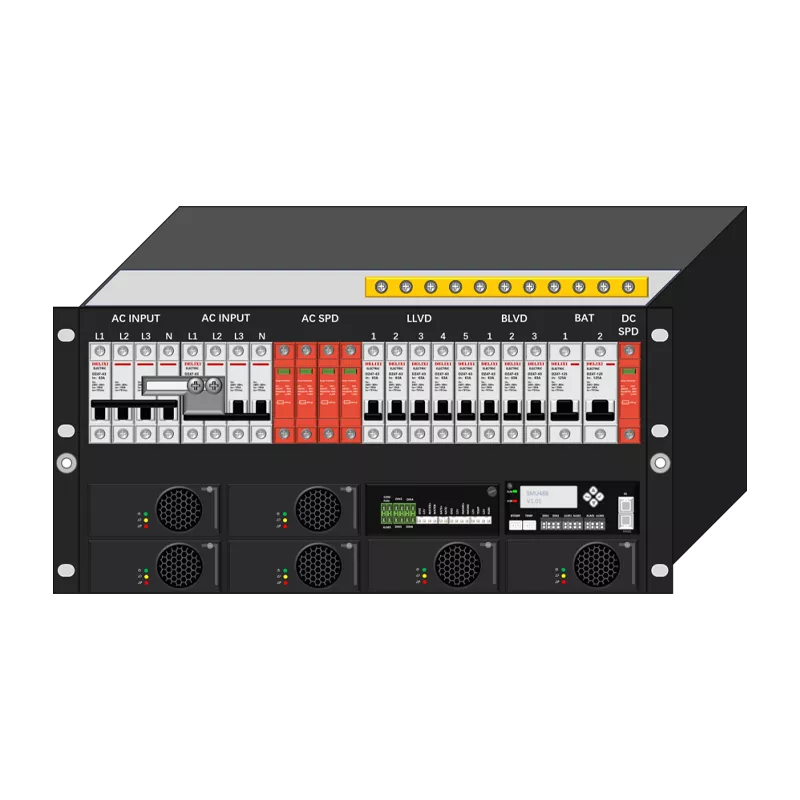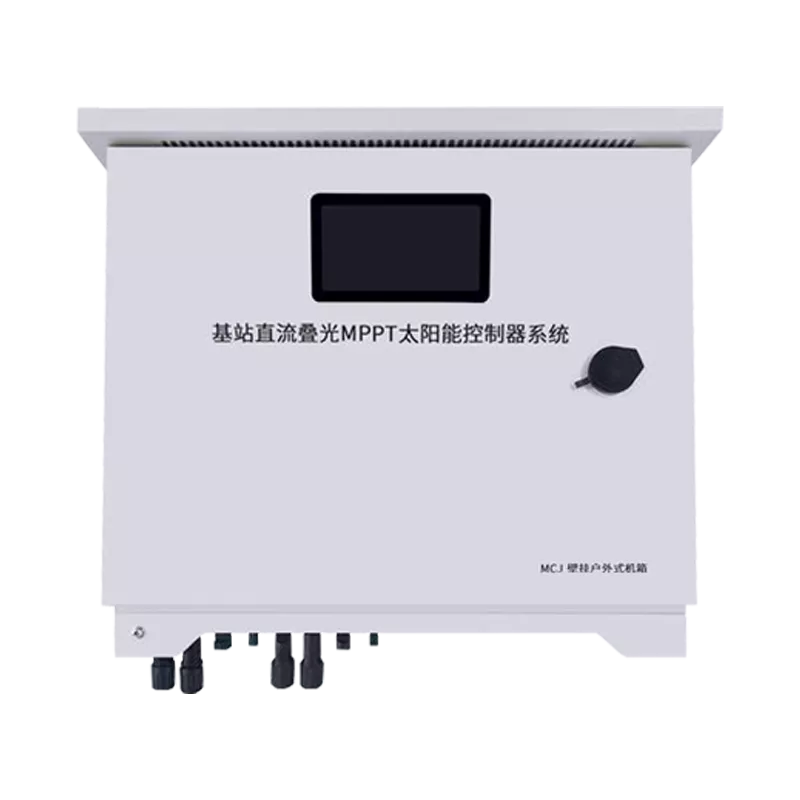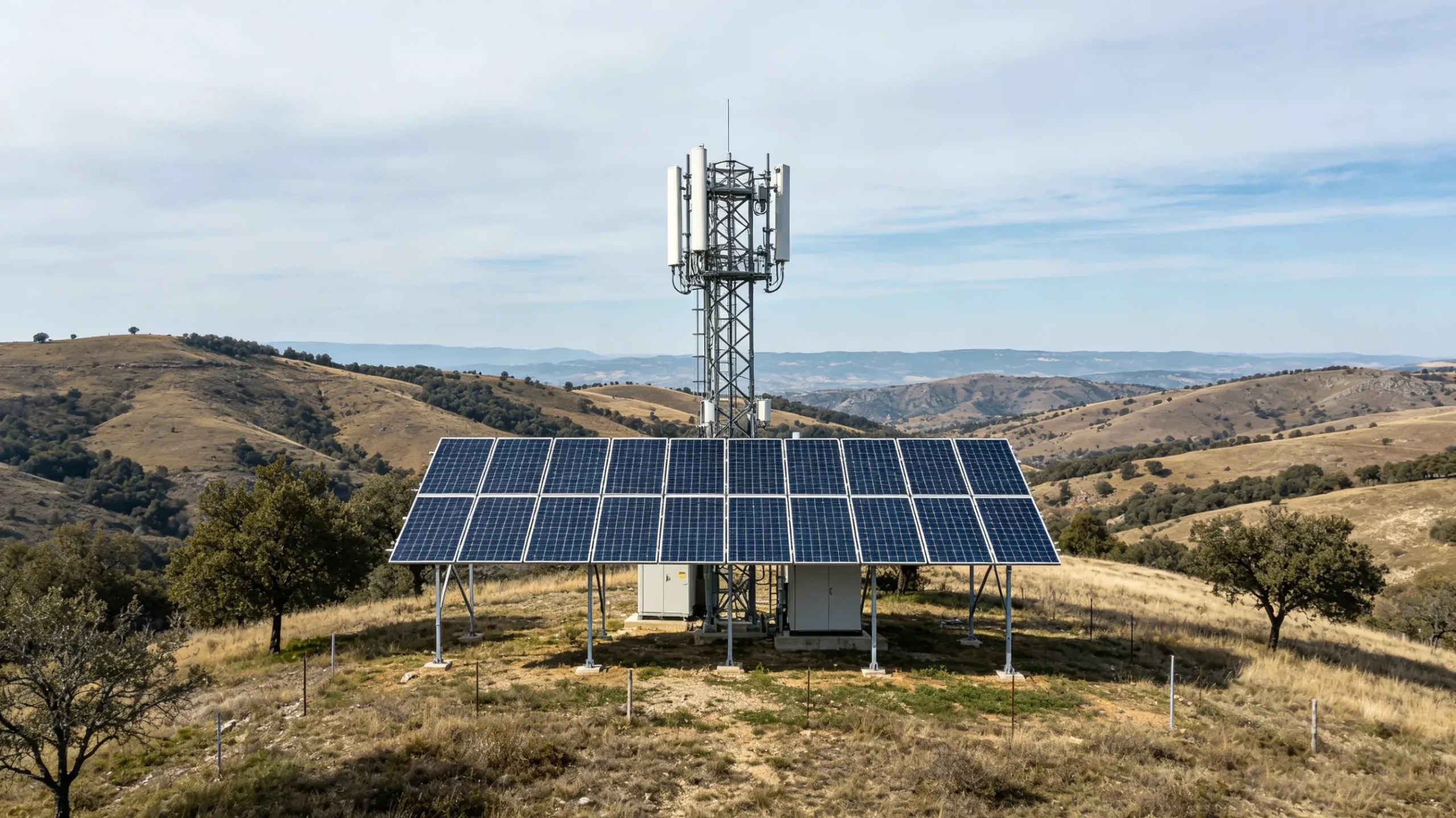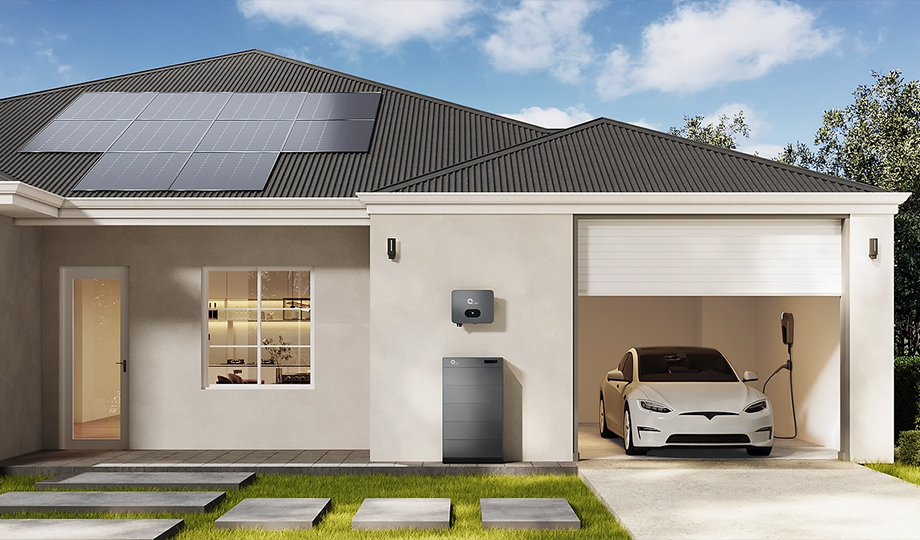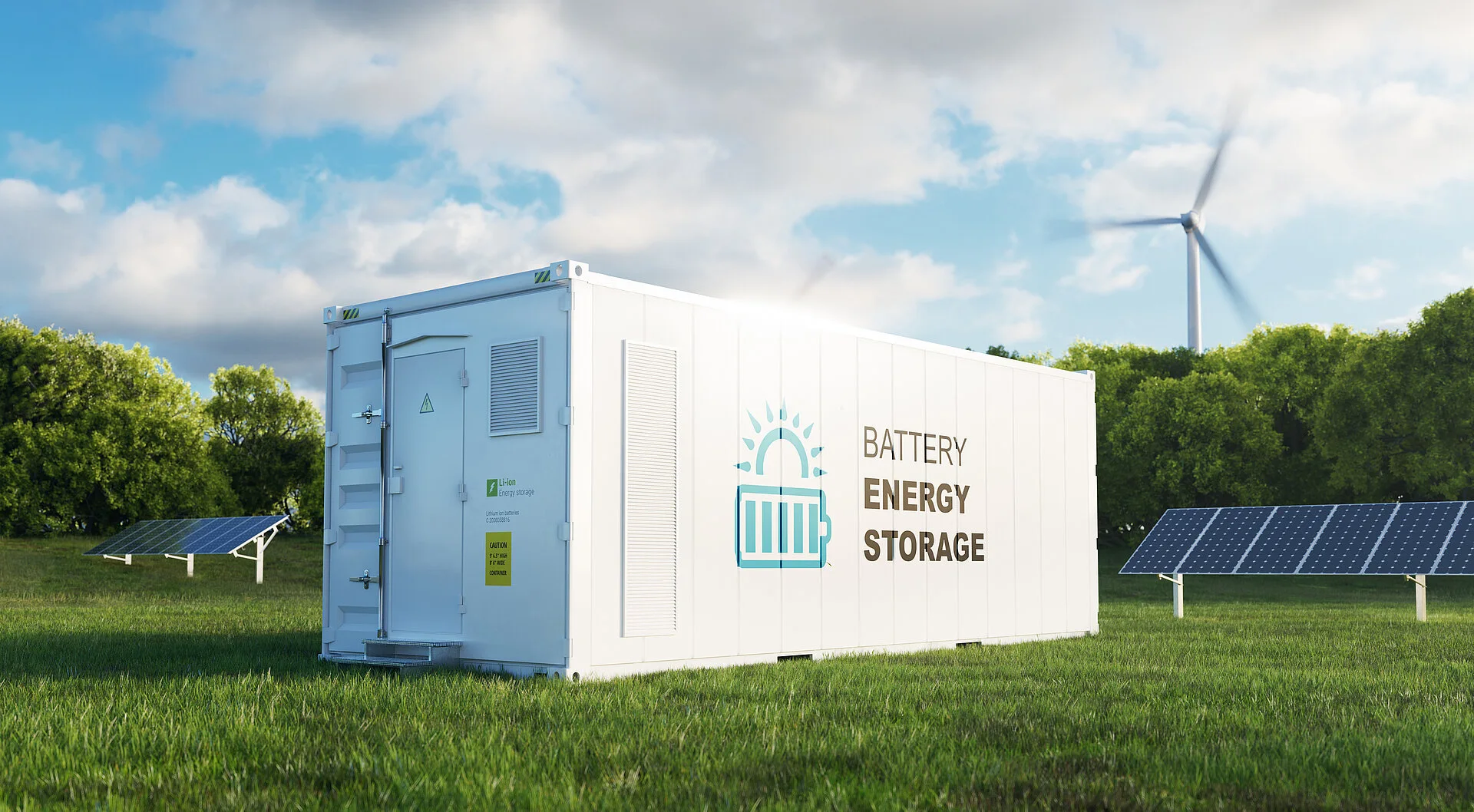


The project is located in a region of Brazil with abundant sunlight, harnessing the local solar resources to provide clean, renewable power. It aims to optimize the local energy structure and reduce reliance on traditional fossil fuels.
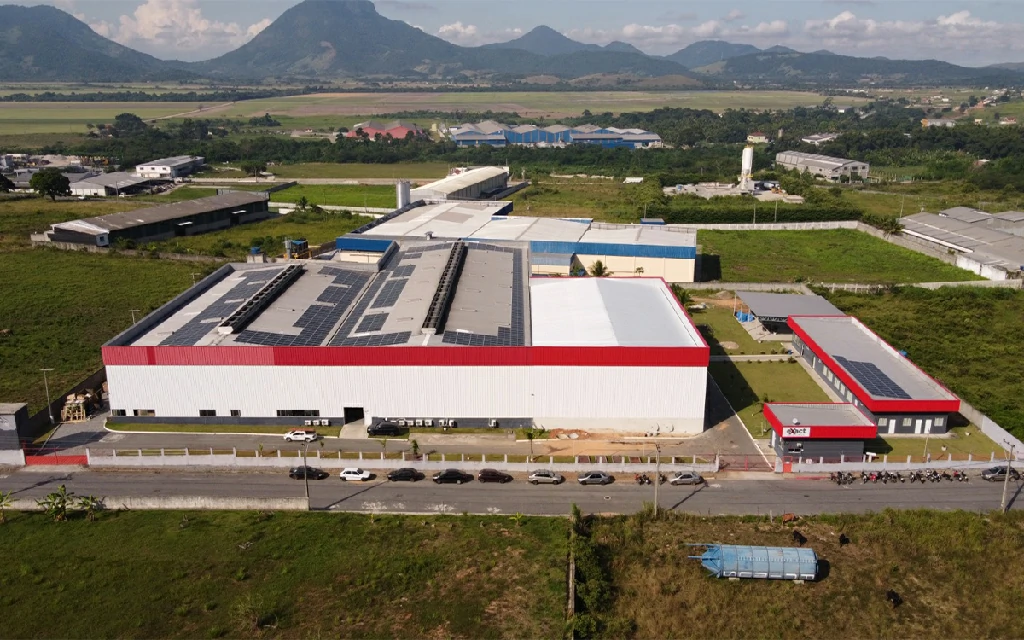
Project Introduction
As the largest and most populous country in South America, Brazil has massive and continuously growing energy demands.
This project is located in a region of Brazil with abundant sunlight, harnessing the local solar resources to provide clean, renewable power, optimize the local energy structure, and reduce dependence on traditional fossil fuels.
Project Details
Project Scale: The total installed capacity is approximately 50 MW, covering an area of about 200 hectares, capable of meeting the electricity needs of 30,000 households.
Construction Period: 2 years, including project planning, equipment procurement, civil construction, installation, and commissioning, with strict quality and safety control at each stage.
Applications
The electricity generated by the project is integrated into the Brazilian power grid, supporting industrial, commercial, and residential electricity needs in the surrounding areas. In collaboration with local energy management authorities, the system utilizes smart scheduling and optimization to enhance grid efficiency and stability, minimizing the impacts of power shortages or instability.
Main Equipment
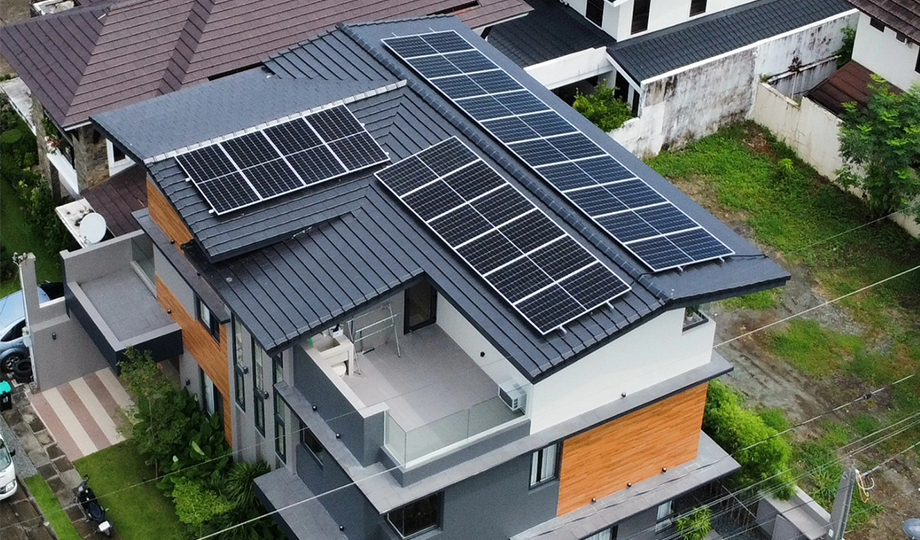
Photovoltaic Modules: Monocrystalline silicon solar panels with a conversion efficiency of 20%, a lifespan exceeding 25 years, and high stability.
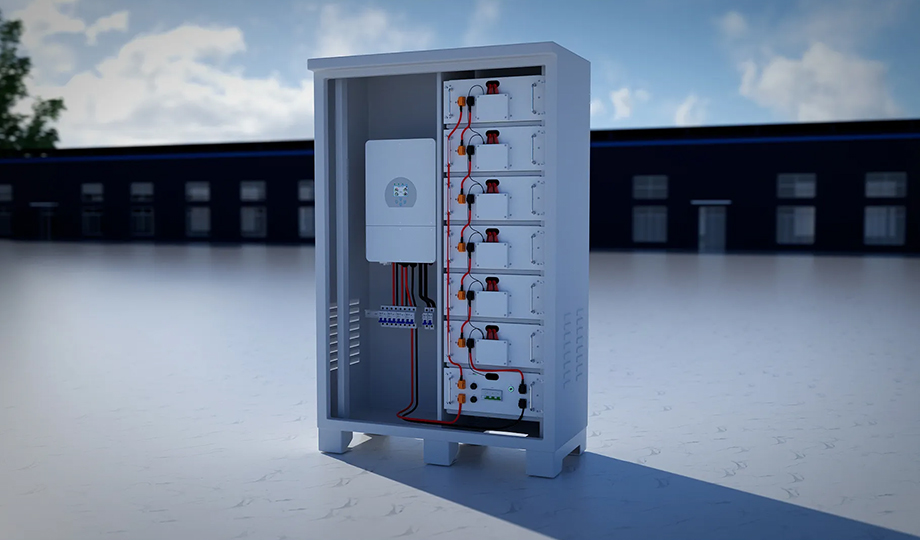
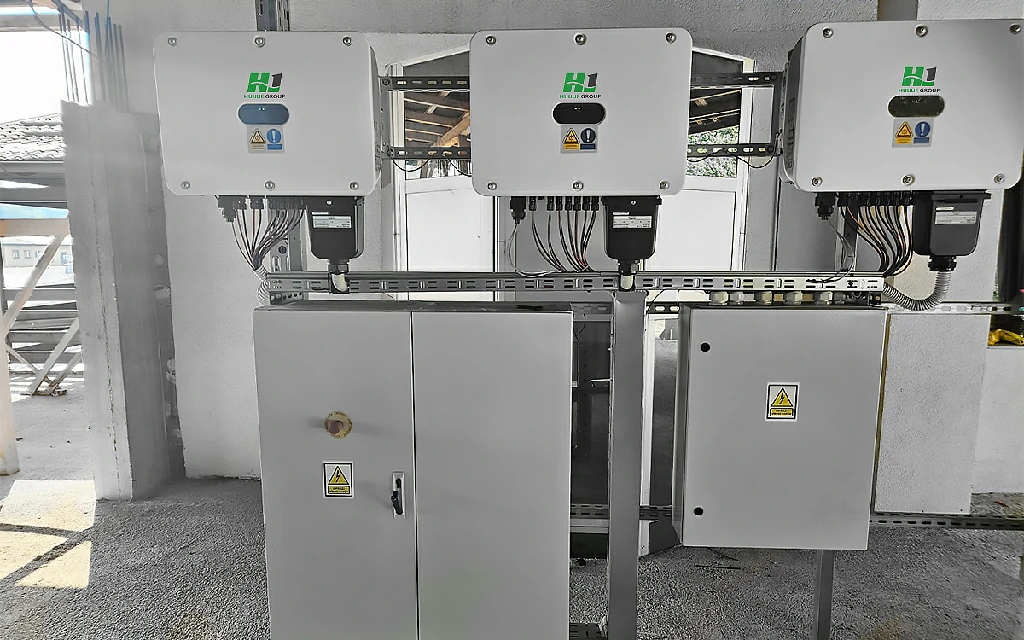
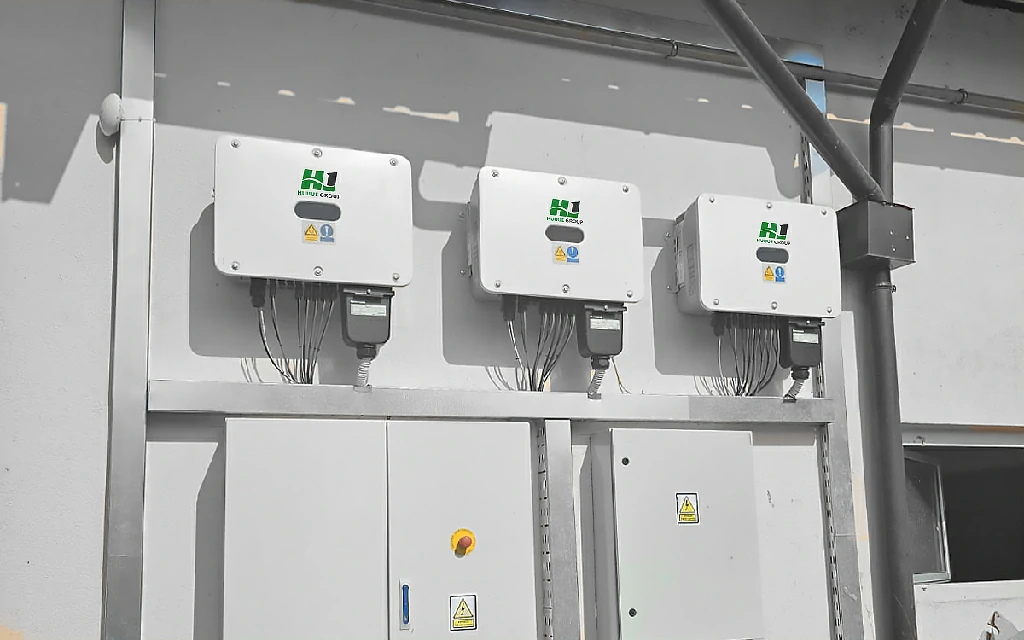
Inverters: Conversion efficiency of 98.5%, equipped with intelligent monitoring, fault diagnosis, and protection functions.
Mounting System: Fixed mounting systems with custom tilt angles and spacing, adapted to the local environment to improve power generation efficiency.
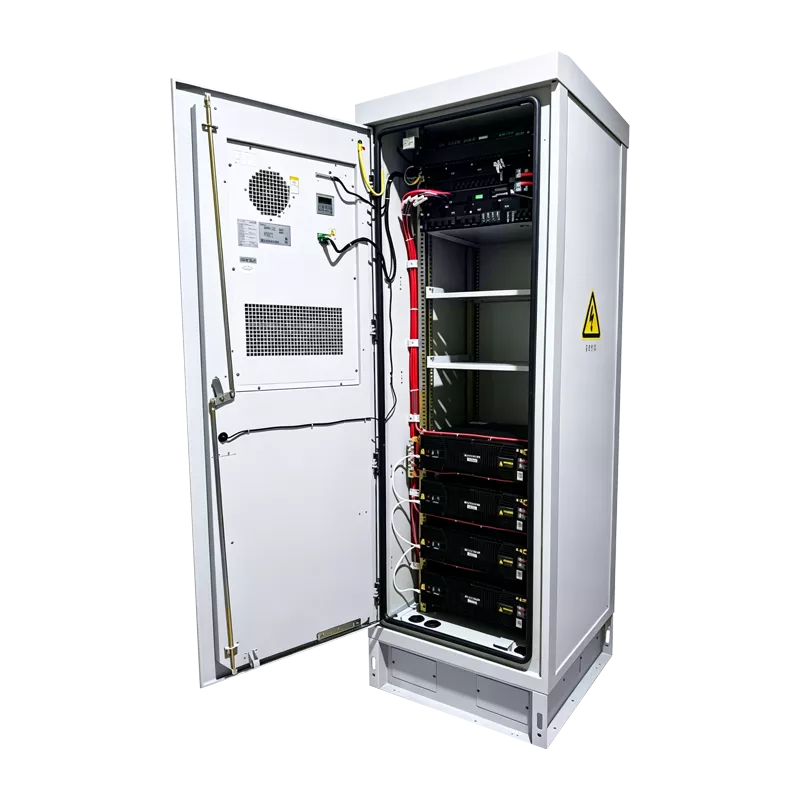
Intelligent Monitoring System: Using sensors, data collectors, and other devices to monitor power generation, equipment temperature, faults, and other data in real-time. This system enables remote management, improving operation and maintenance efficiency by 30% and reducing O&M costs by 20%.