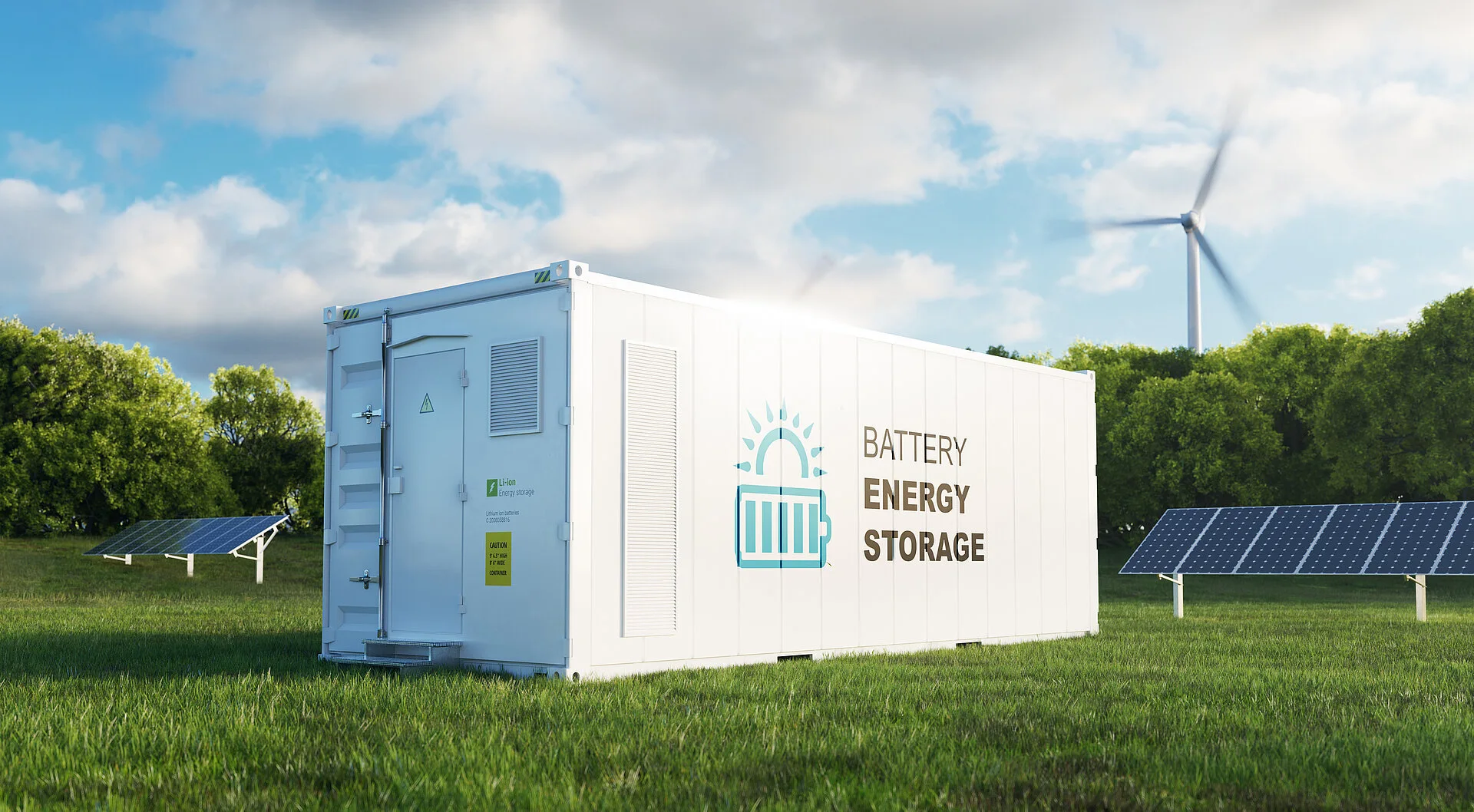


The 12MWh containerized energy storage project was developed by a professional energy team, aiming to utilize advanced energy storage technology to optimize the local energy structure, enhance grid stability, and inject new vitality into the development of Belgium’s energy sector.
Project Introduction
In the wave of energy transition, Belgium is committed to enhancing the flexibility and sustainability of its energy system. The 12MWh containerized energy storage project was developed by a professional energy team, aiming to leverage advanced energy storage technology to optimize the local energy structure, enhance grid stability, and inject new vitality into Belgium’s energy development.
Project Details
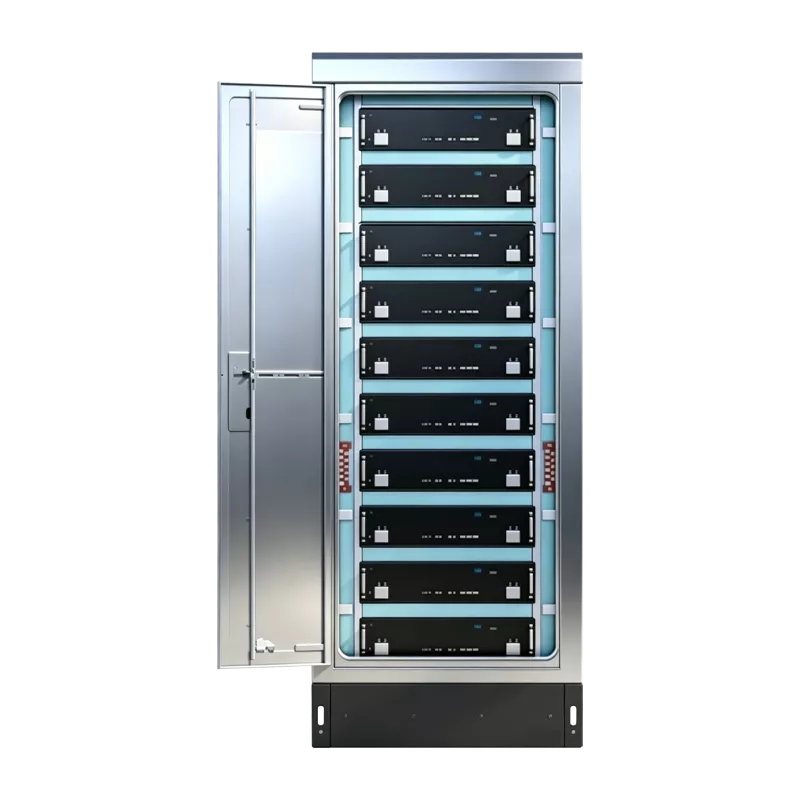
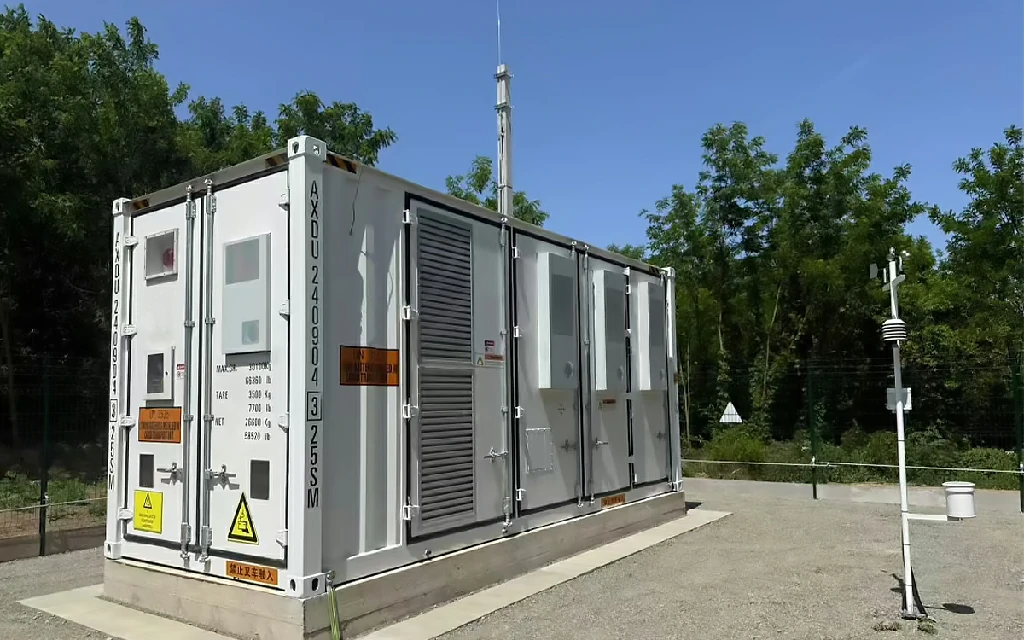
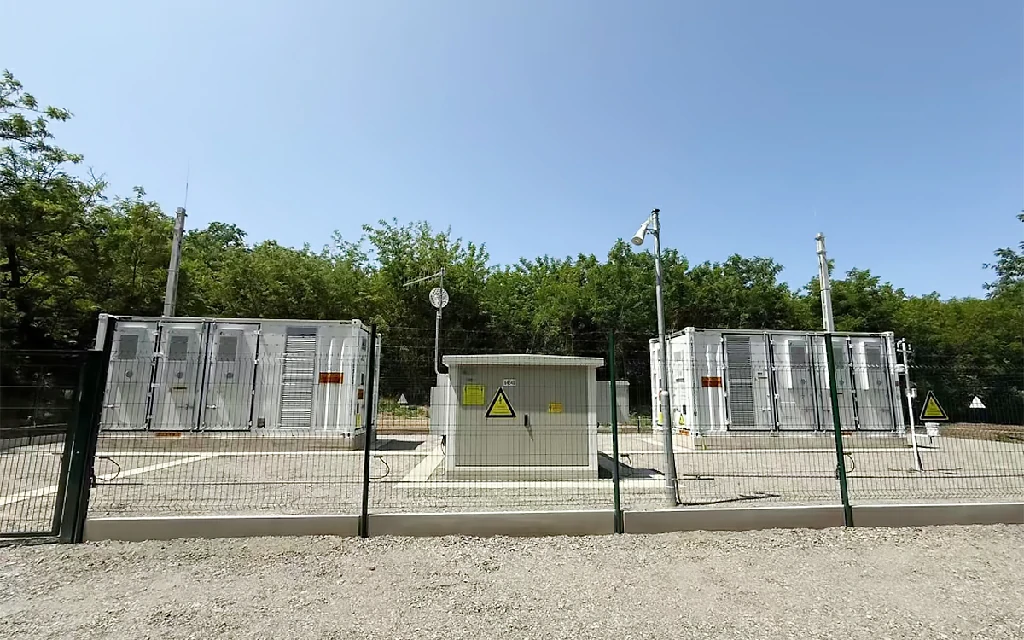
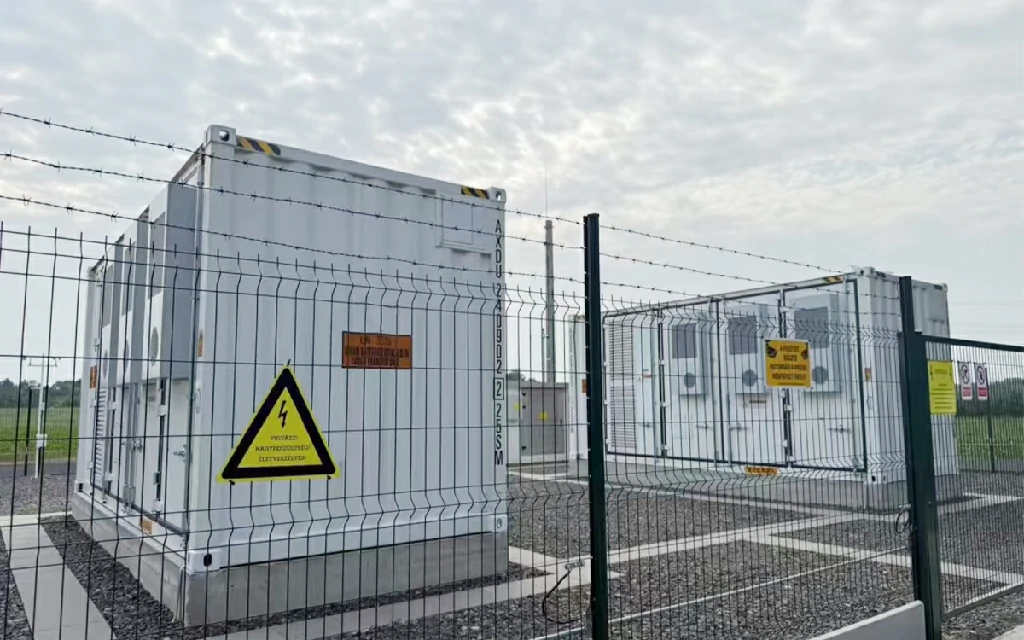
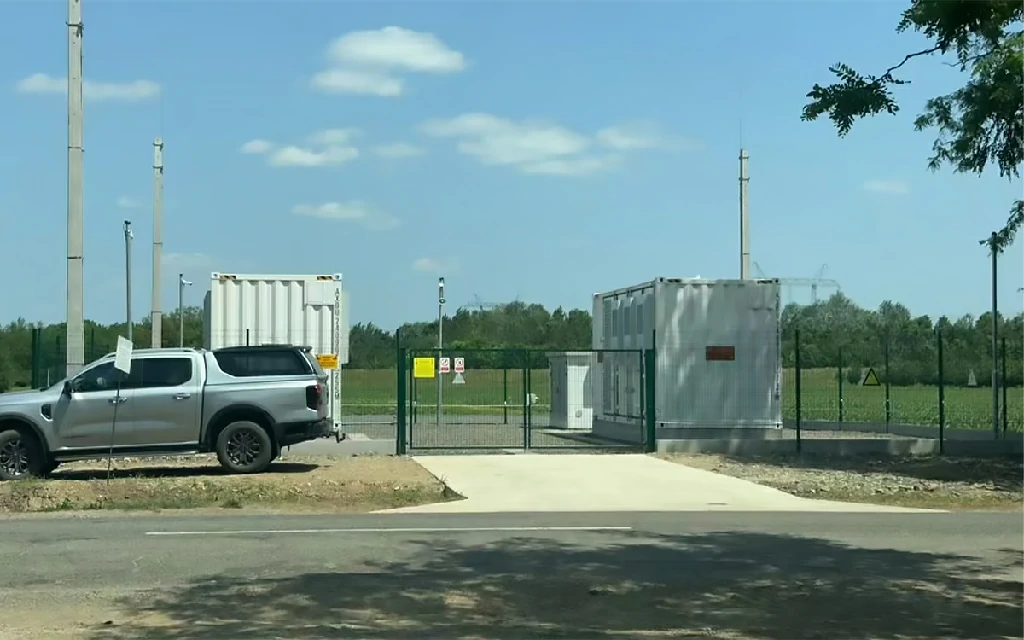
The project is located at a key energy node in Belgium and is equipped with 12 high-performance containerized energy storage units, each with a 1MWh capacity. The storage system uses lithium iron phosphate (LiFePO4) batteries, known for their long lifespan, high energy density, and excellent safety performance.
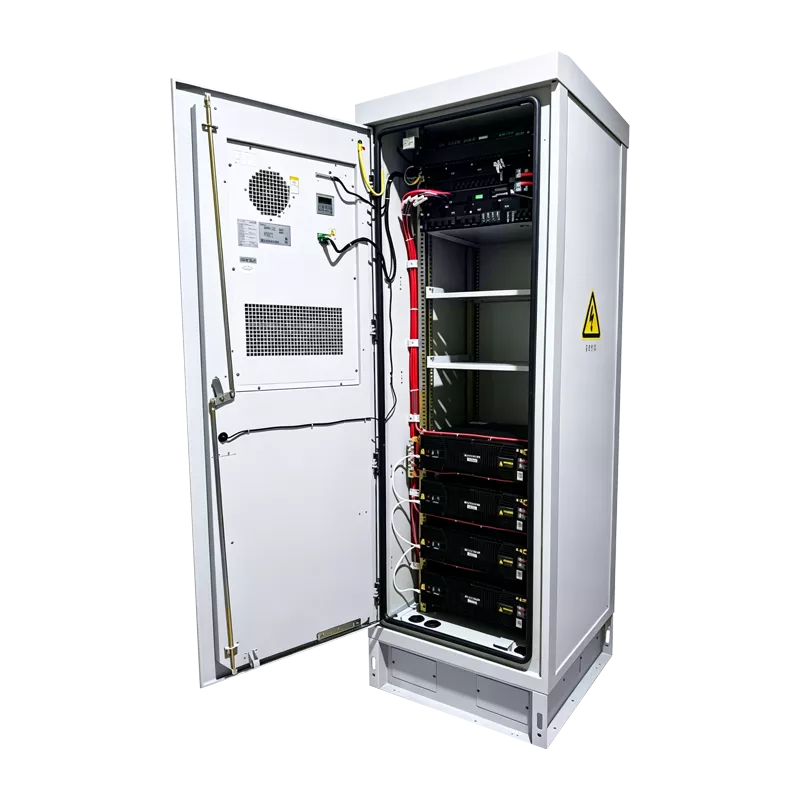
Each container is custom-designed with complete features such as thermal insulation, fire protection, and ventilation to ensure efficient operation of the batteries in an optimal environment.
The entire storage system is precisely integrated with the local grid and managed through an advanced Energy Management System (EMS), enabling intelligent storage, release, and regulation of electricity. It can quickly respond to grid dispatch instructions, and when operating at full capacity, it can discharge for over 4 hours, effectively filling power gaps and balancing grid peak and valley fluctuations.
Applications
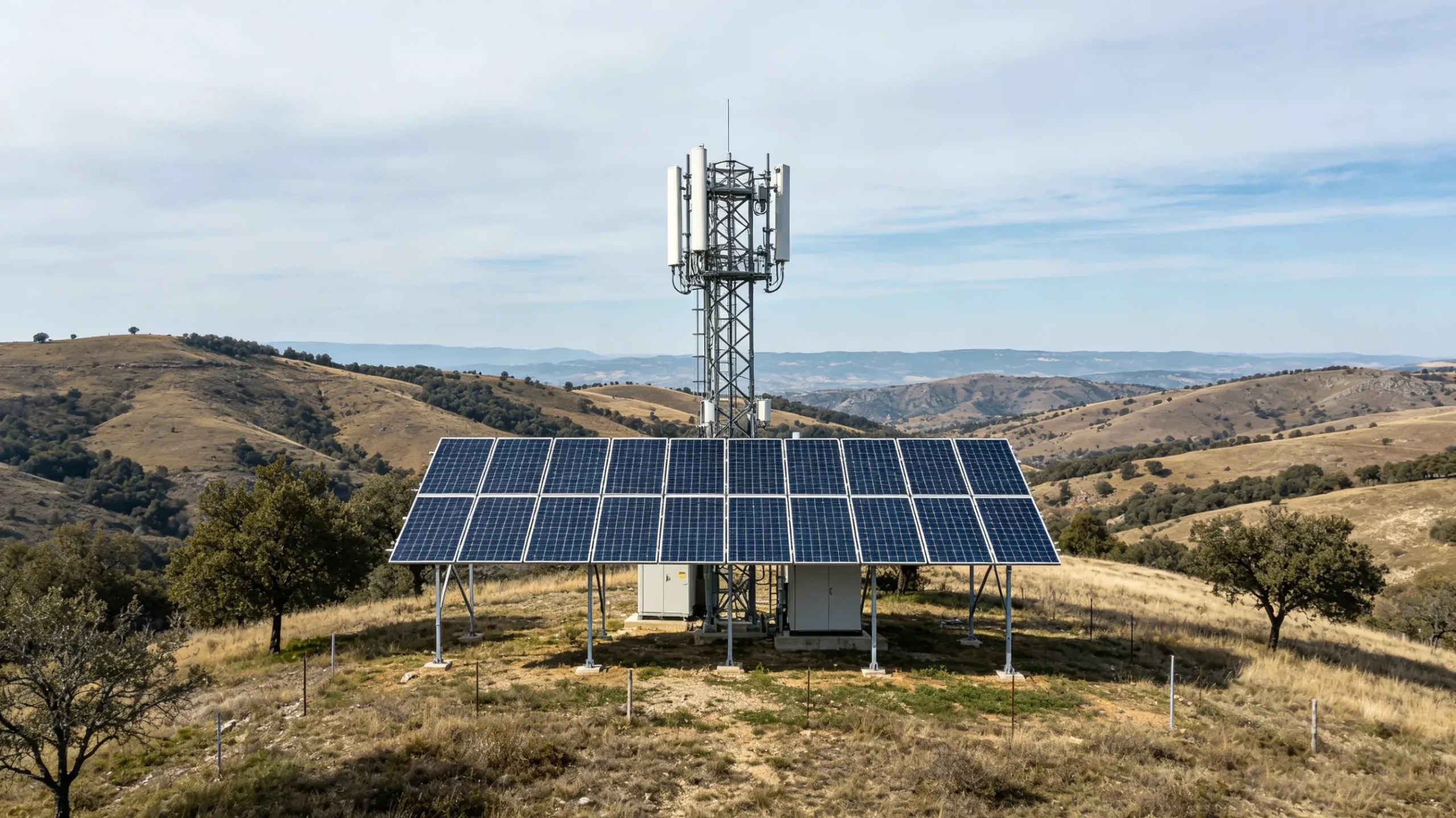
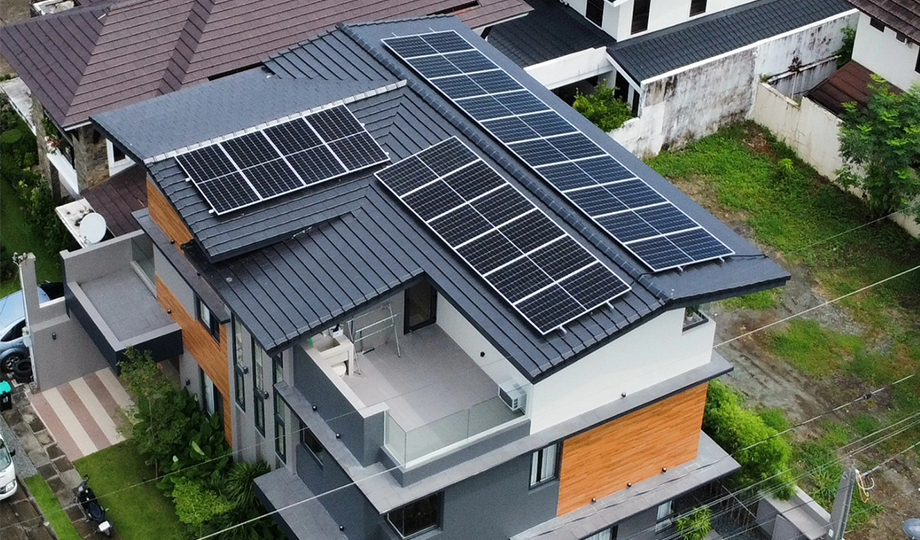
The system is primarily used for grid peak shaving and frequency regulation, alleviating pressure during peak electricity demand and improving grid frequency stability. It plays a key role in the integration of renewable energy, storing intermittent energy from wind and solar power, and converting it into stable electricity output, thus reducing curtailment of wind and solar energy.
Main Equipment
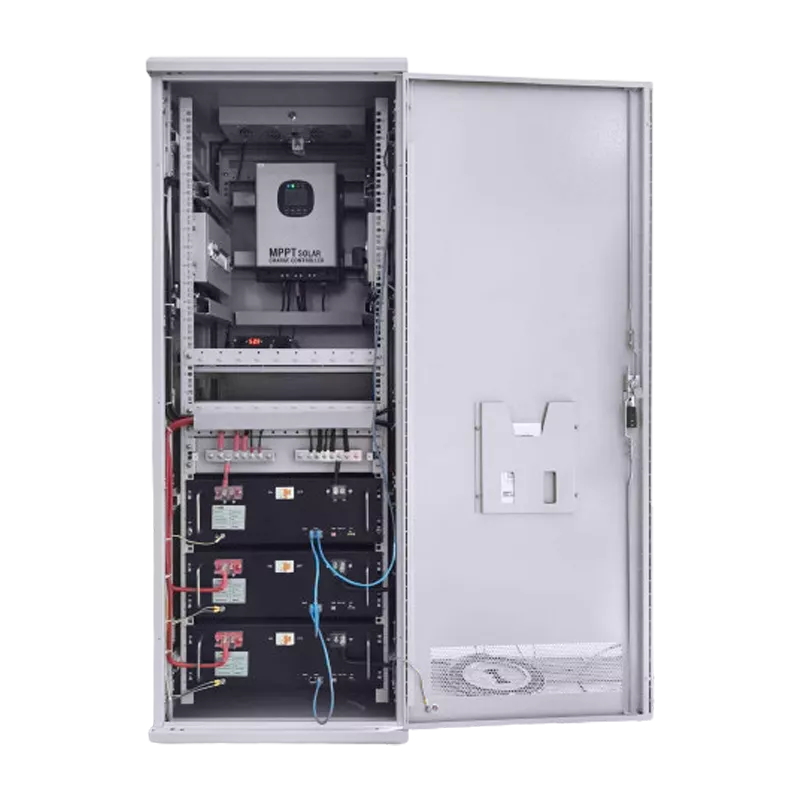
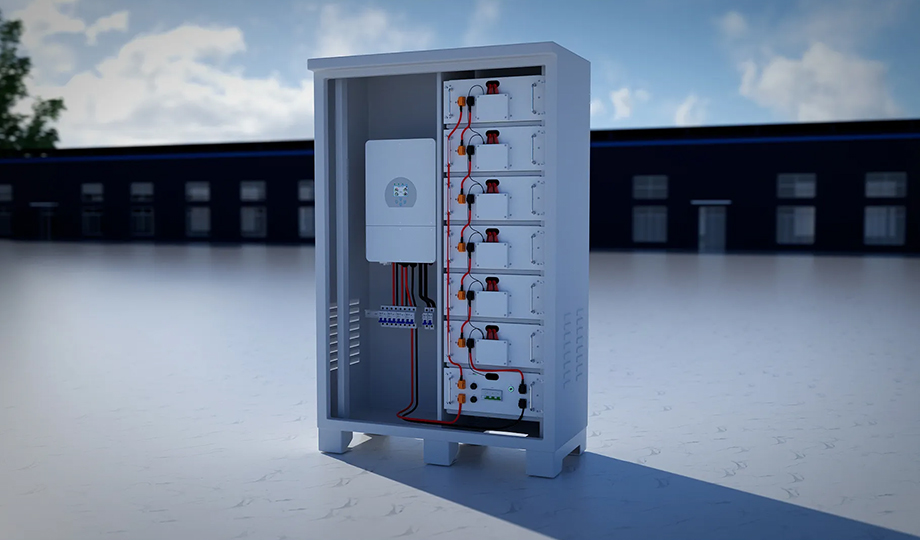
Lithium Iron Phosphate (LiFePO4) Battery Pack: The core energy storage component, consisting of numerous individual battery cells, ensuring large-capacity energy storage with excellent charge and discharge performance.
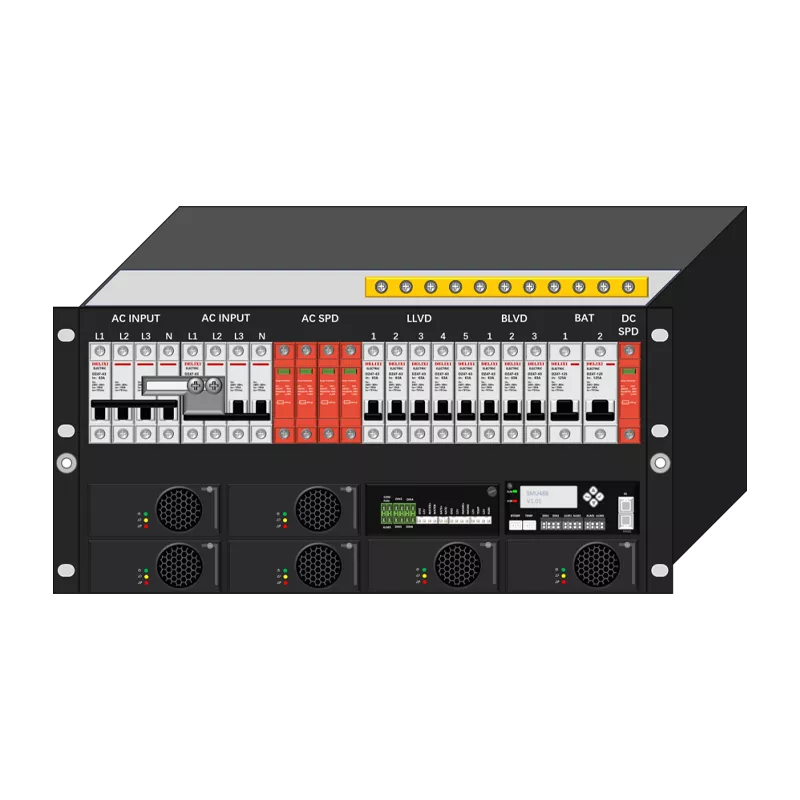
Energy Storage Inverter (PCS): Responsible for bi-directional energy conversion, controlling the charge and discharge process, converting DC to AC to adapt to grid connection requirements.
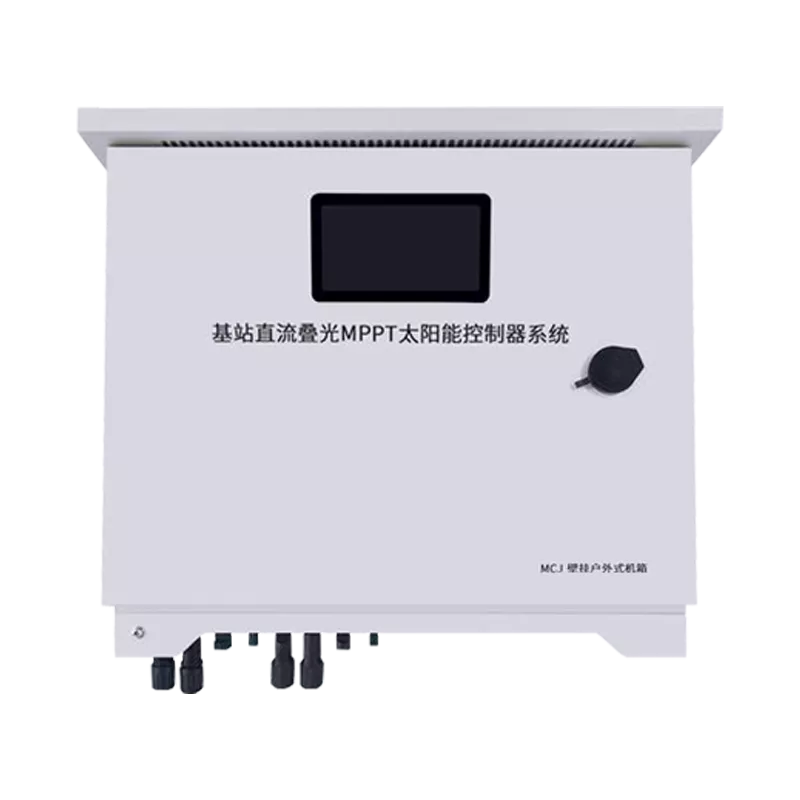
Energy Management System (EMS): The intelligent “brain” of the system, which monitors the grid status, battery charge, and health in real time, and formulates precise charge and discharge strategies.
Container Body and Auxiliary Facilities: Provides a robust, secure, and temperature-controlled environment for the batteries, ensuring long-term stable operation of the system.