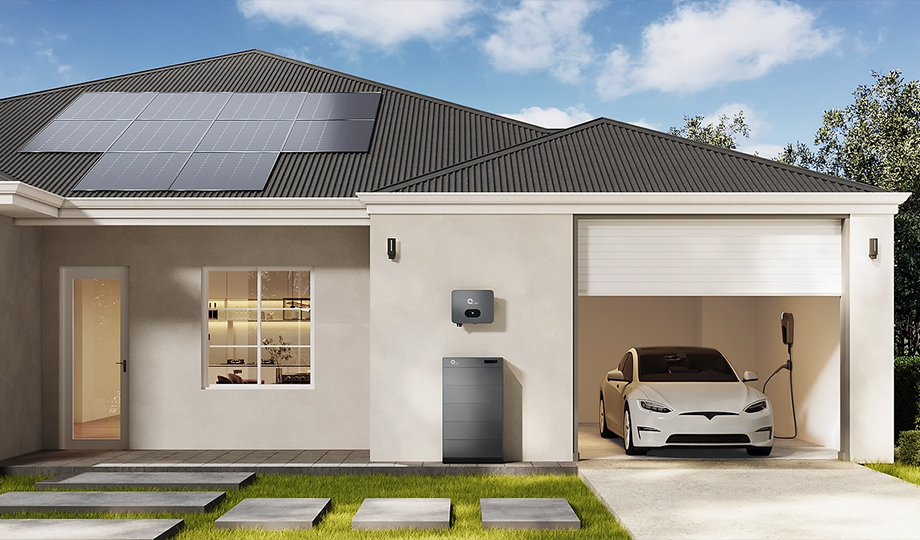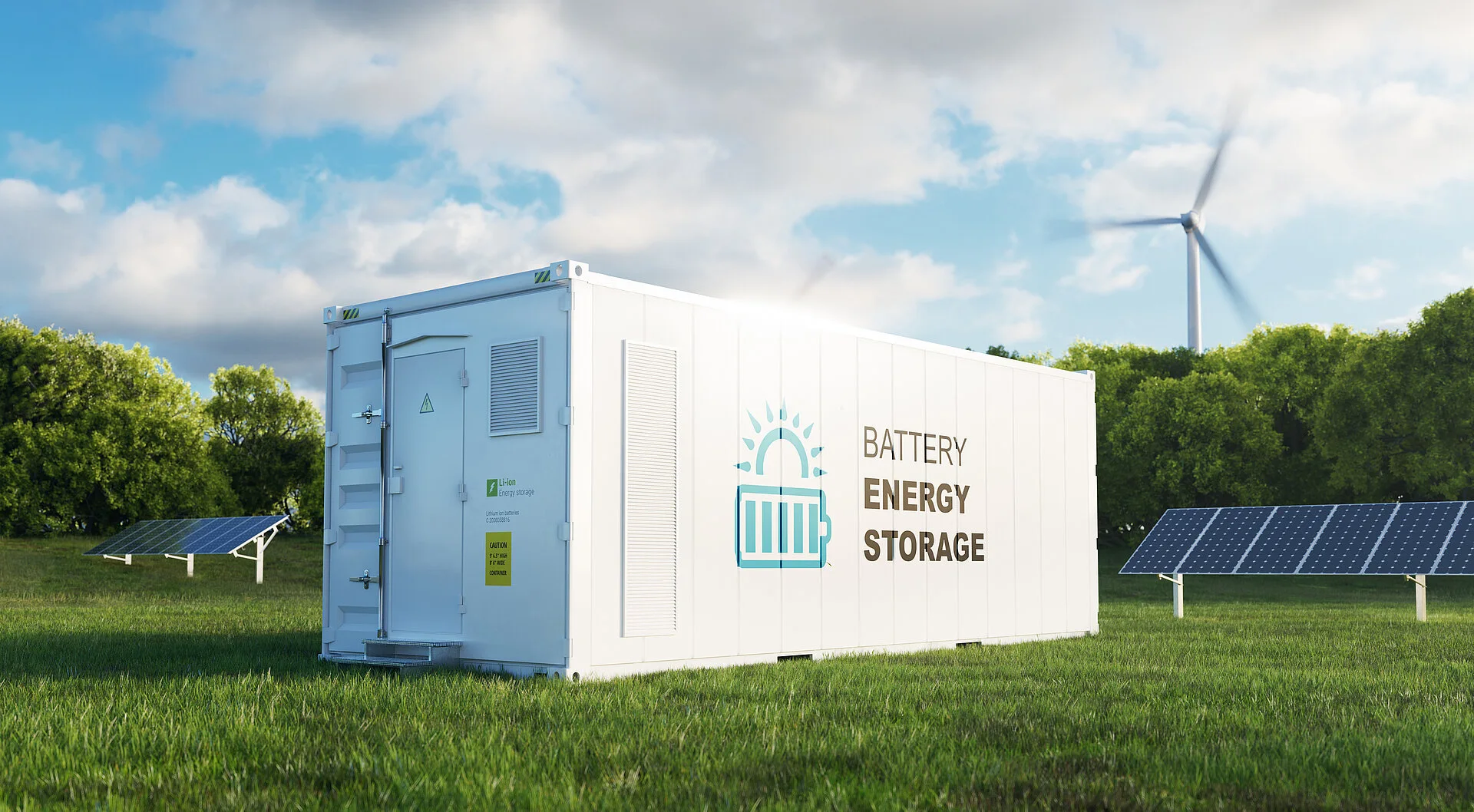


The project uses advanced energy storage technology to build an efficient and reliable storage system, integrated with local renewable energy generation and the traditional grid. It optimizes the power supply structure, meets Moldova’s growing electricity demand, and promotes the sustainable development of the local energy sector.
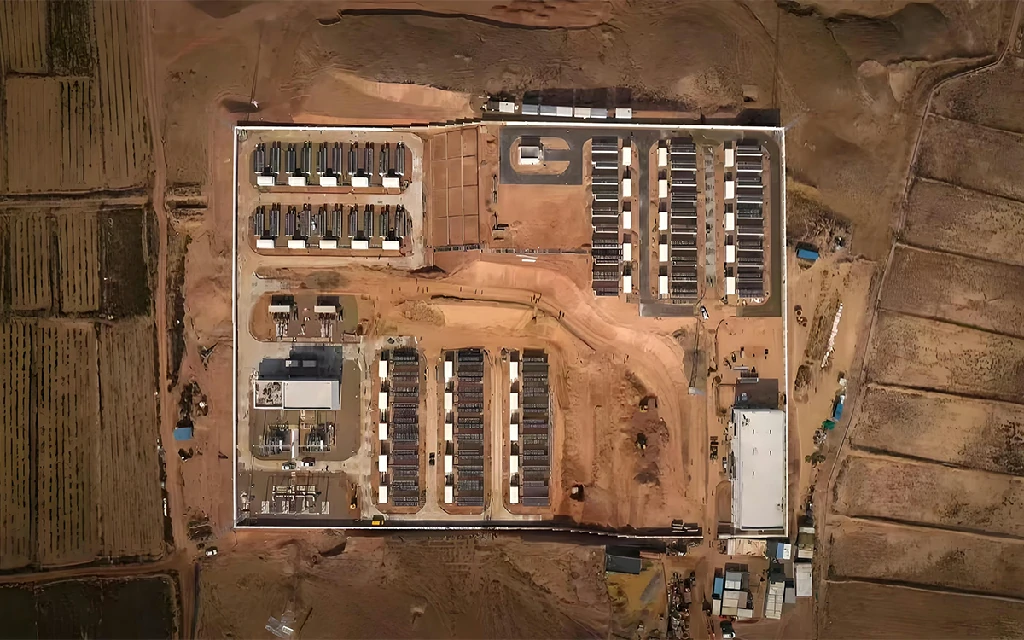
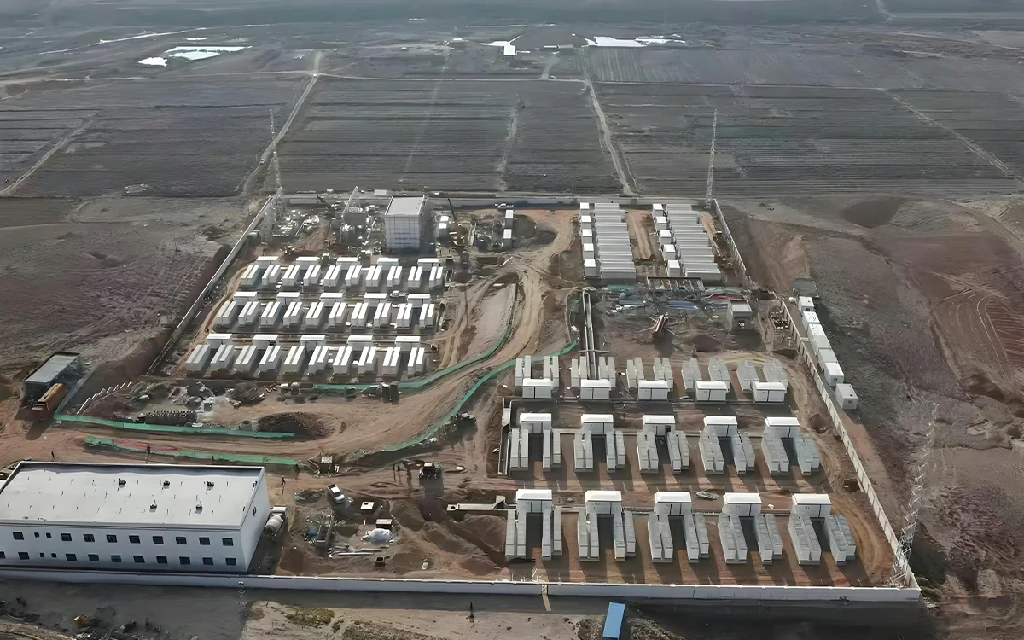
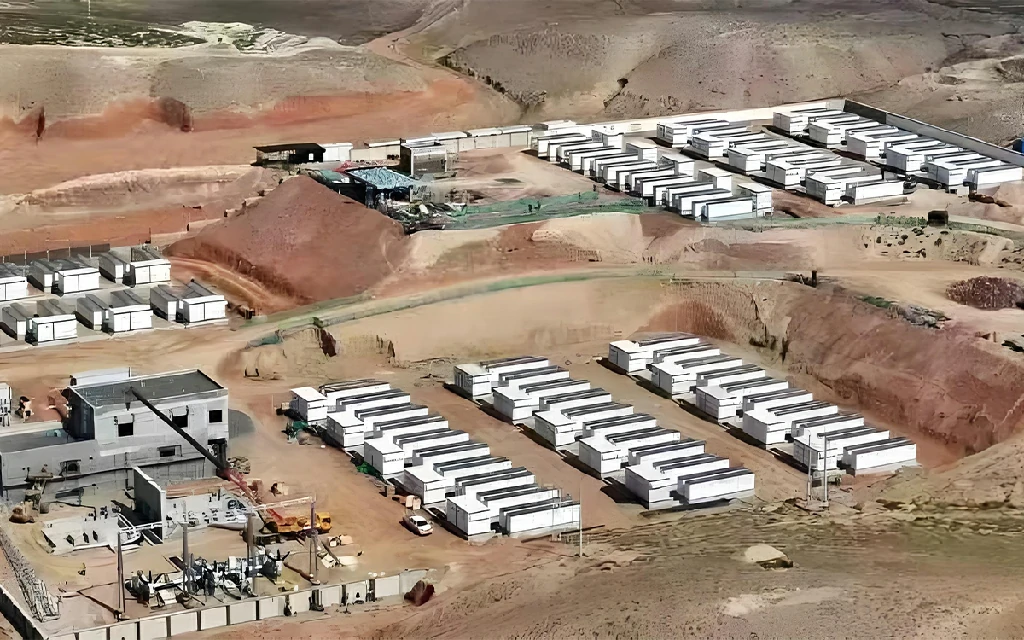
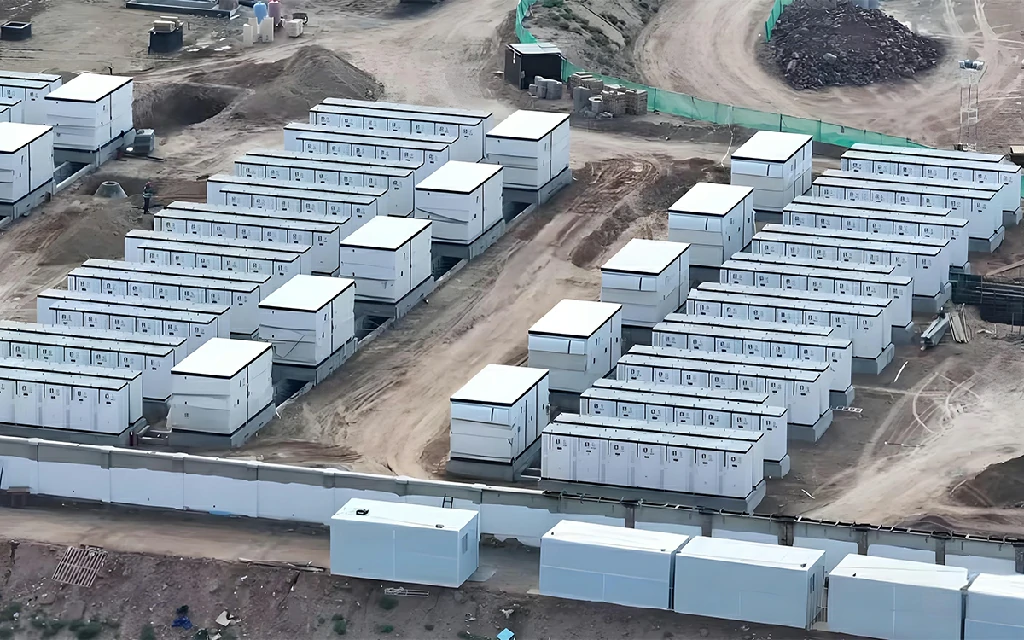
Project Introduction
The Moldova Energy Storage Project is a key energy initiative designed to address Moldova’s energy development needs.
Moldova’s energy supply has long relied on imports, facing various challenges such as energy security and high energy costs. Developing energy storage systems can significantly improve energy independence and power supply stability.
This project leverages advanced energy storage technologies to build an efficient and reliable storage system, integrating with local renewable energy generation and the traditional grid. It aims to optimize the power supply structure, meet the growing electricity demand in Moldova, and promote sustainable development in the local energy sector.
Project Details
Construction Period: From 2024 to 2025, with stages including planning and design, equipment procurement, civil construction, equipment installation and commissioning, and trial operation. Each stage is carefully managed to control progress and quality.
Installed Capacity: The total installed capacity reaches 240 MWh, effectively enhancing the grid’s peak shaving and valley filling capabilities, alleviating the electricity supply-demand imbalance.
Energy Storage Technology: Lithium iron phosphate (LiFePO4) batteries are used, with conversion efficiency over 90% and a cycle life of more than 6,000 charge and discharge cycles.
Applications
Grid Peak Shaving and Frequency Regulation: Excess electricity is stored during low-demand periods and released during peak demand, achieving peak shaving and valley filling, improving grid stability, and reducing power outages.
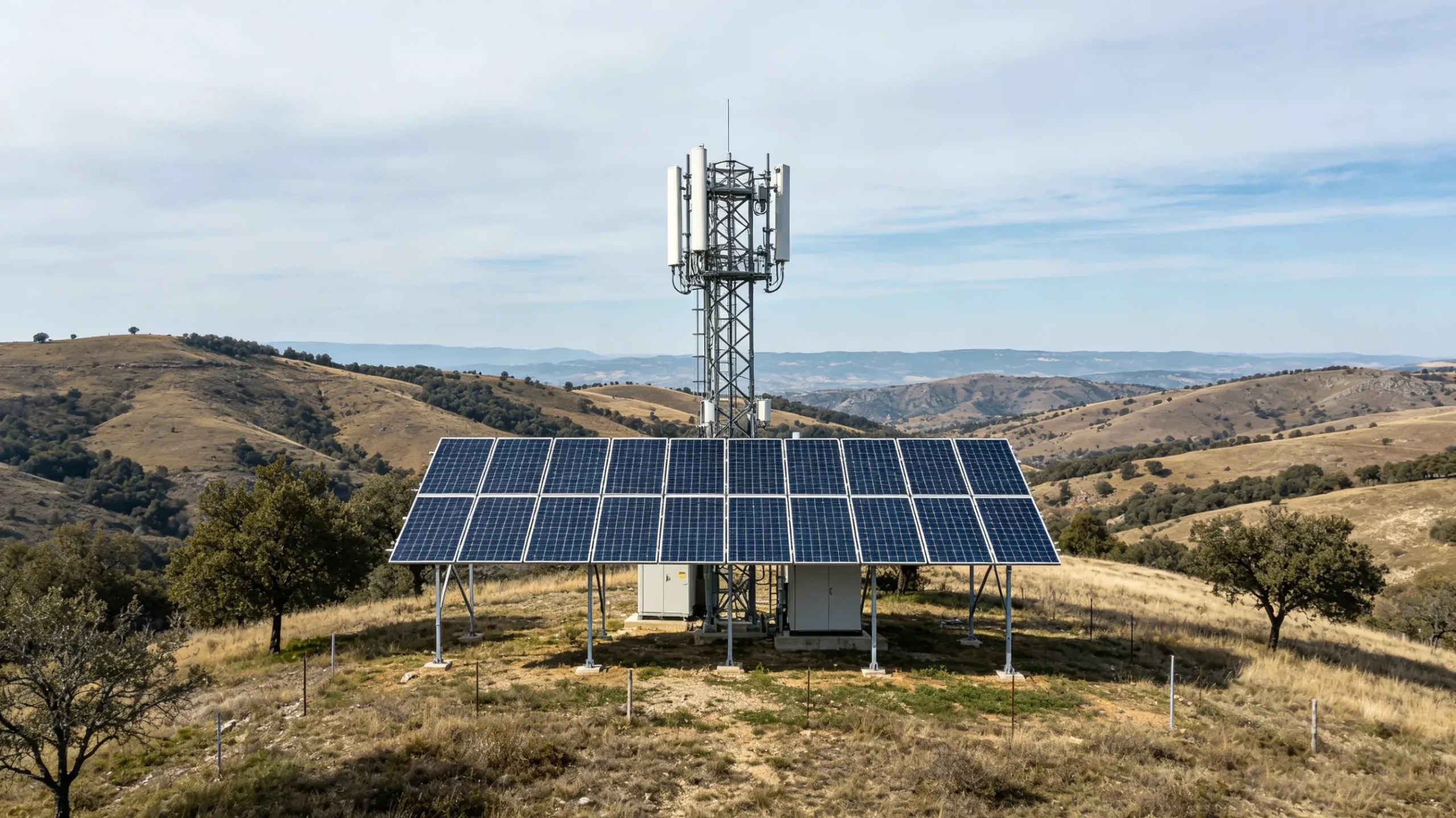
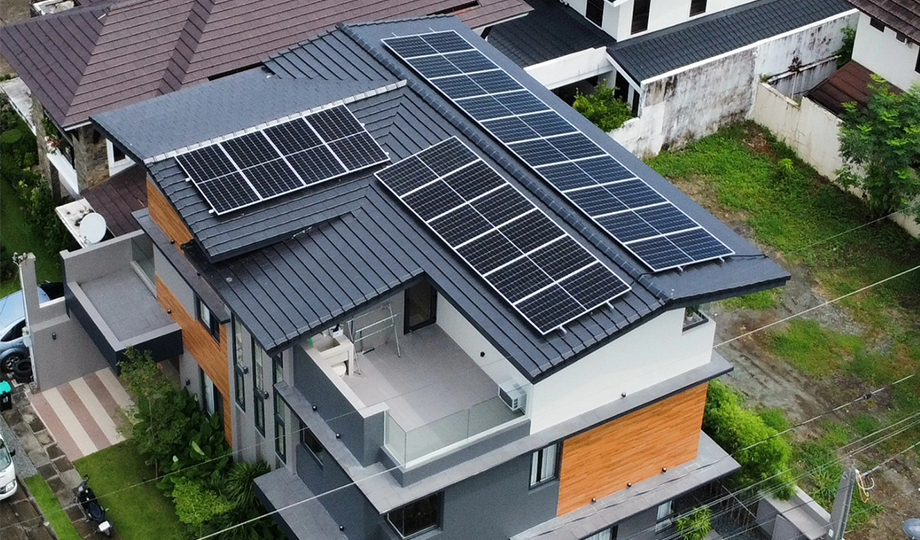
Renewable Energy Support: Working in conjunction with solar power plants and wind farms, it addresses the intermittency and volatility of renewable energy generation, improving its dispatchability and absorption capacity, and aiding the clean and low-carbon transformation of the local energy structure.
Emergency Backup Power: The system quickly activates during grid failures or power outages, providing temporary power support for critical loads such as hospitals, data centers, and transportation facilities, reducing the impact of power outages.
Main Equipment
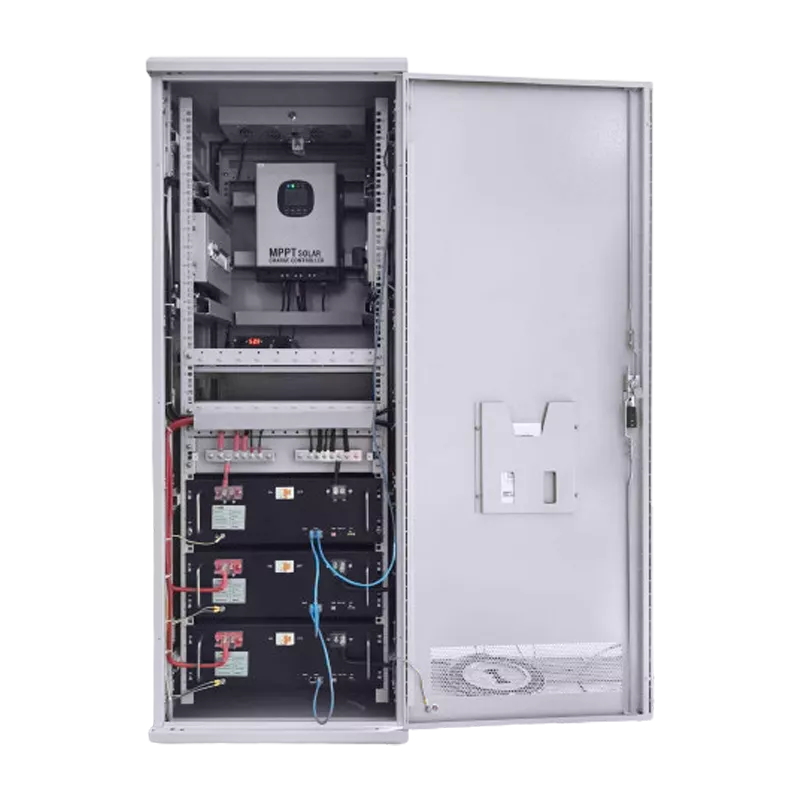
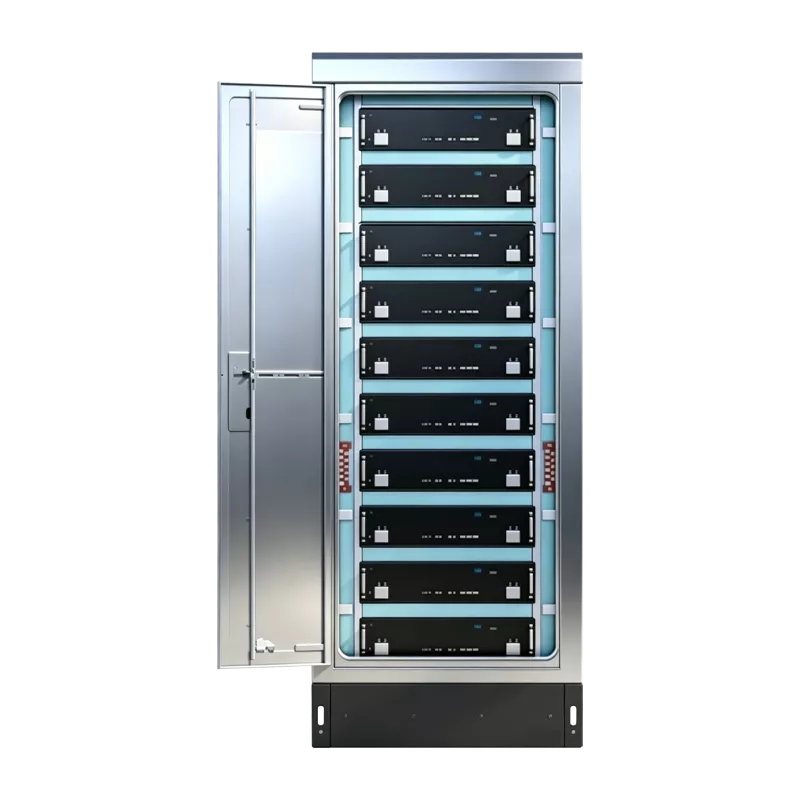
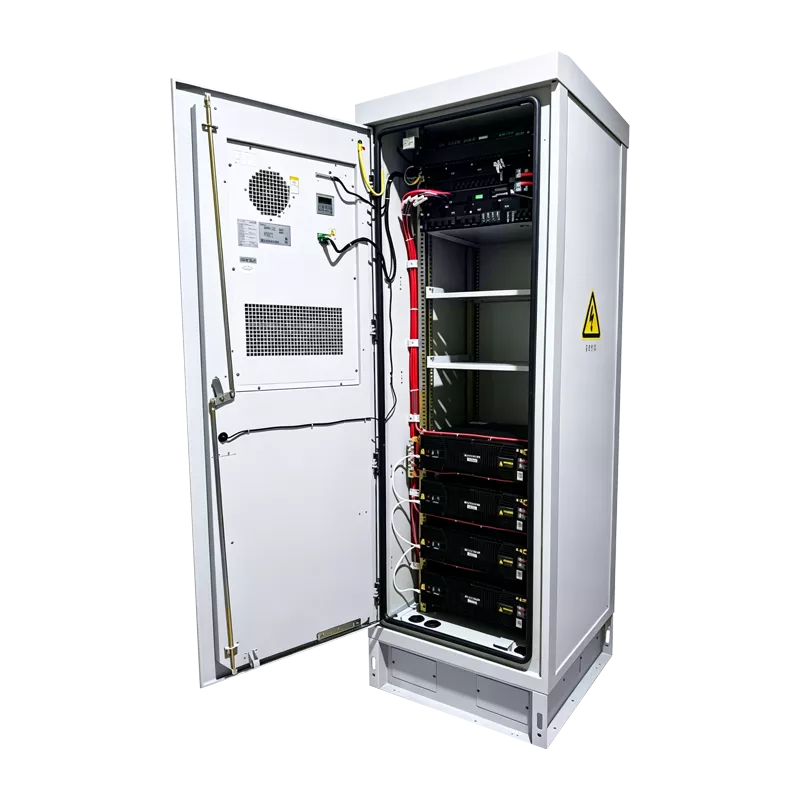
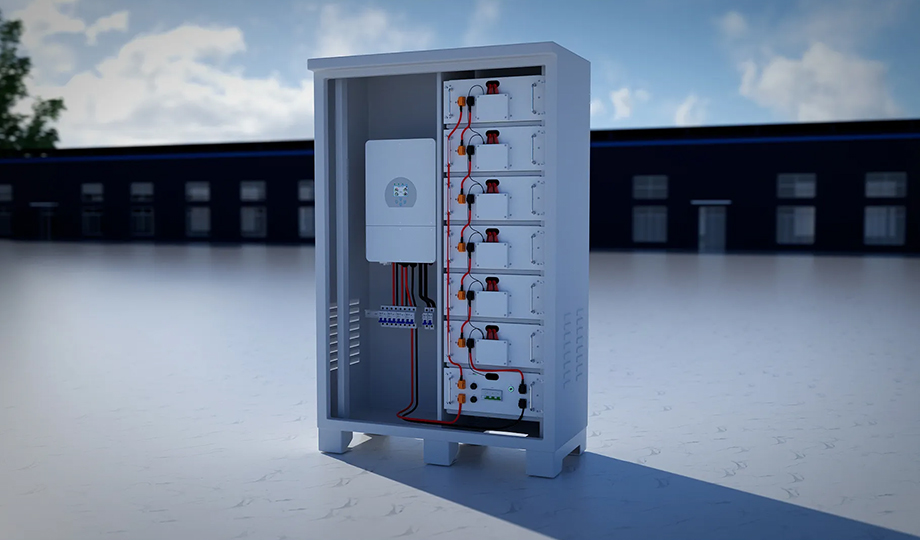
Energy Storage Batteries: Lithium iron phosphate batteries are used, offering high energy density, long cycle life, high charge-discharge efficiency, and low self-discharge rate, meeting the energy storage capacity requirements of the project.
Bidirectional Inverters: These inverters convert direct current (DC) into alternating current (AC) and vice versa, with conversion efficiency exceeding 98%.
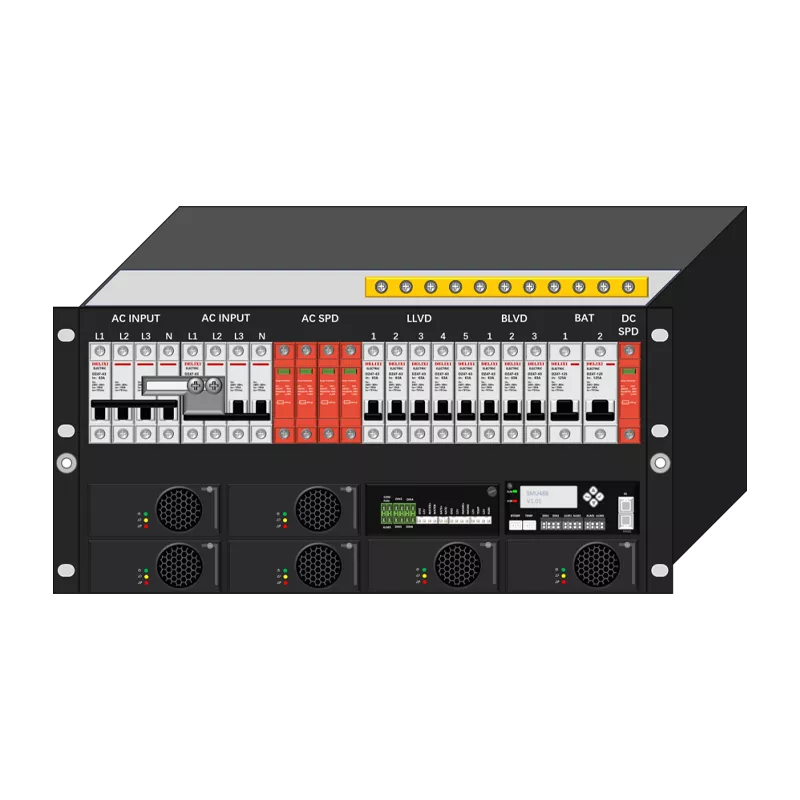
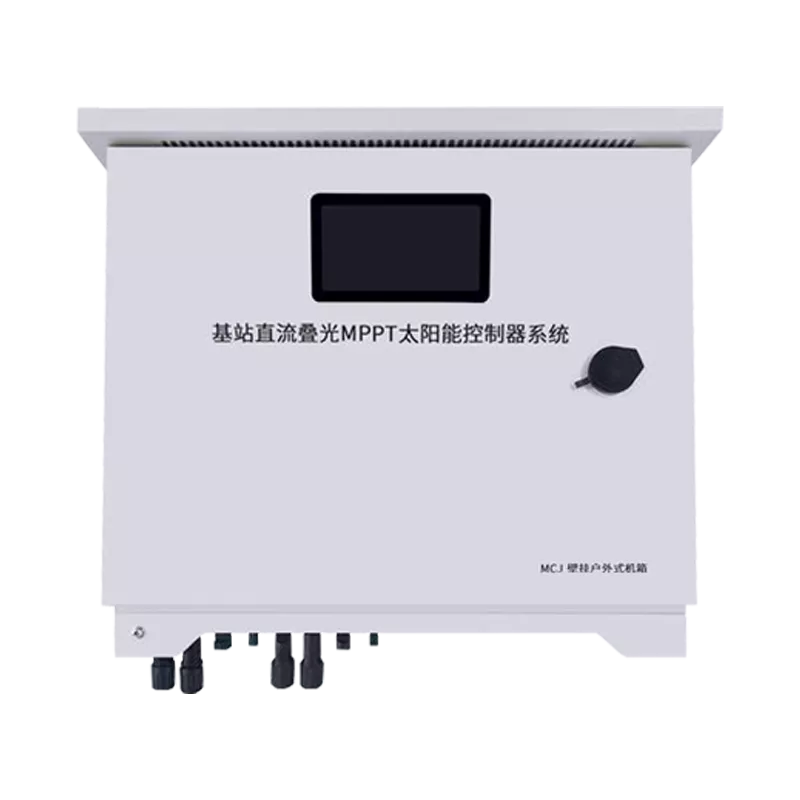
Energy Management System: This system integrates intelligent monitoring, control, and management functions, continuously monitoring operational parameters and intelligently scheduling and controlling operations based on grid demand and strategies, optimizing system performance, improving energy efficiency, and extending equipment lifespan.