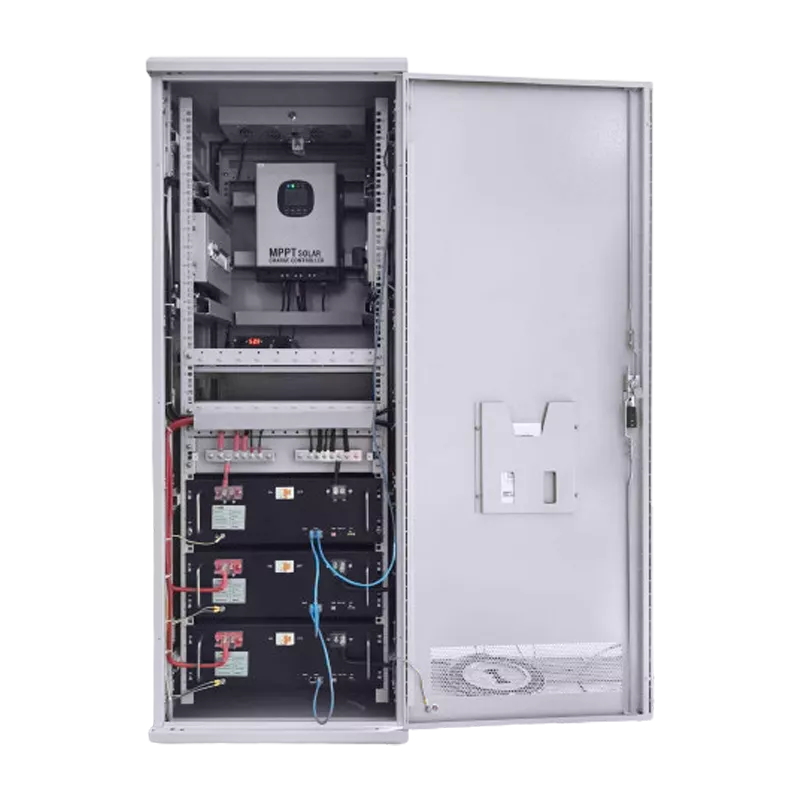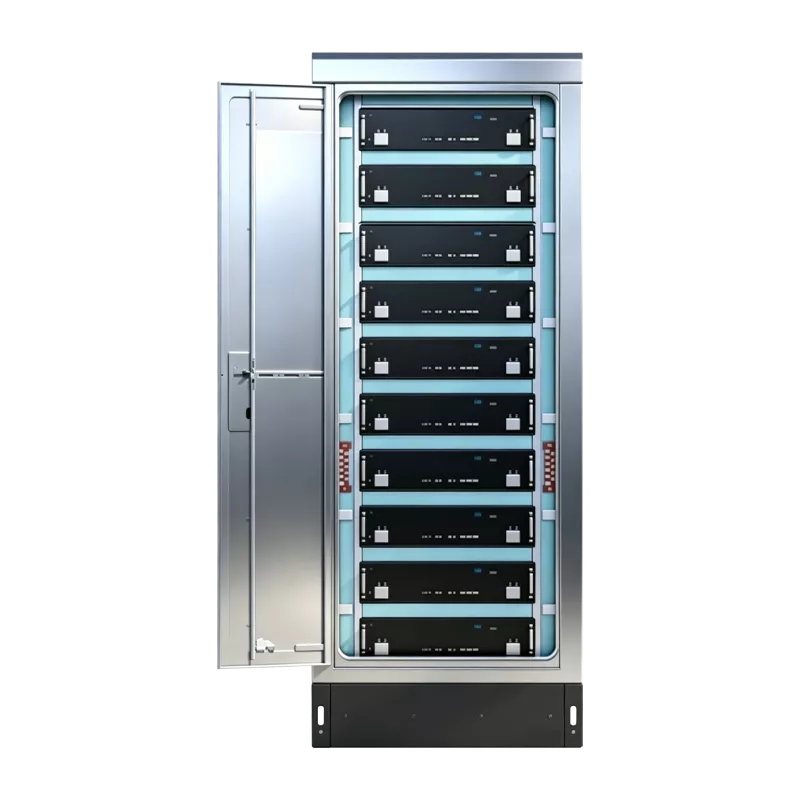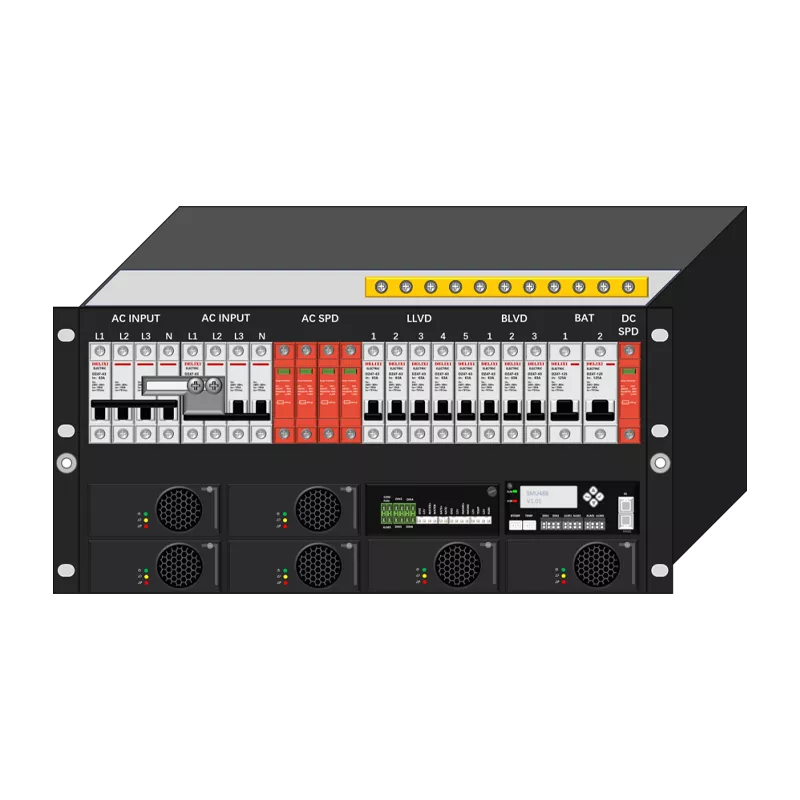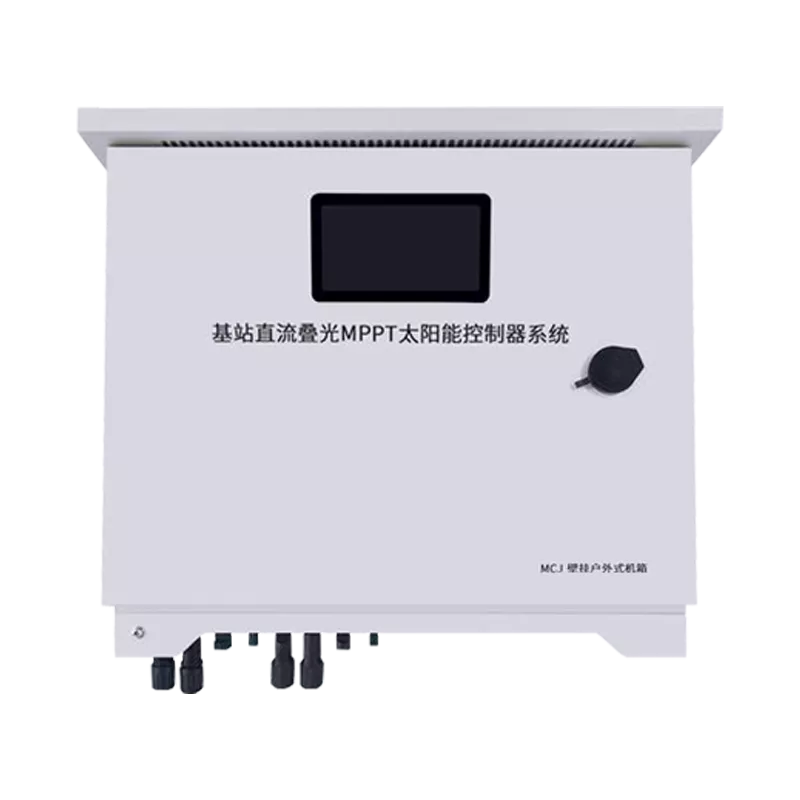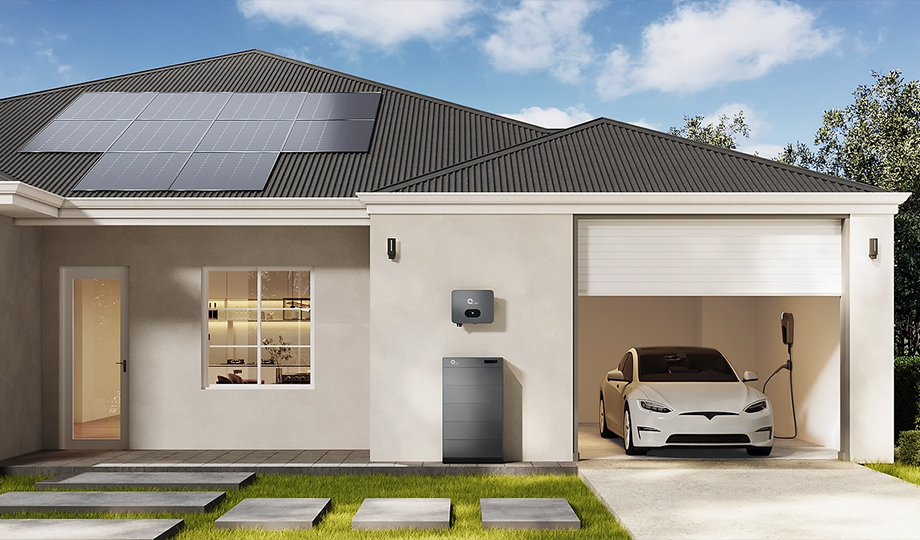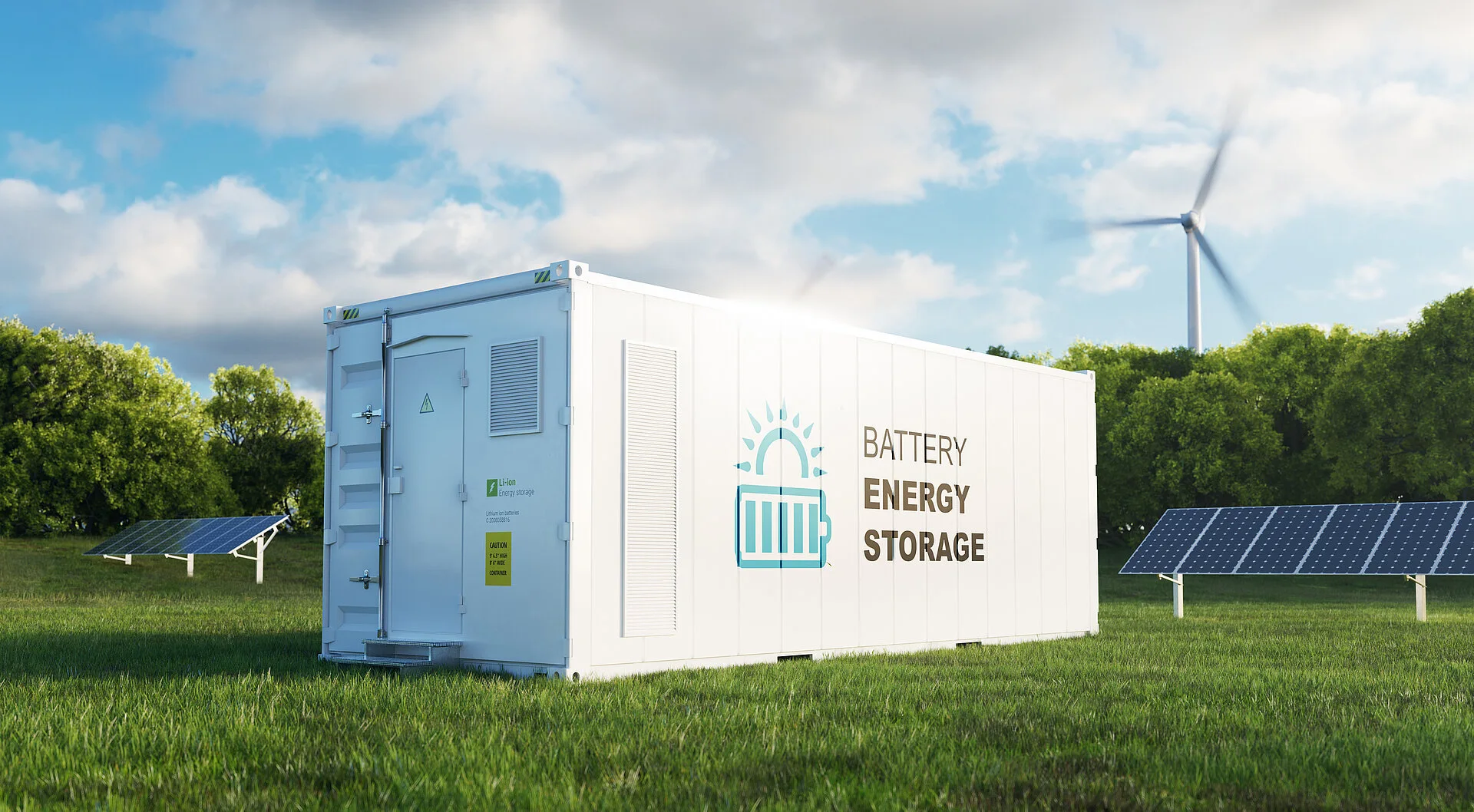


This project is located in Northern Europe, with a total system capacity of 100MWh, equipped with 280Ah lithium iron phosphate (LiFePO4) cells, and consists of 20/40-foot prefabricated containers to meet the megawatt-level power output requirements.
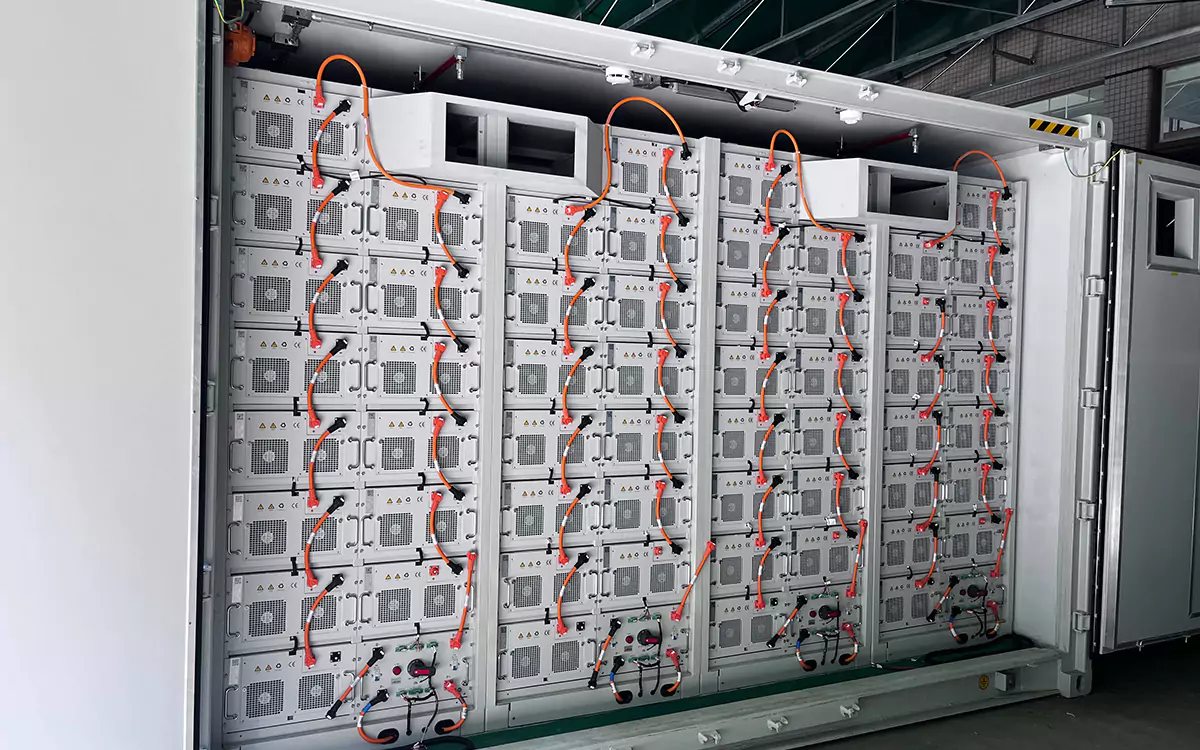
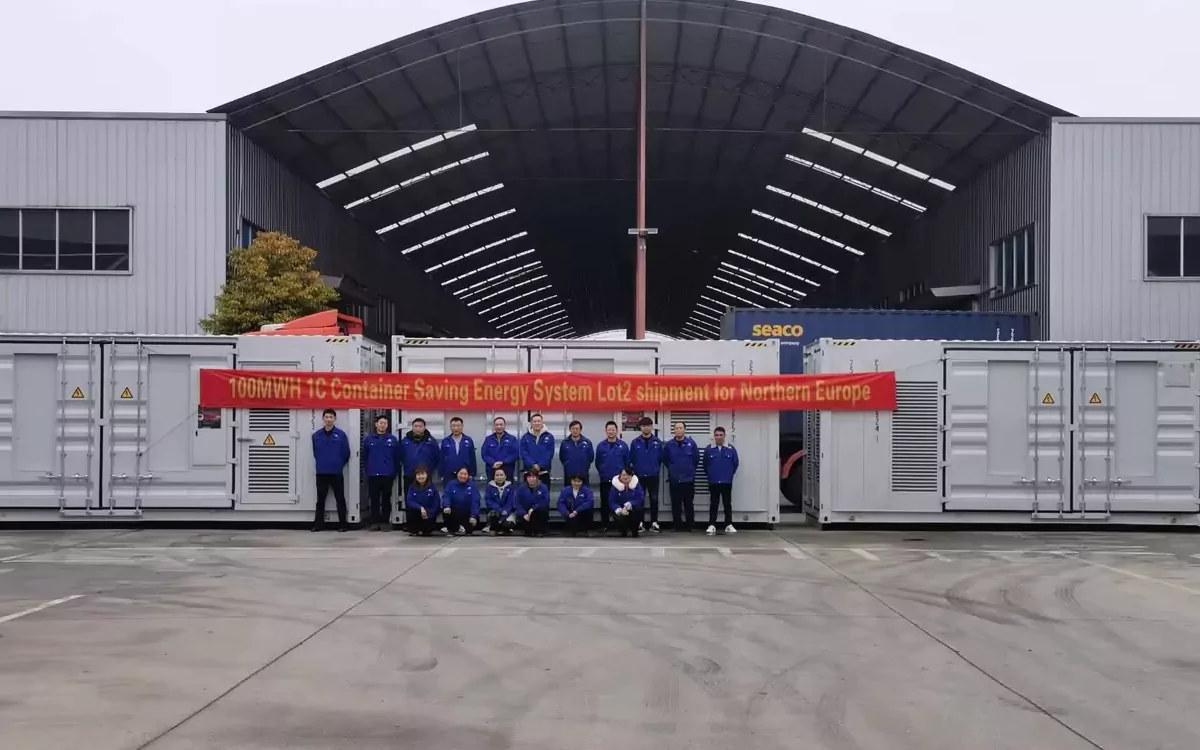
This project is located in Northern Europe and adopts a large-scale containerized energy storage solution to support utility-scale energy storage and grid stability. The total system capacity is 100MWh, equipped with 280Ah lithium iron phosphate (LiFePO4) cells, consisting of 20/40-foot prefabricated containers. It meets megawatt-level power output demands and integrates energy storage battery systems, energy management systems, monitoring systems, temperature control systems, and fire protection systems into a single energy storage device. The system can provide rapid grid balancing, load regulation, and backup power during grid load fluctuations or power outages.
Project Details
- System Capacity: 100MWh
- Configuration: Modular containerized units, 20/40-foot prefabricated containers
- Charge/Discharge Rate: 1C (capacity-based charge/discharge rate)
- Battery Type: Lithium Iron Phosphate (LiFePO4), 280Ah LiFePO4 cells
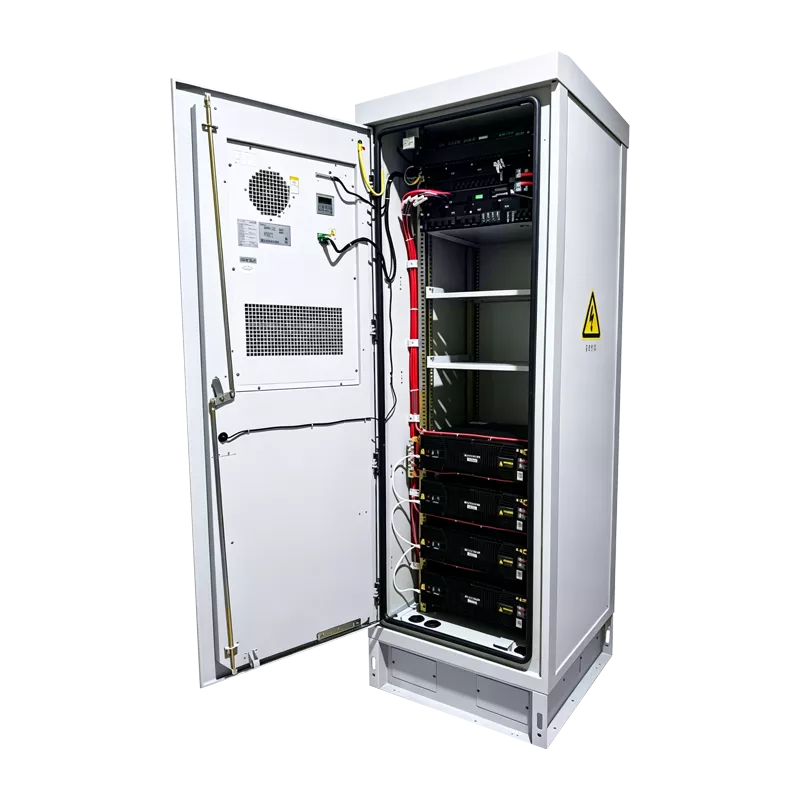
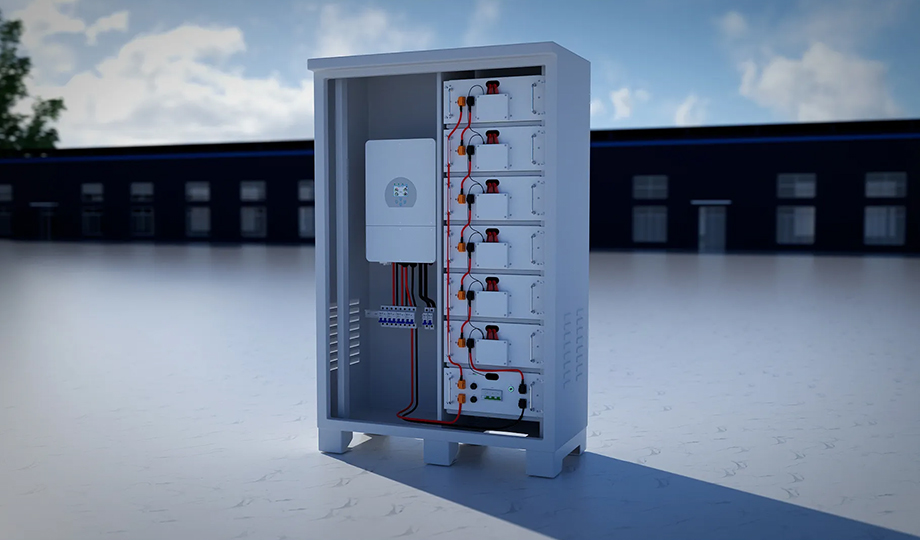
- System Design: Each container contains battery modules, inverters, and cooling systems, optimized for high performance and long-term stable operation.
- Battery Lifespan: Approximately 10 years, supporting thousands of charge/discharge cycles, with minimal battery degradation.
- Safety Features: Built-in thermal management system, fire suppression system, and advanced Battery Management System (BMS) to ensure safe and efficient operation.
Applications
- Grid Balancing: Supports the integration of renewable energy, stabilizes grid voltage and frequency, and ensures the smooth operation of the grid.
- Load Regulation and Peak Demand Management: Stores excess energy during low demand periods and releases it during high demand periods, optimizing energy distribution and reducing reliance on fossil fuel-based power.
- Backup Power: Provides reliable backup power during grid failures or outages, ensuring continuous power supply for critical infrastructure.