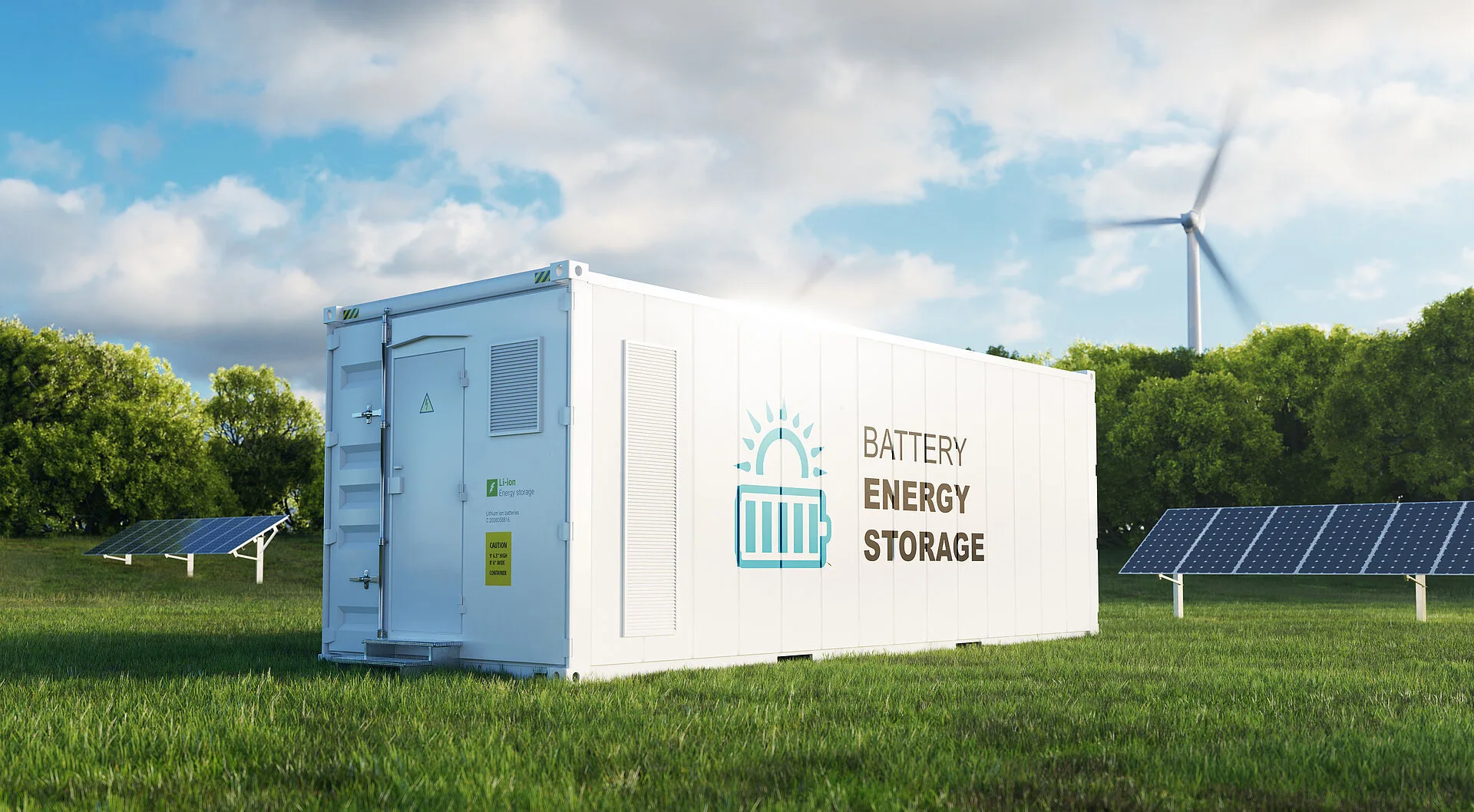
Guinea 1MW Photovoltaic Folding Container
Case introduction

CASE

Guinea 1MW Photovoltaic Folding Container Project

Guinea 1MW Photovoltaic Folding Container

Project Introduction
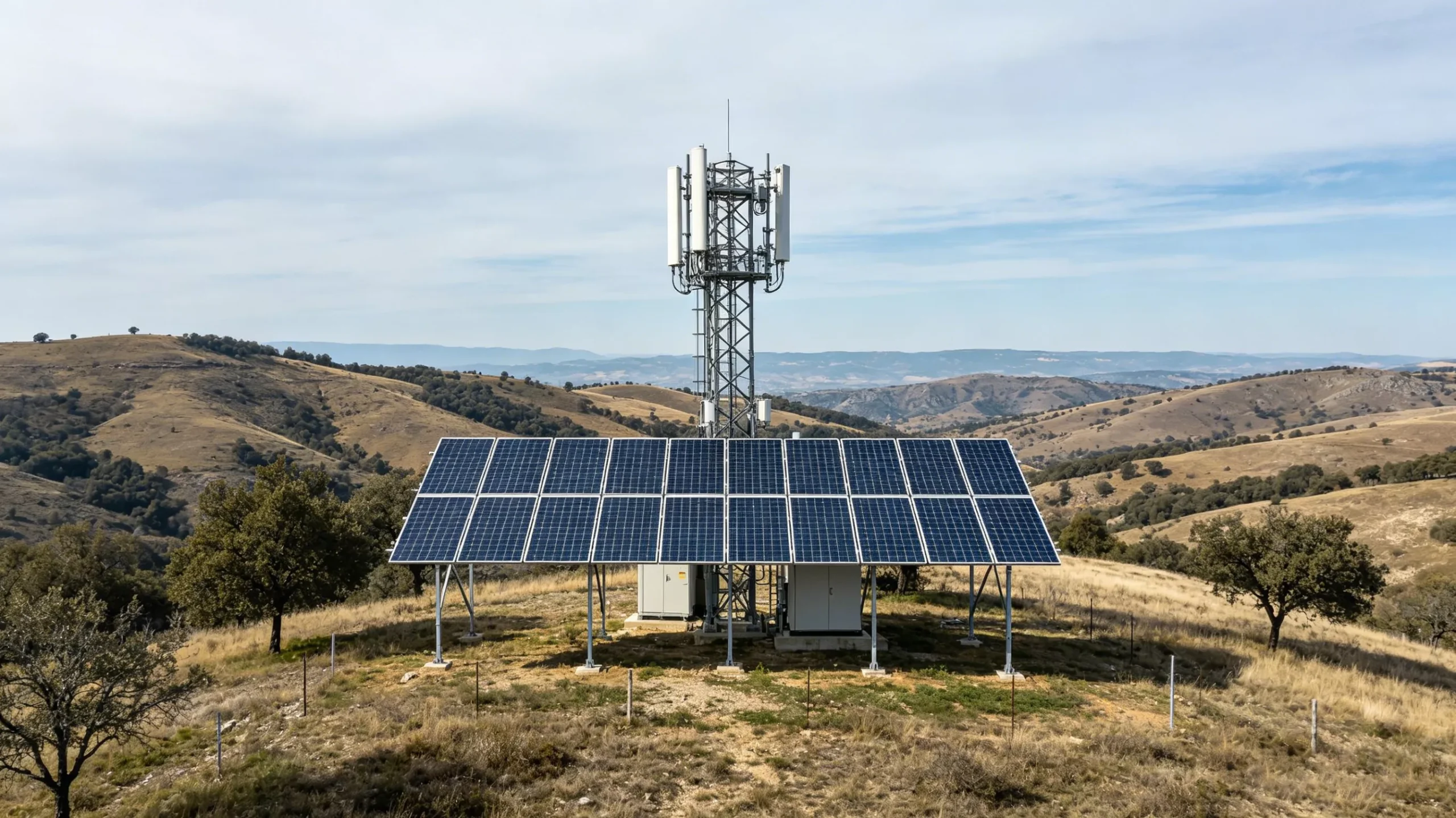
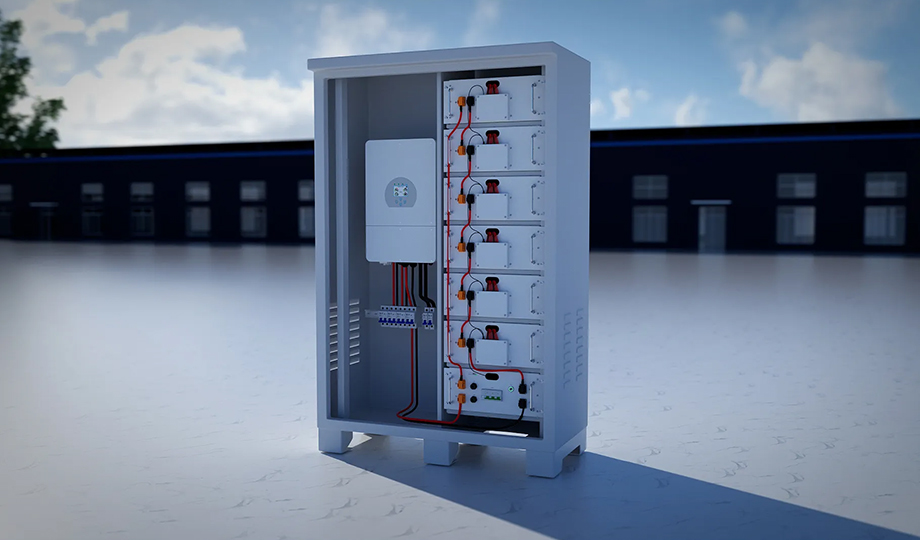
This project is located at the Guinea bauxite mine camp. With no access to grid power and limited construction space, 5 units of 200 kWp photovoltaic folding containers are flexibly deployed, paired with 10 units of 215 kWh energy storage cabinets. This setup maximizes the use of solar energy to ensure a reliable power supply for the camp.


Project Details

Application

This project plans to build an off-grid solar-storage system to meet the power supply needs of the Guinea bauxite mine camp.

Guinea has abundant solar resources, with an annual total horizontal radiation of 2010.1 kWh/m² in the project area. Monthly radiation varies little, and based on the solar resource richness level classification in meteorological industry standards, this area is classified as the most resource-rich (Class A), making it highly suitable for the construction of photovoltaic systems.

Installed Capacity

The project is equipped with 5 units of 206.4 kWp photovoltaic folding containers, totaling an installed capacity of 1032 kWp (i.e., 1 MWp).

Main Equipment

40-foot Container: 5 units of 200 kWp 40-foot high containers, with protection level C4.

Photovoltaic Inverters: 10 units of 100 kW off-grid photovoltaic inverters, each with built-in MPPT to ensure optimal solar power generation efficiency.

Energy Storage Cabinets: 10 units of 215 kWh energy storage cabinets.

Auxiliary Pulling Equipment: Integrated within the container to assist in the extension of the photovoltaic panels.

Project Advantages

Flexible Deployment, Space-Saving: The photovoltaic folding container offers modular deployment, flexibility in installation, and applicability to various scenarios. Due to limited space at the camp, it is not feasible to install conventional fixed-frame systems on the ground. The folding photovoltaic container addresses this limitation perfectly. By arranging 5 units of 200 kWp containers in two or three rows, it saves land space and adapts to the possible relocation needs of the mining area. It also allows for rapid deployment, reducing the construction cycle.

Reduced Maintenance and Operation Costs: Featuring a maintenance-free design, the integrated structure reduces mechanical parts (such as tracking systems without drive units), which lowers the failure rate by over 50%. The annual operation and maintenance cost is only 30%-50% of that of fixed-frame systems.

The system is easy to clean—components can be folded and cleaned as a whole without the need to climb onto the frame, saving 40%-60% of labor costs.

Scalability and Economic Benefits: Multiple containers can be connected in parallel, with power expansion from 10 kW to 1 MW, making it suitable for phased construction or projects with changing demand.

While the initial cost may be slightly higher, the generation gain (5%-15%) and land savings can shorten the payback period to 0.4-1 year.

Environmental Adaptability and Safety: The containers, when folded, can withstand extreme weather such as strong winds and sandstorms. For instance, during tropical storms in Guinea’s mining areas, the components can be quickly folded to prevent damage.

The containers are made of galvanized steel or composite materials, providing better corrosion resistance than traditional frames, and the lifespan is extended to over 30 years.



Project advantages

Flexible Deployment, Space-Saving
Photovoltaic Folding Containers offer modular deployment, flexible installation, and wide applicability. Due to the limited land area at the camp, it is not feasible to install conventional fixed-frame systems on the ground. The photovoltaic folding containers perfectly address this limitation. By arranging 5 units of 200 kWp containers in two or three rows, land space is saved, and it adapts to the potential relocation needs of the mining area. At the same time, it allows for rapid deployment, reducing the construction cycle.
Reduced Maintenance and Operation Costs
Featuring a maintenance-free design, the integrated structure reduces mechanical parts (such as tracking systems without drive units), which lowers the failure rate by over 50%. The annual operation and maintenance cost is only 30%-50% of that of fixed-frame systems. The system is easy to clean—components can be folded and cleaned as a whole without the need to climb onto the frame, saving 40%-60% of labor costs.
Scalability and Economic Benefits
Multiple containers can be connected in parallel, with power expansion from 10 kW to 1 MW, making it suitable for phased construction or projects with changing demand. Although the initial cost may be slightly higher, the generation gain (5%-15%) and land savings can shorten the payback period to 0.4-1 year.
Environmental Adaptability and Safety
When folded, the system can withstand extreme weather conditions such as strong winds and sandstorms. For example, during tropical storms in Guinea’s mining areas, the components can be quickly folded to avoid damage. The containers are made of galvanized steel or composite materials, providing better corrosion resistance than traditional frames, and their lifespan is extended to over 30 years.

Core products

High-Density Fiber Distribution Cabinet(For Nuclear Power Projects)

HJ‑GPX‑0014 High-Density Fiber Distribution Cabinet is a core infrastructure designed for the stringent operating conditions of nuclear power plants to realize highly reliable aggregation and management of optical signals. Featuring high-density integration, strong environmental resistance and high safety redundancy, it serves as a critical physical carrier for the stable operation of nuclear power instrument & control systems and data communication networks.

High-Density Fiber Distribution Cabinet

HJ‑GPX‑0013 High-Density Fiber Distribution Cabinet is a core optical distribution device designed for scenarios with centralized deployment of large-core-count optical fibers. It delivers several times the fiber capacity of conventional distribution equipment within limited cabinet space, greatly improving machine room space utilization. It is suitable for large-scale optical fiber networking applications such as new energy power systems and data centers.

Chameleon-Type Aesthetic Antenna Radome

For aesthetic concealment and protection of base station antennas

Wall-Mounted High-Frequency Switch-Mode Power System

Rectifier modules use advanced soft-switching and patented active power-factor correction for light weight, high efficiency, and low grid pollution. The monitoring unit advances battery management and online testing. Wall-mounted design with multiple mid/small capacities for flexible installation.

Outdoor Integrated Power Supply

Next-generation outdoor integrated power for 5G base stations: a distributed, highly integrated DC solution with modular assembly, light weight, strong heat dissipation. Integrates power board, AC/DC distribution, surge protection, monitoring, and wireless communications to supply DC 48 V for macro, small, and micro sites. Aluminum enclosure supports wall and pole mounting.

Solution

Professional Integrated "Turnkey" Service System

Please feel free to call our customer service hotline or leave us a message online. We will provide you with efficient and comprehensive service.
Contact Us
X

Send Us A Message

You can send us your product requirements or questions here

※
※
※
Submit Now