- Products
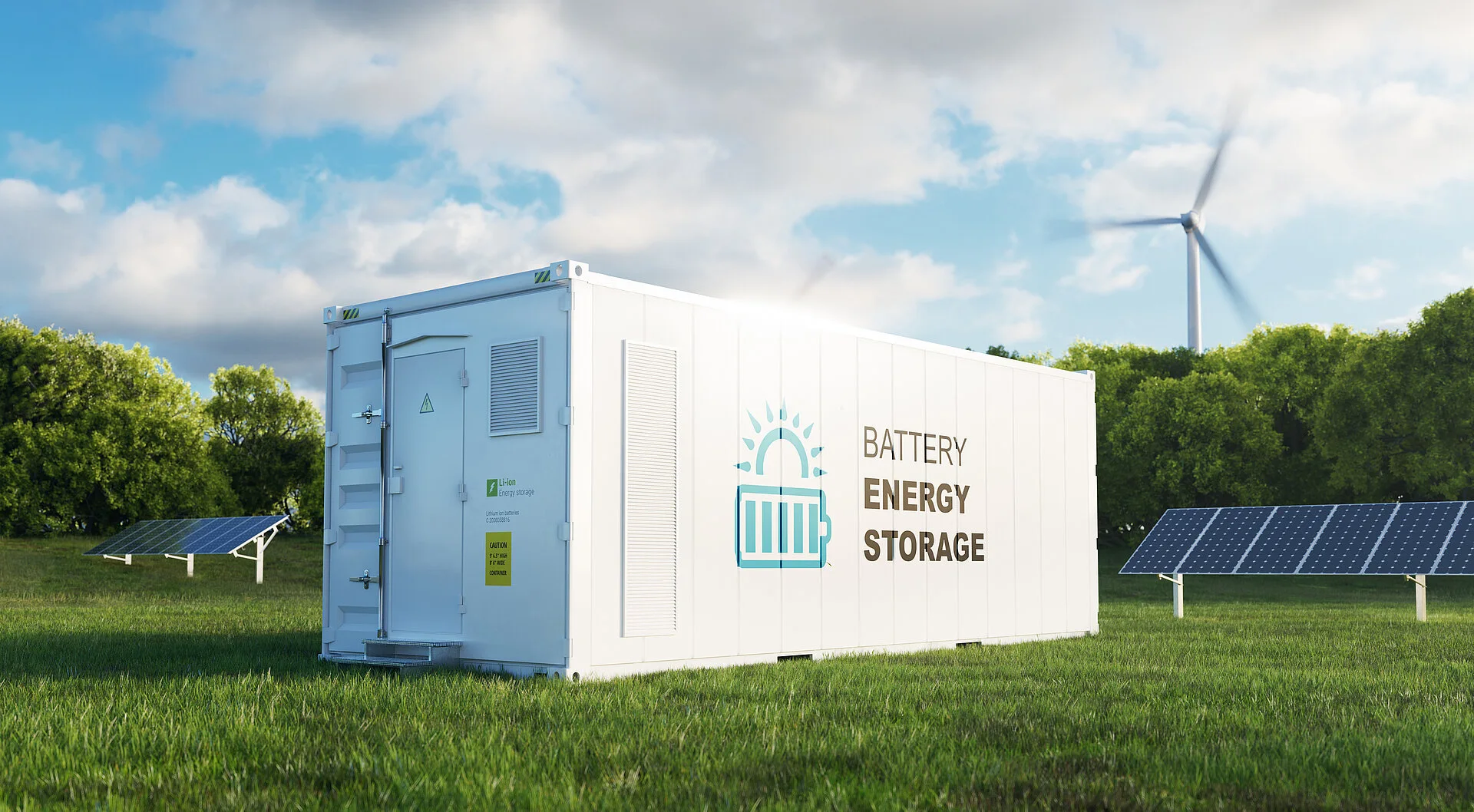
Highjoule provides a wide variety of energy storage products, such as industrial and commercial BESS, home energy storage systems, photovoltaic modules, and other solutions. As a top Chinese manufacturer, Highjoule delivers reliable, scalable, and affordable options for sustainable power management. Benefit from innovative and customizable solutions backed by global support.
Intermediate distribution framLine Side ODFEquipment Side ODFOptical assembly frame MDF72-core ODF distribution unit48-core ODF distribution unit24-core ODF distribution unitBook Type Terminal Box (Non-Metal)Outdoor optical cable terminal box (metal)Outdoor Fiber Optic Cable Terminal Box (Non-metallic)Rack Mount Terminal Box ProductRack-mounted pull-out terminal box
View More Mobile solar containerFolding Photovoltaic ContainerMobile Photovoltaic Energy Storage Integrated ContainerSite Energy Photovoltaic ContainerC&I Energy Storage Systems261kWh Outdoor Energy Storage CabinetHousehold Wind-Solar Energy Storage Integrated Cabinet7.01MWh Energy Storage Container System6.9MWh Energy Storage Container System6.25MWh Energy Storage Container SystemPhotovoltaic Module615W-640W TOPCon Bifacial high efficiency PV module710W-730W TOPCon Bifacial high efficiency PV module580~600W TOPCon Bifacial high efficiency PV module625~660W BC Solar PanelPhotovoltaic modules 650W-700WBase Station Energy Storage10.24kWh Floor-standing lithium-ion batterySite battery cabinetOutdoor Photovoltaic Energy CabinetIndoor Photovoltaic Energy CabinetPhotovoltaic Microstation Energy CabinetHome Energy Storage SystemsHigh-voltage residential energy storage battery14.34-16.08kWh Floor-standing lithium-ion battery9.98kWh Floor-standing lithium-ion battery10.24kWh Floor-standing lithium-ion battery5.12kWh Wall-mounted lithium-ion batteryPhotovoltaic Storage Inverter7KW High-Efficiency Single-Phase Grid-Tied Photovoltaic Inverter3KW-4.5KW High-Efficiency Single-Phase Grid-Tied Photovoltaic Inverter6.2KW Single-phase off-grid inverter9000W+9000W Single-phase off-grid inverter7.5KW-9KW American standard split-phase off-grid inverterSolar BatteryHigh-voltage residential energy storage battery14.34-16.08kWh Floor-standing lithium-ion battery9.98kWh Floor-standing lithium-ion battery10.24kWh Floor-standing lithium-ion battery5.12kWh Wall-mounted lithium-ion batteryEnergy Management SystemSolar-Storage-EV-Diesel Cloud EMSCabinet-level EMU (Energy Management Unit)Station-level EMS (Energy Management System)Communication site energy cabinet management systemEnergy Management System (EMS) Client AppCustomized ProductsExpandable container house with solar energyExpandable container house solarFolding Container HouseExpandable container house with solar energyFolding Photovoltaic ContainerTelecommunication
 - Solution
From urban businesses to remote off-grid sites, Highjoule delivers customizable energy storage that optimizes power usage, reduces costs, and ensures uninterrupted electricity supply across global markets.
Base Station Energy Storage SolutionIndustrial and Commercial Energy Storage SolutionMicrogrid SolutionResidential Energy Storage Solution
View More - Case
Highjoule's successful energy storage projects worldwide. See how Highjoule bess transform home power and industrial operations. Real-world case studies with proven results.
4 Sets of 46 kW Foldable PV Container Systems in RomaniaSudan 40-foot Foldable Photovoltaic Energy Storage SystemJamaica 10kW/15kWh Integrated Residential Energy Storage System ProjectUkraine 46kWp/50kWh Foldable Photovoltaic Container SystemCambodia 100kW/215kWh Photovoltaic-Storage System ProjectBulgaria 100kW/215kWh Photovoltaic Storage System Project365 Mobile Energy Storage Container Project
View MoreIndustrial Energy Storage4 Sets of 46 kW Foldable PV Container Systems in RomaniaSudan 40-foot Foldable Photovoltaic Energy Storage SystemUkraine 46kWp/50kWh Foldable Photovoltaic Container SystemCambodia 100kW/215kWh Photovoltaic-Storage System ProjectBulgaria 100kW/215kWh Photovoltaic Storage System ProjectResidential Energy Storage - Industrial Layout
- About Us
Established in 2002, HighJoule (HJ Group) is a leading and professional energy storage company in China, dedicated to providing efficient, intelligent, and green energy storage solutions for global customers.
View More
The company owns two well-known sub-brands: Huijue and LZY Energy.
Leveraging global expertise and local innovation, HighJoule (HJ Group) drives impactful energy transitions, enabling sustainable energy management for users worldwide through high-efficiency storage solutions.
HighJoule (HJ Group)'s China headquarters is located in Shanghai, combining world-class technological innovation with China's advanced manufacturing ecosystem. Whether for commercial and industrial applications, residential energy storage systems, or complex microgrid solutions, HighJoule (HJ Group)'s products have been successfully deployed across multiple sectors, helping clients enhance energy utilization efficiency and reduce energy costs. - News Center
Highjoule’s News Center provides the latest company updates, industry insights, and technological innovations, showcasing the enterprise’s cutting-edge technologies and brand influence.
New Developments in AIDC Green Power Direct Connection Under the 80% ‘Compute-Power Coordination’ ThresholdEnergy Storage | When Energy Storage Meets ‘OpenClaw’Smart Energy Management System for Telecom Site OPEX Reduction: The 2026 Complete GuideFrom Production to Consumption: The Chain Reaction of the Energy CrisisThe 139th Canton Fair Concludes Successfully; “Energy + Communications” Dual-Drive Strategy Receives High Acclaim from Global BuyersOff-Grid Telecom Solar System Deployment Time (2026): Cost & TimelineIsrael Strikes Iran — Is the Energy Market Turning Upside Down?
View MoreNews CenterNew Developments in AIDC Green Power Direct Connection Under the 80% ‘Compute-Power Coordination’ ThresholdEnergy Storage | When Energy Storage Meets ‘OpenClaw’Smart Energy Management System for Telecom Site OPEX Reduction: The 2026 Complete GuideFrom Production to Consumption: The Chain Reaction of the Energy CrisisThe 139th Canton Fair Concludes Successfully; “Energy + Communications” Dual-Drive Strategy Receives High Acclaim from Global BuyersCompany NewsThe 139th Canton Fair Concludes Successfully; “Energy + Communications” Dual-Drive Strategy Receives High Acclaim from Global BuyersHighjoule Group Preview of the 2026 Spring Canton Fair: “Dual-Drive Strategy of New Energy and Telecommunications”Base Station Solar Overlay SolutionHighjoule(HJ Group) Launches C&I Energy Storage Arbitrage Cloud Platform, Driving New Opportunities in European Energy Markets Through AI-Powered Full-Chain SolutionsHighjoule(HJ Group) Participates in Drafting National StandardIndustry UpdatesNew Developments in AIDC Green Power Direct Connection Under the 80% ‘Compute-Power Coordination’ ThresholdFrom Production to Consumption: The Chain Reaction of the Energy CrisisOff-Grid Telecom Solar System Deployment Time (2026): Cost & TimelineIsrael Strikes Iran — Is the Energy Market Turning Upside Down?Telecom Site Energy Retrofit Payback Period (2026): Real Costs, ROI, and Global Case StudiesEmployee ActivitiesTime Flies Like a Song · United in Companionship ‖ Highjoule’s November Staff Birthday CelebrationThe Eighth “Huijue Cup” Futsal Tournament Concludes SuccessfullyEarly Autumn Warmth · Celebrating Birthdays Together ‖ September Employee Birthday PartyTo celebrate the achievements together, the Foreign Trade Department of Shanghai Huijue Group held a grand celebration for the first half of 2025FAQsEnergy Storage | When Energy Storage Meets ‘OpenClaw’Smart Energy Management System for Telecom Site OPEX Reduction: The 2026 Complete GuideIn the AI Era, the Real Core Isn’t Low Carbon — It’s Reliable BatteriesHow Can Zero-Carbon Industrial Parks Achieve Energy Savings, Cost Reduction, and Emissions Reduction Goals?With the power system under strain, what key roles are energy storage technologies playing?Blog - Contact Us



 Highjoule
 2026-03-19